The Two Ataxia Genes Belgian Malinois Are Tested For
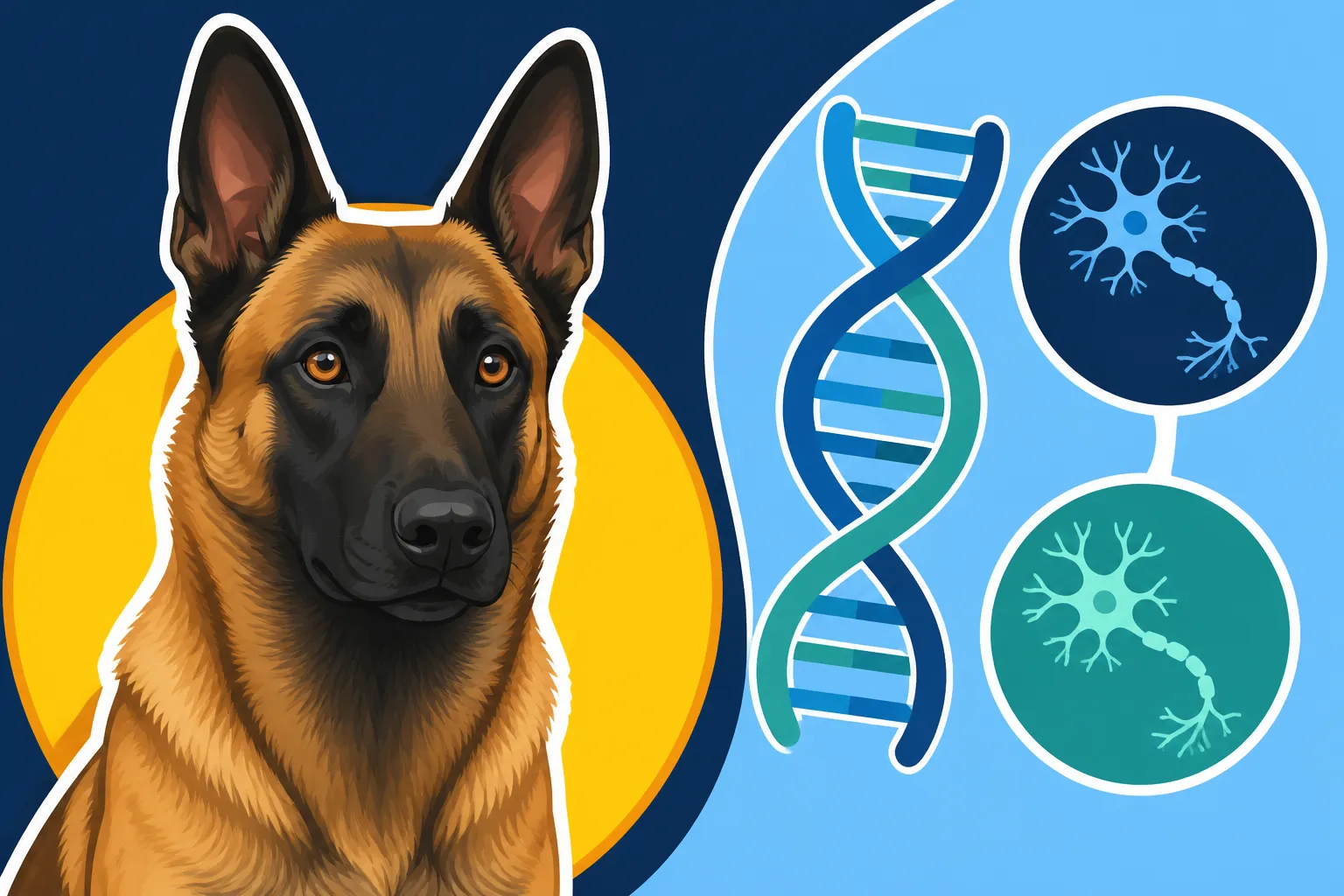
Watching your beloved Belgian Malinois, a breed known for its incredible athleticism and sharp mind, suddenly develop an unsteady gait or struggle with coordination is a heartbreaking and deeply concerning experience. It can leave you feeling helpless, confused, and desperate for answers. This comprehensive guide is dedicated to shedding light on a specific, inherited neurological condition known as ataxia in Belgian Malinois, focusing on the two primary genetic mutations—SDCA1 and SDCA2—that are commonly tested for, and arming you with the knowledge to understand, manage, and hopefully prevent this devastating disease.
Understanding Ataxia in Belgian Malinois
Ataxia, at its core, refers to a lack of muscle coordination, leading to unsteady movements. For an active, high-drive breed like the Belgian Malinois, whose very essence is defined by their precision, agility, and powerful movement, the onset of ataxia is particularly tragic. It's not just a minor inconvenience; it chips away at their ability to perform, to play, and ultimately, to live a full and vibrant life. Seeing a Malinois, a dog typically so sure-footed and graceful, suddenly stumble, wobble, or lose balance can be incredibly distressing for any owner. It's a cruel twist of fate when a genetic predisposition undermines the very traits we admire most in this remarkable breed.
What is Ataxia and How Does It Manifest?
Imagine trying to walk a straight line after spinning in circles, or attempting to perform complex tasks when your limbs simply won't obey your brain's commands. That's a simplified way to understand what ataxia feels like for a dog. In Belgian Malinois, ataxia manifests as a progressive neurological disorder primarily affecting the cerebellum, the part of the brain responsible for coordinating voluntary movements. This means their muscles aren't necessarily weak; rather, the signals telling them how and when to move correctly are disrupted.
The symptoms can vary widely in severity and onset, making diagnosis sometimes tricky. Early signs might be subtle, perhaps a slight clumsiness when turning quickly or an exaggerated high-stepping gait, often referred to as hypermetria, especially in the hind limbs. As the disease progresses, you might observe a wide-based stance, frequent tripping or falling, difficulty navigating stairs or uneven terrain, and even head tremors. Some dogs might develop a distinctive "goose-stepping" walk, where they lift their legs higher than necessary. The frustrating part is that these dogs are often mentally sharp and eager to engage, but their bodies simply betray them, creating a profound disconnect that can be heartbreaking to witness. Owners often report their dog's energy and spirit are still intact, but their physical capabilities are severely diminished.
The Genetic Basis of Ataxia in Malinois
Unlike ataxia caused by trauma, toxins, or other acquired conditions, the ataxia we're discussing in Belgian Malinois is genetic, meaning it's inherited from their parents. Specifically, two distinct genetic mutations have been identified and extensively studied: Spinocerebellar Degeneration and Ataxia 1 (SDCA1) and Spinocerebellar Degeneration and Ataxia 2 (SDCA2). Both are autosomal recessive conditions. This means a dog must inherit two copies of the mutated gene—one from each parent—to be "affected" and show symptoms of the disease.
A dog that inherits only one copy of the mutated gene (from one parent) is considered a "carrier." Carriers typically do not show any symptoms of the disease themselves, but they can pass the mutated gene on to their offspring. This silent carriage of the gene is what makes genetic testing so vital for responsible breeding programs, as seemingly healthy parents can produce affected puppies if both happen to be carriers. The complex dance of dominant and recessive genes can be difficult to grasp, but understanding this fundamental principle is crucial for making informed breeding and ownership decisions. Genetic research has been pivotal in identifying these specific markers, offering a pathway to prevention that simply didn't exist decades ago. If you're looking for more details on the genetic differences, you might want to read about How SDCA1 and SDCA2 Differ in a Malinois.
The Emotional Toll of an Ataxic Diagnosis
Receiving an ataxia diagnosis for your Belgian Malinois is not just a medical problem; it's an emotional earthquake. The initial shock, the grief for the future you envisioned with your agile companion, and the crushing weight of helplessness can be overwhelming. You might find yourself questioning everything you did, wondering if you missed early signs or if there was something you could have done differently. It's important to remember that this is a genetic condition, a hand dealt by nature, and not a reflection of your care or efforts.
Beyond the initial emotional impact, living with an ataxic dog brings daily challenges and profound sadness. You watch their frustration as their body fails them, their confusion when they can't perform simple tasks, and their eventual loss of independence. The joy of activities you once shared—whether it was competitive bite work, agility, or simply a spirited hike—is slowly eroded, replaced by the constant need for supervision and physical assistance. This constant care can lead to compassion fatigue, financial strain, and feelings of isolation. Owners often experience a unique kind of grief, mourning the loss of the dog they knew while their physical presence is still right there beside them. It's a journey that demands immense resilience, patience, and a deep well of unconditional love.
SDCA1 and Its Impact on Malinois
Spinocerebellar Degeneration and Ataxia 1 (SDCA1) is one of the two primary forms of inherited ataxia identified in Belgian Malinois. This particular variant has a notorious reputation among breeders and owners because of its typically early onset and often rapidly progressive nature, making it especially devastating to affected puppies and their families.
The Specifics of SDCA1 and Its Progression
SDCA1 is caused by a mutation in the KCNJ10 gene, which plays a critical role in the function of potassium channels in the brain, particularly in the cerebellum. When this gene is mutated, these channels don't work correctly, disrupting the electrical signals essential for coordinated movement. The resulting neurodegeneration specifically targets the Purkinje cells within the cerebellum, which are crucial for refining motor commands. Without these cells functioning properly, the brain struggles to send clear, coherent instructions to the muscles.
What makes SDCA1 so heart-wrenching is its typical onset. Symptoms usually begin to appear in Malinois puppies as young as six weeks to six months of age. You might first notice a subtle lack of coordination, perhaps the puppy tripping over its own feet more often than its littermates, or an awkwardness in their gait that you initially dismiss as puppy clumsiness. However, as weeks pass, these signs become more pronounced and undeniable. The disease is generally progressive, meaning the symptoms worsen over time, leading to significant mobility impairment. This early onset means that affected puppies often don't live to adulthood or face a severely compromised quality of life very early on. This mutation is often linked to The Potassium Channel Gene Behind Malinois Ataxia.
Identifying SDCA1 Symptoms in Young Malinois
Spotting The First Signs of Ataxia in a Malinois Puppy can be challenging, especially for inexperienced owners, because puppies are naturally a bit clumsy. However, with SDCA1, the signs are often more persistent and atypical for normal puppy development. Keep a keen eye out for any of the following during those crucial early months:
- Hindlimb Incoordination: This is often the first and most noticeable symptom. The puppy might drag its hind paws, cross its legs, or struggle with balance when standing or walking. Their hindquarters might sway excessively.
- Hypermetria: An exaggerated, high-stepping gait, particularly with the hind legs. It looks like the puppy is overshooting its steps.
- Difficulty with Stairs or Uneven Terrain: While all puppies might need practice, an SDCA1 affected puppy will show marked difficulty, stumbling frequently, losing balance, or refusing to try.
- Wide-Based Stance: When standing, the puppy might splay its legs out wide to maintain balance, resembling someone trying to brace themselves on a rocking boat.
- Head Tremors: Less common but can be present, especially when the puppy is focused or stressed.
- Frequent Falls: As the disease progresses, even simple movements can lead to a tumble.
It's crucial to differentiate these neurological signs from orthopedic issues or simple clumsiness. If you suspect anything, a veterinary neurological examination is essential. Early recognition, while painful, is vital for understanding what you're dealing with and making informed decisions about the puppy's future.
Managing Life with an SDCA1 Positive Malinois
There is currently no cure for SDCA1, so management focuses on supportive care and enhancing the dog's quality of life. This can be an incredibly challenging road, both emotionally and practically. The rapidly progressive nature often means difficult decisions must be made sooner rather than later to prevent prolonged suffering.
For puppies diagnosed with SDCA1, the prognosis is often grim, and many do not survive past their first year due to severe neurological decline. However, for those with a slower progression or milder symptoms, management strategies might include:
- Environmental Modifications: Creating a safe, non-slip environment is paramount. Remove obstacles, provide ramps instead of stairs, and use rugs or non-slip mats on slick floors.
- Assisted Mobility: As coordination worsens, you might need to use slings, harnesses, or even wheelchairs to help your Malinois move around.
- Physical Therapy: Gentle exercises, hydrotherapy, or massage can help maintain muscle mass and range of motion, though they won't halt the neurological decline.
- Nutritional Support: A balanced diet and supplements focused on neurological health (e.g., Omega-3 fatty acids, antioxidants) might offer some benefit, but direct evidence for halting SDCA1 progression is limited.
- Pain Management: While ataxia itself isn't typically painful, secondary issues from falls or abnormal gait can cause discomfort that needs to be addressed.
- Emotional Support: For both you and your dog. Keep them engaged mentally with puzzle toys and gentle interaction, as their minds often remain sharp even as their bodies fail.
The reality of living with an SDCA1 Malinois is often a bittersweet experience, filled with moments of fierce love intertwined with profound sadness as you watch their decline. It truly asks for immense dedication and a strong support system.
Diving Deep into SDCA2
While SDCA1 is recognized for its early onset, Spinocerebellar Degeneration and Ataxia 2 (SDCA2) presents a different, yet equally challenging, picture for Belgian Malinois owners. This form of ataxia typically manifests later in life, often catching owners by surprise when their seemingly healthy adult dog begins to show subtle, then increasingly obvious, signs of neurological decline.
Distinguishing SDCA2 from SDCA1
The fundamental difference between SDCA1 and SDCA2 lies primarily in their genetic cause and age of onset. While both are autosomal recessive conditions leading to cerebellar ataxia, they are caused by mutations in different genes. SDCA1, as discussed, is linked to the KCNJ10 gene and typically appears in puppies. SDCA2, on the other hand, is associated with a mutation in the ATP8B2 gene. This gene is involved in regulating phospholipid transport, particularly important in maintaining the integrity and function of nerve cells, including those in the cerebellum. A defect here leads to a gradual degeneration of cerebellar neurons over time.
Because they are caused by distinct genetic mutations, a dog can be a carrier or affected by one type of ataxia and be completely clear of the other. It is not uncommon for a Malinois to be tested for both mutations simultaneously to get a complete picture. Understanding that these are separate conditions is crucial for breeders, as clearing a dog of SDCA1 does not mean it is also clear of SDCA2. The clinical signs themselves can be quite similar—incoordination, unsteadiness, hypermetria—but the age at which they first emerge is the most telling differentiator.
Recognizing the Later Onset of SDCA2
The insidious nature of SDCA2 is that it often begins to show symptoms in adult Malinois, typically between 1 to 5 years of age, though some cases might appear slightly earlier or later. This means you could have spent years enjoying your dog's prime, watching them excel in training, sport, or simply as a beloved family companion, only for these puzzling symptoms to begin. This later onset can be particularly heartbreaking because it often strikes when your Malinois is at the peak of their physical and mental prowess.
Initial signs of SDCA2 are often subtle and can easily be mistaken for minor injuries, stiffness, or even just an "off" day. You might observe:
- Subtle Gait Changes: A slight clumsiness, particularly after exercise, or an inability to maintain perfect balance during quick turns. They might seem to drag their toes a bit.
- Intermittent Unsteadiness: Perhaps a brief stumble that resolves quickly, leading you to think they just misstepped. These episodes might become more frequent.
- Difficulty with Precision Tasks: A dog that once navigated an agility course flawlessly might start knocking bars, or a working dog might struggle with precise foot placement during tracking.
- Exaggerated Movements (Hypermetria): Similar to SDCA1, but developing gradually in an adult dog. This might be more noticeable in the hind limbs, where they lift their feet too high or place them down too hard.
- Head Tremors or Nystagmus (Involuntary Eye Movements): While less common, these can sometimes be present, especially as the condition progresses.
The frustrating aspect of SDCA2 is that because it develops gradually, owners often spend considerable time and money pursuing other diagnoses, such as orthopedic issues, before a neurological cause is considered. This highlights the importance of genetic testing, even for dogs that appear healthy, especially if considering them for breeding.
Support and Care for SDCA2 Affected Dogs
Similar to SDCA1, there is currently no cure for SDCA2, and the condition is progressive. However, because of its later onset, affected dogs often have a longer period of relatively good health before symptoms become debilitating. Management focuses on slowing progression where possible, supportive care, and maintaining the best possible quality of life.
- Early Diagnosis is Key: Once symptoms are noted, prompt veterinary consultation, ideally with a neurologist, is essential. Genetic testing can confirm the diagnosis, ruling out other treatable conditions.
- Environmental Adaptations: As with SDCA1, making your home safe is paramount. Non-slip surfaces, ramps, and obstacle removal become increasingly important as coordination declines. Consider using baby gates to prevent access to stairs.
- Physical Rehabilitation: A structured program of physical therapy, including exercises to strengthen core muscles, improve balance, and maintain flexibility, can be incredibly beneficial. Hydrotherapy is often excellent as it reduces weight-bearing stress. Your vet might recommend a program that includes specific exercises to help your dog maintain muscle strength and proprioception for as long as possible.
- Nutritional Support and Supplements: While not a cure, a high-quality diet rich in antioxidants and neurological support supplements (e.g., Omega-3 fatty acids like EPA and DHA, B vitamins, CoQ10) may help support neuronal health. Consult your veterinarian for appropriate dosages and specific recommendations.
- Mobility Aids: When walking becomes too difficult, mobility carts (dog wheelchairs) can offer a fantastic way for your Malinois to remain active and engaged, preserving their spirit even if their legs can't keep up. Harnesses with handles are also invaluable for assisting with standing and walking.
- Mental Enrichment: Keeping their sharp Malinois minds busy is crucial. Puzzle toys, scent work, and gentle training exercises that don't rely on perfect physical coordination can help maintain their cognitive function and happiness.
Living with an SDCA2 affected Malinois means adapting and finding new ways to enjoy time together. It requires dedication, patience, and a commitment to ensuring their comfort and happiness as they navigate their changing physical capabilities. You'll celebrate small victories and learn to appreciate the resilience of their spirit, even as their body declines. Remember, organizations like Healthy Paws offer pet insurance plans that, if enrolled prior to diagnosis, can help alleviate some of the financial burden associated with long-term supportive care.
The Crucial Role of Genetic Testing
For any Belgian Malinois owner, and especially for breeders, understanding and utilizing genetic testing for SDCA1 and SDCA2 is not just recommended, it's absolutely crucial. It's the most powerful tool we have to prevent these debilitating diseases and ensure the health of future generations.
Why Testing is Non-Negotiable for Breeders
For responsible Belgian Malinois breeders, genetic testing for SDCA1 and SDCA2 should be a standard practice for every breeding animal, without exception. This isn't just about avoiding affected puppies; it's about ethical stewardship of the breed and maintaining its integrity. Breeding dogs without knowing their genetic status for these conditions is essentially gambling with the health and welfare of their offspring.
Here’s why it's non-negotiable:
- Preventing Affected Puppies: The primary reason is to avoid producing puppies that will suffer from ataxia. Since both conditions are recessive, two carrier parents, or a carrier and an affected parent, can produce affected puppies.
- Informing Breeding Decisions: Knowing a dog's status (clear, carrier, or affected) allows breeders to make informed pairing choices. A carrier dog can still be a valuable part of a breeding program if paired with a clear dog, ensuring no affected puppies are produced. This avoids inadvertently removing valuable genetics from the gene pool unnecessarily. For more on this, check out Breeding Two Ataxia Carrier Malinois.
- Maintaining Breed Health: Widespread testing helps to systematically reduce the prevalence of these undesirable genes in the breed over generations, leading to an overall healthier population of Malinois.
- Transparency and Buyer Confidence: Responsible breeders provide clear, verifiable genetic test results to prospective puppy buyers. This transparency builds trust and assures buyers they are acquiring a puppy from health-conscious parents, minimizing the risk of devastating genetic diseases.
- Avoiding Financial and Emotional Hardship: The costs—both financial and emotional—of raising an affected dog are immense. By testing, breeders help mitigate this burden for themselves and their puppy buyers.
Ignoring genetic testing for these known conditions is not only irresponsible but also detrimental to the breed and the well-being of individual dogs.
Deciphering Test Results and Carrier Status
Genetic test results typically categorize a dog into one of three statuses for each specific gene (SDCA1 and SDCA2):
- Clear (or Homozygous Normal): This means the dog has two normal copies of the gene and will not develop the disease, nor will it pass the mutated gene to its offspring. This is the ideal status.
- Carrier (or Heterozygous): This means the dog has one normal copy and one mutated copy of the gene. A carrier typically will not develop the disease themselves, as the single normal gene copy is usually sufficient for proper function. However, they can pass the mutated copy to approximately 50% of their offspring. This is where responsible breeding decisions become critical. If you're wondering Whether a Carrier Belgian Malinois Shows Signs, the answer is almost always no, which makes testing even more vital.
- Affected (or Homozygous Affected): This means the dog has two mutated copies of the gene (one from each parent). This dog will develop the disease and will pass one mutated copy to 100% of its offspring.
Understanding these terms is paramount. A "carrier" status does not mean the dog is unhealthy or will get sick; it simply means careful breeding choices are required to prevent affected puppies.
Understanding "Clear," "Carrier," and "Affected"
Let's break down the implications of these statuses with a simple Punnett Square, a basic genetic tool used to predict offspring genotypes.
Imagine we are looking at SDCA1 only. Let 'N' be the normal gene and 'A' be the ataxia gene.
| Parent 1 (Status) | Parent 2 (Status) | Possible Offspring Combinations | Percentage of Offspring | Outcome |
|---|---|---|---|---|
| Clear (NN) | Clear (NN) | NN, NN, NN, NN | 100% Clear | No affected or carrier offspring. Ideal. |
| Clear (NN) | Carrier (NA) | NN, NA, NN, NA | 50% Clear, 50% Carrier | No affected offspring. Responsible pairing. |
| Clear (NN) | Affected (AA) | NA, NA, NA, NA | 100% Carrier | No affected offspring. Less ideal, but functional. |
| Carrier (NA) | Carrier (NA) | NN, NA, NA, AA | 25% Clear, 50% Carrier, 25% Affected | High risk of affected offspring. To be avoided. |
| Carrier (NA) | Affected (AA) | NA, AA, NA, AA | 50% Carrier, 50% Affected | Very high risk of affected offspring. To be avoided. |
| Affected (AA) | Affected (AA) | AA, AA, AA, AA | 100% Affected | Guaranteed affected offspring. Unethical breeding. |
This table clearly illustrates why pairing two carriers is a huge risk, producing a 25% chance of affected puppies. The goal for responsible breeders is always to ensure that at least one parent is "Clear" of the specific ataxia gene when breeding. This guarantees that no affected puppies will be produced, even if the other parent is a carrier. This principle forms the cornerstone of ethical breeding practices for recessive genetic conditions. If you're considering a puppy, always ask your breeder for Asking a Breeder for Malinois Ataxia Results for both parents.
Breeding Responsibly to Avoid Ataxia
The responsibility for preventing inherited diseases like ataxia falls squarely on the shoulders of breeders. While genetic testing provides the tools, it's the ethical application of those tools that truly makes a difference in safeguarding the health of the Belgian Malinois breed.
Ethical Breeding Practices for Malinois
Ethical breeding is about much more than just producing puppies; it's about making conscious, informed decisions that prioritize the health, temperament, and welfare of every dog. When it comes to preventing ataxia in Belgian Malinois, these practices are paramount:
- Mandatory Genetic Testing: Every dog intended for breeding should be tested for both SDCA1 and SDCA2 before being bred. There are no excuses for skipping these tests in this day and age. Breeders should be able to provide verifiable results from reputable laboratories.
- Strategic Pairing: As the Punnett Square demonstrated, the most critical rule is never to breed two carriers together for the same gene. If a dog is a carrier for SDCA1, it must only be bred to a dog that is clear for SDCA1. The same applies to SDCA2. This way, even if the carrier parent passes on the mutated gene, the puppy will still receive a normal gene from the clear parent, making it, at worst, a carrier, but never affected.
- Transparency with Buyers: Reputable breeders openly share the genetic test results of both parent dogs with prospective puppy buyers. This transparency allows buyers to understand the genetic background of their potential puppy and confirms the breeder's commitment to health.
- Health Guarantees: Many ethical breeders offer health guarantees that cover inherited diseases. While not preventing the disease, it demonstrates a commitment to standing behind the health of their puppies.
- Informed Decisions about Carriers: Simply because a dog is a carrier doesn't mean it should be removed from a breeding program entirely. If a carrier dog possesses exceptional qualities in temperament, working ability, structure, and is clear of other genetic diseases, it can still contribute positively to the breed when bred responsibly to a clear mate. This careful management helps preserve genetic diversity while preventing disease. However, if a particular line produces a high number of carriers for multiple genes, a breeder might need to make harder decisions about continuing that line. It’s also wise to check Whether Both Malinois Parents Need DNA Testing for a complete picture.
These practices collectively form the backbone of responsible breeding, demonstrating a deep understanding and commitment to the future of the Belgian Malinois.
The Risks of Breeding Two Ataxia Carriers
Breeding two known carriers for the same ataxia gene is a gamble with devastating consequences, and it's a practice that ethical breeders unequivocally condemn. The 25% chance of producing affected puppies is not a risk worth taking, considering the severe suffering these dogs endure and the heartbreak inflicted upon their owners.
The risks extend beyond just the individual affected puppies:
- Emotional Trauma for Owners: The families who acquire an affected puppy face immense emotional distress, watching their beloved companion's health deteriorate, often from a very young age. This can lead to resentment towards the breeder and a loss of trust in the breeding community.
- Financial Burden: The cost of veterinary care, specialized equipment, and potentially euthanasia for an affected dog can be substantial. Even with pet insurance like Healthy Paws, there are still out-of-pocket expenses and the emotional toll remains.
- Damage to Breeder's Reputation: A breeder who knowingly or unknowingly produces affected puppies due to irresponsible pairings will quickly gain a negative reputation, eroding trust within the Malinois community and among prospective buyers.
- Propagation of the Gene: While not directly producing more affected dogs, continuing to breed two carriers together (if it were allowed) increases the overall frequency of the mutated gene in the population if affected puppies are allowed to remain in the gene pool through unethical means or if carrier offspring are irresponsibly bred.
- Ethical Compromise: It fundamentally goes against the principle of "do no harm" and the primary goal of improving the breed's health. It places convenience or a desire for a specific pairing above the welfare of future generations.
The decision to breed should always be made with the utmost consideration for the health outcomes, and breeding two carriers directly contradicts this principle.
Navigating the Complexities of Carrier-to-Clear Breedings
While breeding two carriers together is a definite no-go, strategically breeding a carrier dog to a clear dog is often a perfectly acceptable and, at times, beneficial practice, especially in breeds with limited genetic diversity or where the carrier possesses other outstanding qualities.
Here’s how to navigate these pairings responsibly:
- Understand the Outcome: When a carrier (NA) is bred to a clear (NN) dog, statistically, 50% of the offspring will be clear (NN) and 50% will be carriers (NA). Crucially, none will be affected (AA). This is the key to responsible management of carrier dogs.
- Preserving Valuable Genetics: If a carrier dog is an exceptional example of the breed—with excellent temperament, stellar working drive, superior conformation, and clear of other known health issues—breeding them to a clear mate allows their positive traits to be passed on, enriching the gene pool. Removing all carriers from breeding programs could inadvertently lead to a reduction in genetic diversity, potentially concentrating other undesirable genes or weakening the breed overall.
- Testing Offspring: All puppies from a carrier-to-clear breeding should ideally be tested themselves before being placed in breeding homes, or at least their carrier status should be disclosed. This allows future owners to make their own informed breeding decisions. For pet homes, carrier status is largely irrelevant as these dogs will not develop the disease.
- Transparency: Full disclosure to puppy buyers about the parentage and potential carrier status of the puppies is always required. Educate them on what "carrier" means and that the puppy will not be affected by the disease.
- Long-Term Strategy: Over generations, the goal is to gradually reduce the frequency of the ataxia genes in the population without causing a "bottleneck" effect in genetic diversity. This means selectively breeding carriers to clear dogs and favoring clear offspring for future breeding.
Navigating carrier-to-clear breedings requires knowledge, integrity, and a long-term vision for the health of the Belgian Malinois breed. It’s a nuanced approach that balances genetic health with the preservation of other essential breed characteristics.
Living with an Ataxia-Affected Malinois
When faced with an ataxia diagnosis, whether SDCA1 or SDCA2, the focus shifts from prevention to providing the best possible quality of life for your beloved Malinois. This journey is undoubtedly challenging, requiring significant adjustments, patience, and unwavering dedication.
Adapting Your Home Environment for Safety
An ataxic Malinois, due to its coordination challenges, lives in a world full of potential hazards. Adapting your home is not just about comfort; it's about crucial safety measures to prevent falls and injuries that could further compromise their health or cause them pain.
- Non-Slip Flooring is Paramount: Hardwood, tile, or laminate floors, which are generally easy for healthy dogs to navigate, become treacherous ice rinks for a dog with ataxia. Invest in large area rugs, carpet runners, or individual non-slip mats, especially in high-traffic areas and where your dog eats, drinks, or rests. Even non-slip socks or paw pads can help.
- Block Off Stairs and Risky Areas: Stairs are a major fall risk. Use sturdy baby gates to block access to staircases. Similarly, prevent access to areas with uneven surfaces, ledges, or furniture that they might attempt to jump on and fall from.
- Ramps for Accessibility: Instead of steps or jumps, consider installing ramps for accessing elevated areas like beds, couches, or even getting in and out of the car. Ensure the ramps have a non-slip surface and a gentle incline.
- Clear Clutter: Keep floors clear of tripping hazards like cords, toys, or small pieces of furniture. Give your Malinois a clear, open path to move around.
- Padding and Soft Surfaces: Consider padding sharp corners of furniture with child-safe bumpers. Provide comfortable, orthopedic beds in easily accessible, safe locations where they can rest without struggle.
- Easy Access to Food and Water: Ensure food and water bowls are raised to a comfortable height to prevent them from having to bend down excessively, which can be challenging for dogs with coordination issues. Non-tip bowls are also a good idea.
- Outdoor Safety: If your Malinois has yard access, check for uneven ground, holes, or steep inclines that could cause falls. Supervise them closely, especially on slippery grass after rain or icy patches in winter.
Every modification you make is an act of love, directly contributing to your Malinois's safety and reducing their daily struggles.
Supportive Care and Quality of Life
While there’s no cure for genetic ataxia, a proactive approach to supportive care can significantly enhance your Malinois's quality of life and potentially slow the progression of secondary issues. This is a team effort involving you, your veterinarian, and potentially specialists.
- Regular Veterinary Check-ups: Even with an ataxia diagnosis, regular vet visits are crucial to monitor their overall health, address any new symptoms, manage pain, and rule out other concurrent issues. Discuss supplements, medications, and any changes you observe.
- Physical Rehabilitation: This can be a game-changer. A certified canine rehabilitation therapist can design a program tailored to your Malinois's specific needs, including:
- Therapeutic Exercises: Gentle exercises to maintain muscle strength, improve balance, and enhance proprioception (awareness of body position).
- Hydrotherapy: Swimming or underwater treadmill therapy can provide a low-impact workout, strengthening muscles without the stress of weight-bearing on unstable joints.
- Massage and Stretching: To improve circulation, reduce muscle stiffness, and alleviate discomfort.
- Mobility Assistance: As ataxia progresses, your Malinois might need help. Investing in a good quality support harness with handles (front, rear, or full-body) can make a world of difference for assisting them with standing, walking, and going to the bathroom. For significant mobility loss, a custom-fitted dog wheelchair can restore independence and joy.
- Mental Enrichment: A Malinois's mind remains sharp even if their body is failing. Provide plenty of mental stimulation with puzzle toys, scent games, and short, positive training sessions that focus on cognitive engagement rather than physical prowess. This prevents boredom and frustration.
- Pain Management: While ataxia itself isn't typically painful, the abnormal gait and frequent falls can lead to secondary orthopedic issues, muscle strains, or arthritis. Work with your vet to identify and manage any pain using appropriate medications or therapies.
- Nutrition and Supplements: A high-quality, easily digestible diet is important. Discuss neurological support supplements with your vet, such as Omega-3 fatty acids, antioxidants (e.g., Vitamin E, C), and B vitamins, which may help support nerve health.
The goal is always to maximize comfort, function, and happiness, allowing your Malinois to enjoy their life for as long as possible. Pet insurance plans from providers like Healthy Paws can be invaluable in covering the ongoing costs of these specialized therapies and treatments, making comprehensive care more accessible. You might also find it helpful to look into Whether an Ataxic Malinois Puppy Can Improve to set realistic expectations for the journey ahead.
When to Make Difficult Decisions
This is perhaps the hardest part of owning a dog with a progressive, incurable condition like ataxia. There comes a point where even the most dedicated care can no longer maintain a reasonable quality of life, and difficult decisions about euthanasia must be considered. This decision is deeply personal and agonizing, and it's okay to feel overwhelmed by it.
- Assess Quality of Life Objectively: This can be challenging because of our deep love for our pets. Work with your veterinarian to assess key indicators. Consider your dog's "good days" versus "bad days." Are they still enjoying food? Are they able to relieve themselves without extreme difficulty? Are they still engaging with you and their environment, even if in limited ways? Are they in constant pain or experiencing severe frustration?
- Look for Persistent Decline: A steady, irreversible decline in mobility, increasing pain that can't be managed, loss of appetite, severe incontinence, or chronic infections despite best efforts are all signs that their quality of life is severely compromised.
- Consider Their Dignity: As their ataxia progresses, simple acts like standing, walking, or even eating can become a struggle. There's a point where continued life, despite our best intentions, becomes an indignity for them. We want to spare them that.
- Seek Support: Talk openly with your veterinarian, trusted friends, family, or even pet bereavement counselors. Share your concerns, express your fears, and allow yourself to grieve. This decision shouldn't be made in isolation.
- Focus on Them: Ultimately, this decision is about ending their suffering, not yours. It's the final, most selfless act of love you can give to a pet who has given you so much. Choosing to say goodbye when their quality of life is irreversibly poor is a profound act of compassion.
It's a conversation no one wants to have, but it's a reality that owners of dogs with progressive neurological conditions often face. Giving them a peaceful, pain-free passing is the ultimate kindness.
The Future of Ataxia Research and Prevention
While the challenges of ataxia in Belgian Malinois are significant, the good news is that scientific research is constantly advancing. The identification of SDCA1 and SDCA2 itself is a testament to dedicated research efforts, and this work continues, offering hope for better prevention and, perhaps one day, treatment.
Ongoing Scientific Efforts and New Discoveries
The journey of understanding and combating genetic diseases is a continuous one, fueled by dedicated researchers and funding from breed clubs and foundations. For Belgian Malinois ataxia, several avenues of scientific exploration are ongoing:
- Identifying Additional Genes: While SDCA1 and SDCA2 are the most commonly tested, there's always the possibility of other genetic mutations contributing to ataxia in Malinois or related breeds. Researchers are constantly looking for novel gene targets that might explain cases of ataxia that don't fit the known SDCA profiles. The potential for The Third Ataxia Gene Found in Malinois Lines is always something scientists are investigating.
- Phenotype-Genotype Correlation: Further research aims to understand the precise link between specific gene mutations and the varied clinical manifestations and rates of progression seen in individual dogs. Why do some affected dogs decline faster than others? Are there modifier genes at play?
- Developing New Therapies: The ultimate goal is to find effective treatments or even cures. This includes exploring gene therapies, where a functional copy of the gene could be introduced to replace the mutated one, or pharmacological interventions that could mitigate the neurological damage. These are complex and long-term endeavors, but the potential is enormous.
- Understanding Disease Mechanisms: Deepening our understanding of how the mutated genes cause cerebellar degeneration is crucial for developing targeted therapies. This involves studying the cellular and molecular pathways disrupted by the SDCA1 and SDCA2 mutations.
- Population Genetics Studies: Research into the prevalence of these genes in different Malinois populations around the world can inform international breeding strategies and help ensure genetic diversity is maintained while reducing disease incidence.
These scientific endeavors, often supported by grants and donations, offer a glimmer of hope that the future for Belgian Malinois might one day be free from the burden of ataxia.
Community Support and Resource Sharing
No owner or breeder should feel isolated when dealing with genetic health challenges. The Belgian Malinois community, including breed clubs, working dog organizations, and dedicated online forums, is a valuable source of support, information, and shared experiences.
- Breed Clubs and Health Committees: Reputable breed clubs, such as the American Belgian Malinois Club (ABMC), often have health committees dedicated to researching and addressing genetic health issues. They compile resources, promote testing, and can offer guidance on ethical breeding practices. They are often at the forefront of discussions about topics like Testing a Belgian Malinois for SDCA1 and SDCA2.
- Online Forums and Support Groups: Platforms like Facebook host numerous groups dedicated to Belgian Malinois health, specific genetic conditions, or living with special needs dogs. These communities can provide invaluable emotional support, practical advice, and a sense of camaraderie with others who truly understand your struggles.
- Reputable Breeders: Connect with experienced, ethical breeders who are transparent about health testing and committed to the breed's well-being. They can offer insights, mentor new breeders, and sometimes even connect you with resources.
- Veterinary Neurologists: Seek out specialists. A board-certified veterinary neurologist has expertise in diagnosing and managing complex neurological conditions and can offer the most up-to-date information on treatment options and prognosis.
- Rescue Organizations: For owners facing the heartbreaking decision of rehoming an affected dog (a rare occurrence if the original breeder is responsible), or for those looking to adopt a special needs Malinois, breed-specific rescues can provide support and guidance.
Sharing knowledge, experiences, and resources strengthens the entire community, allowing us to collectively work towards a healthier future for the Belgian Malinois.
The Hope for Broader Eradication
The ultimate long-term goal for genetic ataxia in Belgian Malinois is eradication, meaning eliminating the mutated genes from the breed's gene pool entirely. While this is a formidable challenge, it's not an impossible one, especially with widespread, responsible genetic testing.
- Widespread Testing and Selective Breeding: The most direct path to eradication is through consistent genetic testing of all breeding animals and the careful selection of breeding pairs. By consistently breeding carriers only to clear dogs, and preferentially selecting clear offspring for the next generation, the frequency of the mutated gene can be significantly reduced over time.
- International Cooperation: Since Belgian Malinois are a global breed, international cooperation among breeders, breed clubs, and geneticists is essential. Harmonized testing protocols and shared databases can accelerate progress.
- Public Education: Educating prospective puppy buyers about the importance of genetic testing and responsible breeding practices empowers them to choose puppies from health-conscious breeders, thereby driving demand for healthier lines.
- Avoiding "Panic Culling": It's important to stress that eradicating a gene does not mean indiscriminately removing all carriers from the breeding population. Such "panic culling" can severely limit genetic diversity, leading to other unforeseen health problems or the loss of valuable breed traits. Instead, it's about thoughtful, strategic breeding decisions.
- Long-Term Commitment: Eradication is not a quick fix; it's a multi-generational project that requires sustained commitment from the entire Belgian Malinois community. But with continued dedication to research, responsible breeding, and open communication, the vision of a future free from genetic ataxia for this incredible breed can become a reality.
The Financial Reality of Ataxia Care
Beyond the emotional toll, managing a Belgian Malinois with ataxia, especially a progressive form like SDCA1 or SDCA2, can present a significant financial burden. Understanding these costs upfront is crucial for planning and ensuring you can provide the best possible care for your dog without undue stress.
Veterinary Costs and Long-Term Management
The initial diagnosis and ongoing management of ataxia involve a range of veterinary expenses that can quickly add up.
- Diagnostic Testing:
- Genetic DNA Test: This is usually the first step to confirm SDCA1 or SDCA2, typically costing between $50-$200 per gene, depending on the lab.
- Neurological Exam: A comprehensive exam by a general vet or a specialist can range from $100-$500.
- Advanced Imaging (MRI/CT Scan): If other neurological conditions need to be ruled out, these can be very expensive, often $2,000-$5,000 or more, requiring anesthesia.
- Cerebrospinal Fluid (CSF) Analysis: Another diagnostic tool, potentially $500-$1,000.
- Ongoing Supportive Care:
- Medications: While there's no specific cure, medications for pain management, muscle relaxants, or anti-inflammatory drugs might be prescribed, ranging from $30-$150 per month.
- Supplements: Neurological support supplements (Omega-3s, B vitamins, antioxidants) can cost $20-$100 per month.
- Physical Rehabilitation: This is one of the most beneficial but also most costly aspects of long-term care. Individual sessions can be $50-$150 each, and a course of treatment might involve multiple sessions per week for months, accumulating to thousands of dollars annually.
- Mobility Aids: Investing in quality harnesses ($50-$200), ramps ($100-$500), or a custom wheelchair ($500-$2,000+) is a significant one-time or infrequent expense.
- Environmental Modifications: Non-slip rugs, dog booties, and other home adaptations can add up.
- Regular Check-ups: Ongoing vet visits to monitor progression and adjust care plans, typically $50-$150 per visit, several times a year.
Without careful financial planning, these costs can become overwhelming, adding another layer of stress to an already difficult situation.
Insurance Considerations for Genetic Conditions
Pet insurance can be a lifesaver for managing the costs associated with chronic conditions like ataxia, but it's crucial to understand how it works, especially regarding pre-existing conditions.
- Pre-Existing Conditions Exclusion: The most important rule to remember is that pet insurance providers, including popular options like Healthy Paws, will not cover conditions that were present or showed symptoms before your policy started or during a waiting period. This means if your Malinois already has ataxia symptoms or has been diagnosed, it's too late to get coverage for that specific condition.
- Enroll Early: The best strategy is to enroll your Belgian Malinois in a comprehensive pet insurance plan as early as possible, ideally as a puppy. This way, if ataxia or any other genetic condition develops later in life, it will be considered a new condition and covered by your policy (after any initial waiting periods).
- Coverage Levels: Look for policies that offer high reimbursement percentages (e.g., 80-90%) and a high annual limit (or unlimited) to ensure you're adequately covered for ongoing rehabilitation and diagnostic costs.
- Wellness Plans: While unlikely to cover ataxia treatment, some insurers offer optional wellness plans that can cover routine care, which can free up funds for ataxia-related expenses.
- Genetic Testing: Standard pet insurance typically does not cover routine genetic screening tests for breeding purposes. However, if symptoms appear and a genetic test is ordered by a vet as part of a diagnostic work-up, it might be covered, depending on the policy and whether other conditions are being ruled out.
While pet insurance is an excellent tool for mitigating financial risk, proactive genetic testing by breeders remains the first and best line of defense against ataxia. However, if you're like many Malinois owners who already have a dog, having insurance in place for future unforeseen health challenges is always a wise decision. You might even want to explore What pet insurance runs on a working Malinois for more detailed cost breakdowns.
Planning for the Unexpected
Even with the best preparation, life with an ataxia-affected Malinois is full of unexpected twists and turns. Financial planning for these contingencies is essential.
- Emergency Fund: It's always wise to have a dedicated emergency fund for your pet, especially one with special needs. This fund can cover sudden vet visits due to falls, new symptom onset, or other complications that aren't immediately covered by insurance or exceed your deductible.
- CareCredit or Veterinary Payment Plans: In urgent situations, financing options like CareCredit or payment plans offered by some veterinary clinics can provide a safety net. However, these often involve interest, so they should be considered carefully.
- Breed-Specific Rescue and Support Funds: Some Malinois breed rescues or health foundations may offer grants or assistance programs for owners of dogs with significant medical needs. Research these resources in your area.
- Budgeting for the Long Term: Understand that caring for an ataxic Malinois is a marathon, not a sprint. Integrate the expected monthly costs for medications, supplements, and therapies into your regular budget.
- Self-Care: Remember that your own well-being is part of the equation. Caring for a special needs dog is physically, emotionally, and financially draining. Don't be afraid to seek support for yourself.
The financial reality of ataxia care can be daunting, but with proactive planning, responsible breeding choices, and the right support systems in place, you can ensure your incredible Belgian Malinois receives the compassionate care they deserve.
Disclaimer
The information provided in this article is for general informational purposes only and does not constitute veterinary medical advice. Always consult with a qualified veterinarian or veterinary specialist for any health concerns or before making any decisions related to your pet's health and treatment. Genetic testing should be performed by reputable laboratories, and breeding decisions should be made in consultation with experienced breeders and veterinarians.