Ice and Salt on a Belgian Malinois’s Feet
Winter weather often brings a unique set of challenges for Belgian Malinois owners, particularly when it comes to keeping those incredibly active paws safe and sound. The joy of seeing your Malinois bound through fresh snow can quickly turn to worry when you realize the hidden dangers of ice accumulation and the harsh chemicals used for de-icing. This guide aims to help you navigate the cold season, offering practical advice and preventative measures to protect your Malinois's feet from the biting cold, sharp ice, and corrosive salts that are so common on sidewalks and roads.
The Hidden Dangers of Winter Walking for Malinois Paws
It’s easy to think of a Malinois as an indestructible machine, ready for any task, any weather. And while their drive is certainly robust, their paw pads, just like ours, are vulnerable to the elements. Winter conditions, especially in urban or suburban environments, present a cocktail of irritants that can lead to discomfort, pain, and even serious injury if not addressed proactively.
Understanding De-Icing Agents and Their Effects
When temperatures drop and ice threatens to make surfaces treacherous, de-icing agents become a common sight. These aren't just benign substances; they are chemicals designed to melt ice, and in doing so, they can be incredibly harsh on sensitive paw pads.
Most commonly, you'll encounter rock salt, which is typically sodium chloride. However, many commercial de-icers use other compounds like calcium chloride, magnesium chloride, or even urea. While they all serve the same purpose—lowering the freezing point of water to prevent ice formation—they achieve this through chemical reactions that can be highly corrosive to living tissue. Imagine walking barefoot on a surface covered in a chemical that’s actively trying to break down ice; that's what your Malinois's paws are up against. These chemicals draw moisture from the skin, leading to dryness, cracking, and even painful chemical burns. The real danger, beyond the immediate irritation, is ingestion. When your Malinois finishes a walk and instinctively licks their paws to clean them, they are ingesting these chemicals. This can lead to gastrointestinal upset, vomiting, diarrhea, and in severe cases with larger quantities or more toxic compounds, even more serious health issues. Always remember that what's good for melting ice is rarely good for your dog's internal system.
The Perils of Ice and Snow Accumulation
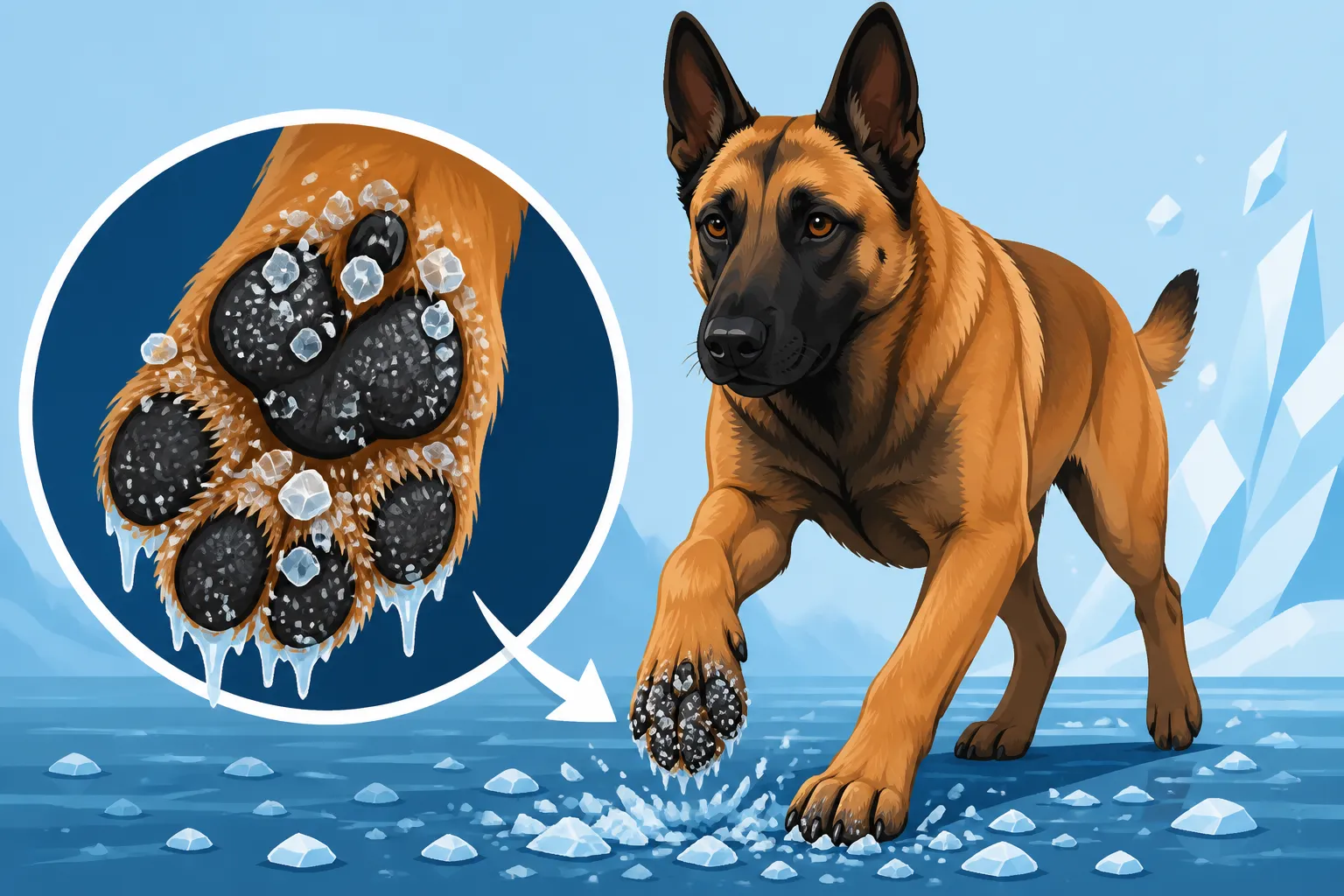
Beyond the chemical assault of de-icers, the physical presence of ice and snow itself poses significant threats to your Malinois's paws. One of the most common and often overlooked problems is the formation of "ice balls" between their paw pads. Even though Malinois have relatively short coats, the hair between their toes can still accumulate snow, which then melts slightly from body heat and refreezes into hard, painful clumps of ice. These ice balls stretch the skin between the pads, causing extreme discomfort, lameness, and sometimes even tears in the delicate skin. It's like having small, sharp rocks constantly pressing and pulling at their feet with every step.
Then there are the more obvious dangers: sharp shards of ice. Whether it's broken ice on a driveway, jagged edges of frozen puddles, or compacted snow with sharp crusts, these can easily cut or abrade your Malinois's paw pads. A deep cut can become infected, be incredibly painful, and sideline your active dog from training or work for an extended period. Furthermore, walking on slick ice significantly reduces traction, increasing the risk of slips and falls. For a powerful, agile dog like a Belgian Malinois, a sudden slip can lead to muscle strains, ligament tears (like a torn cruciate), or other orthopedic injuries that can be difficult and costly to recover from. We all know how much a Malinois loves to go full throttle, and a loss of footing mid-stride can have serious consequences. It's worth considering how demanding some sports are on their body, and adding the stress of slick surfaces just multiplies the risk. Read more about protecting those sensitive areas in Pad Injuries on a Belgian Malinois in Training.
Recognizing the Signs of Paw Distress in Your Active Malinois
Belgian Malinois are famously tough and often stoic, pushing through discomfort to complete a task. This can make it tricky to spot when their paws are truly bothering them. It's crucial for owners to be vigilant and understand both the subtle and overt signals their dog might be sending. Ignoring these signs can prolong suffering and exacerbate injuries, making recovery more challenging.
Behavioral Cues of Discomfort
Your Malinois might not yelp or whine immediately, but they will show changes in their behavior if their paws are in pain. One of the most noticeable signs is frequent lifting of a paw or an outright limp, especially when transitioning from an indoor, warm surface to the cold, salted ground outside. They might walk gingerly, hesitant to put full weight on all four feet. Observe them closely during and immediately after a walk. Are they slowing down more than usual? Are they refusing to walk on certain patches of pavement or grass, opting for snowier, softer spots instead?
Once back inside, excessive licking, chewing, or even biting at their paws is a strong indicator of irritation. They might spend an unusual amount of time grooming their feet, trying to alleviate the stinging or burning sensation from salt or the ache from ice balls. Some Malinois might become unusually quiet or withdrawn, lying down more than usual, or simply not engaging in their typical high-energy antics. This shift in demeanor, particularly after outdoor activity, is a red flag you shouldn't ignore. Remember, for a Malinois, energy levels are usually through the roof, so any significant dip could mean something is amiss.
Visual Indicators of Injury or Irritation
Beyond behavior, a direct visual inspection of your Malinois's paws is essential after any winter excursion. Look for any immediate signs of trouble: redness between the pads, swelling of the paw, or visible cracks in the pads themselves. Chemical burns from de-icers can appear as reddish, inflamed areas, sometimes with peeling skin or even blisters. You might also notice a grayish or whitish film, which could be residual salt, needing immediate rinsing.
It's also important to check for physical damage. Are there any small cuts, nicks, or abrasions? Are the pads unusually rough or dry? Even small ice particles, if not melted or brushed away, can cause significant irritation, so gently check between each toe. If you see any signs of bleeding, deep fissures, or pus, these indicate a more serious injury requiring prompt veterinary attention. Regularly checking your Malinois's paws is part of the routine care for an active dog. This diligence is especially vital for a breed like the Malinois, whose work ethic can sometimes mask discomfort. For a full guide on routine checks, refer to Checking a Belgian Malinois Over After a Session.
Proactive Paw Protection: Keeping Your Malinois Safe All Winter
The best defense is a good offense, and when it comes to your Malinois's paws in winter, being proactive is key. Waiting until problems arise only means your dog has already experienced discomfort or injury. Fortunately, there are several effective strategies you can employ to create a protective buffer between their sensitive paws and the harsh winter environment.
The Case for Protective Paw Wear
Dog boots might look a little silly, but for many working dogs, especially a Belgian Malinois that needs to be out regardless of the weather, they are a game-changer. Good quality dog boots provide an excellent physical barrier against all the winter nasties: salt, chemicals, sharp ice, and even extreme cold. They can prevent ice balls from forming between the toes and offer crucial traction on slippery surfaces.
The challenge, however, is getting a Malinois to accept and comfortably wear them. This often requires a gradual introduction process, starting with short periods indoors, rewarding heavily with treats and praise, and slowly increasing the duration. It's not uncommon for a Malinois to do the "Frankenstein walk" initially, but with patience and consistency, most can learn to tolerate them. Fit is paramount; boots that are too loose will twist and fall off, while those that are too tight can cause rubbing and irritation. Look for boots that are durable, waterproof, and have good grip. Many brands are available on online retailers like Chewy or Amazon, offering a wide range of styles and sizes. When selecting, consider your Malinois's specific paw shape and activity level. If you're struggling to find the right fit, specialty pet stores often allow you to try on boots in-store. It's a similar process of habituation as with other protective gear, like how some dogs learn to wear Goggles for a Belgian Malinois With Pannus.
Balms and Waxes as a First Line of Defense
For dogs who simply won't tolerate boots, or for situations with less severe winter conditions, paw balms and waxes offer a fantastic alternative. These products create a breathable, protective barrier on the paw pads, shielding them from harsh chemicals, preventing excessive dryness, and providing a slight degree of waterproofing. They work by forming a wax-like layer that repels moisture and irritants, much like a natural wax layer would.
Applying paw balm or wax should become a routine before every winter walk. Simply rub a generous amount onto each paw pad, making sure to get between the toes as well, where ice and salt often collect. The benefits extend beyond just protection; these balms are often moisturizing, helping to prevent the painful cracking and chapping that can occur in cold, dry air or from chemical exposure. Look for natural, pet-safe ingredients that won't harm your Malinois if ingested, as they will undoubtedly lick their paws. Brands like Musher's Secret or various organic paw waxes are popular choices and readily available on platforms like Chewy or Amazon. Consistent application is key to maintaining an effective barrier. Think of it as a daily moisturizer and shield for their hardworking feet. This also ties into Pad Toughening for a Belgian Malinois, as healthy, supple pads are naturally more resilient.
Thoughtful Management and Environmental Awareness
Sometimes, the best protection doesn't come from a product, but from smart decision-making. Paying attention to your environment and modifying your routine can significantly reduce your Malinois's exposure to winter hazards.
One of the easiest strategies is to choose your walking routes wisely. Avoid sidewalks and streets that have been heavily salted. Opt for parks, natural trails, or grassy areas where de-icing chemicals are less likely to be used. If you live in an area with extensive salting, consider driving to a less treated location for your daily exercise. For an active breed like the Malinois, shorter, more frequent outdoor excursions might be necessary on days with particularly harsh conditions, especially if they are reluctant to wear boots. This allows them to relieve themselves and stretch their legs without prolonged exposure.
Another crucial, yet often overlooked, preventative measure is keeping the hair between your Malinois's paw pads neatly trimmed. Longer hair in this area is a magnet for snow and ice, creating those painful ice balls. Regularly trim this hair flush with the pads to minimize accumulation. For guidance on general grooming and nail care that can help with this, check out Getting a Malinois to Hold Still for Nail Trims. Immediately after any winter walk, make it a habit to wipe down or rinse your Malinois's paws. This simple step can remove lingering salt, chemicals, and ice before they have a chance to cause irritation or be ingested. Having a towel and a shallow basin of warm water by the door can make this routine quick and easy. By being mindful of where and how your Malinois exercises in winter, you can significantly reduce their risk of paw problems. For broader advice on managing your Malinois in cold weather, you might find Whether a Belgian Malinois Works Through Winter Uncovered useful.
Here's a quick comparison of common paw protection methods:
| Method | Pros | Cons | Best Use Cases |
|---|---|---|---|
| Dog Boots | Excellent physical barrier, full protection, traction | Can be rejected by dog, fit issues, potential expense, may lack breathability | Heavy snow/ice, rough terrain, chemical de-icers, extended exposure |
| Paw Balms/Waxes | Easy to apply, well-tolerated, moisturizes, natural | Less protection from sharp ice/debris, needs frequent reapplication, can be messy | Light snow, mild salt, dry/cracked pads, quick outings |
| Paw Hair Trims | Prevents ice ball formation, improves traction | Requires regular maintenance, doesn't protect from salt/chemicals | All winter conditions, especially for dogs with longer inter-toe hair |
| Route Selection | Free, proactive avoidance strategy | Limits walking options, requires knowledge of treated areas, not always feasible | Urban areas with heavy salting, known hazard zones, sensitive paws |
Post-Exposure Care: Healing and Recovery for Ailing Paws
Despite our best efforts, sometimes our Malinois's paws will still encounter winter hazards. When this happens, swift and appropriate action can minimize discomfort and prevent more serious issues. Knowing how to provide immediate relief and when to seek professional help is vital for any dedicated Malinois owner.
Immediate Rinsing and Cleaning
This is perhaps the most critical step if your Malinois's paws have been exposed to salt or de-icing chemicals. The moment you get back inside, before your dog has a chance to lick their paws, grab a bowl of lukewarm water and a clean towel. Thoroughly rinse each paw, making sure to get into all the crevices between the pads and toes. The goal is to wash away every trace of chemical residue and any embedded ice or salt crystals. Lukewarm water is best as it's comfortable for your dog and helps to melt any stubborn ice balls gently.
If the paws seem particularly irritated or you know they've walked through a heavy concentration of chemicals, a mild, pet-safe soap can be used, but always rinse meticulously afterward to ensure no soap residue is left behind. Gently pat the paws dry, ensuring there's no moisture remaining between the toes, as this can lead to skin irritation or fungal issues. This quick post-walk routine takes mere minutes but can save your Malinois a lot of discomfort and prevent them from ingesting harmful substances.
Soothing and Healing Irritated Pads
After thorough cleaning and drying, it's time to assess and address any irritation. For general dryness, minor cracking, or redness, apply a good quality, pet-safe paw balm or moisturizer. These products can help rehydrate the skin, promote healing, and create a soothing layer. Reapply several times a day as needed. If your Malinois is prone to licking off topical treatments, consider using an Elizabethan collar (E-collar) or a clean sock secured with veterinary wrap (not too tight!) to allow the balm to absorb. You can find a variety of balms and wraps on platforms like Chewy.
However, not all paw issues are minor. If you notice deep cuts, bleeding, blisters, severe redness, swelling, or if your Malinois is limping persistently, it's time to call your veterinarian. These could be signs of chemical burns, a deep laceration, or an infection that requires professional medical attention. Your vet might prescribe stronger topical medications, oral antibiotics, or pain relief. Never hesitate to seek professional advice; a Malinois's paws are their primary tool for work and play, and their health is paramount. Maintaining overall health through proper nutrition, perhaps with a high-quality food source like Ollie, can also contribute to stronger skin and paw pad resilience. Regular vet check-ups are also crucial for spotting and addressing issues early, as detailed in The Checkup Schedule a Sport Malinois Should Keep.
Disclaimer
This article is for general informational purposes only and does not constitute professional advice. Laws, prices and regulations vary by location and change over time. Consult a qualified professional for guidance on your specific situation.