The Cancers That Take a Belgian Malinois
There’s nothing quite like the unwavering energy and fierce loyalty of a Belgian Malinois. These dogs are powerhouses, full of drive and vitality, often making them seem invincible. That's why receiving a cancer diagnosis for your beloved Malinois can feel like a punch to the gut, completely out of left field, leaving you reeling and questioning everything. This guide is here to walk you through the most common types of cancer that affect Belgian Malinois, what to watch out for, and how to navigate the complex world of diagnosis and treatment, ensuring you feel as prepared and supported as possible.
Understanding Cancer in Belgian Malinois
When you live with a Malinois, you become acutely aware of their incredible athleticism, their sharp minds, and their general robust health. They're not typically dogs you associate with being fragile or easily sidelined. This perception can make a cancer diagnosis particularly shocking, making it difficult to reconcile the image of your high-drive, seemingly invincible partner with the harsh reality of illness. Understanding why these magnificent dogs, like all breeds, can be susceptible to cancer, is the first step in facing this challenge head-on.
Why Malinois Owners Face Unique Concerns
Living with a Belgian Malinois means having a dog that often operates at peak physical and mental performance. Whether they're a working dog in law enforcement, a sport competitor, or an incredibly active family companion, their entire identity is often wrapped up in their ability to do things. This inherent drive and stamina can sometimes mask early signs of illness, including cancer, because they are so resilient and determined to push through discomfort. Owners might initially attribute subtle changes in energy or slight lameness to a strenuous training session or a minor bump, delaying a veterinary visit.
Furthermore, the sheer intensity of a Malinois means that any health setback, especially something as debilitating as cancer, doesn't just impact their physical well-being; it strikes at the very core of their purpose and happiness. A Malinois thrives on having a job, on being active and engaged. Losing that ability due to illness can be incredibly disheartening for both the dog and their dedicated handler. The frustration of watching a dog that normally never quits start to flag or show signs of pain is a unique burden for Malinois owners, who are so used to their dogs giving 110% all the time.
The General Nature of Canine Cancer
At its most basic, cancer in dogs, much like in humans, is a disease characterized by the uncontrolled growth and spread of abnormal cells. These cells can form tumors, which might be benign (non-cancerous and usually localized) or malignant (cancerous, capable of invading surrounding tissues and spreading to distant parts of the body, a process called metastasis). It's a complex disease, and while we often look for a single cause, it's typically a multifactorial issue, involving a combination of genetic predispositions, environmental exposures, and sometimes just plain bad luck.
For Malinois, while they are generally considered a healthy breed, they are not immune to the genetic lottery. Certain lines may have a higher incidence of particular cancers, though this breed isn't as widely known for specific cancer genes as some others. As dogs age, the risk of cancer naturally increases, making it a leading cause of death in older dogs across all breeds. The body's cellular repair mechanisms become less efficient, and cells are more prone to mutations. Understanding that cancer is a natural, albeit devastating, part of aging for many dogs can help contextualize a diagnosis, even if it doesn't lessen the pain.
Common Cancers Affecting Belgian Malinois
While any dog can develop a wide array of cancers, some types show a higher prevalence or particular aggressiveness in large, active breeds like the Belgian Malinois. These are the ones that, as a Malinois owner, you should be particularly vigilant about, knowing their insidious nature and often rapid progression. Being armed with this knowledge isn't about fostering anxiety, but about empowering you to recognize the subtle cues that could lead to an earlier diagnosis and potentially better outcomes.
Hemangiosarcoma: The Silent Killer
Hemangiosarcoma is arguably one of the most devastating cancers encountered in dogs, and it often strikes large breeds with a particular vengeance, including Malinois. This aggressive, malignant cancer originates from the cells lining blood vessels, meaning it can appear almost anywhere in the body where there are blood vessels. However, it most commonly affects the spleen, heart (specifically the right atrium), and liver, making it exceptionally dangerous because these are highly vascular organs. The terrifying aspect of hemangiosarcoma is its "silent killer" nature; it often develops with no obvious outward signs until a critical event occurs.
A tumor on the spleen, for instance, can grow quite large internally before it causes any noticeable discomfort or symptoms. Owners might only notice vague signs like a slight decrease in energy or a subtle change in appetite. The true crisis typically arises when the tumor ruptures, causing severe internal bleeding. This can lead to a sudden, catastrophic collapse, where your otherwise healthy-looking Malinois is suddenly weak, lethargic, has pale gums, and might have a distended abdomen due to the blood loss. It's an emergency, and sadly, for many dogs, this is the first and only sign of the disease. Even if the bleeding is controlled surgically, the cancer is highly metastatic, meaning it spreads aggressively to other organs, often the liver and lungs. The prognosis, even with surgery and chemotherapy, is often poor, highlighting the brutal reality of this cancer. For more on sudden severe conditions, you might find information on The Bleeding Tumor That Kills an Older Malinois particularly relevant, as it describes a common manifestation of this aggressive cancer.
Osteosarcoma: Bone Cancer's Brutal Reality
Osteosarcoma, or bone cancer, is another particularly aggressive malignancy commonly seen in large and giant breed dogs. Given the Malinois's powerful bone structure and high-impact activities, it's a cancer that, while not as prevalent as hemangiosarcoma, needs to be on an owner's radar. This primary bone tumor is notoriously painful and has a high metastatic rate, often spreading to the lungs very early in the disease process. It typically affects the long bones of the limbs, such as those in the shoulder, wrist, or knee, though it can occur in other bones as well.
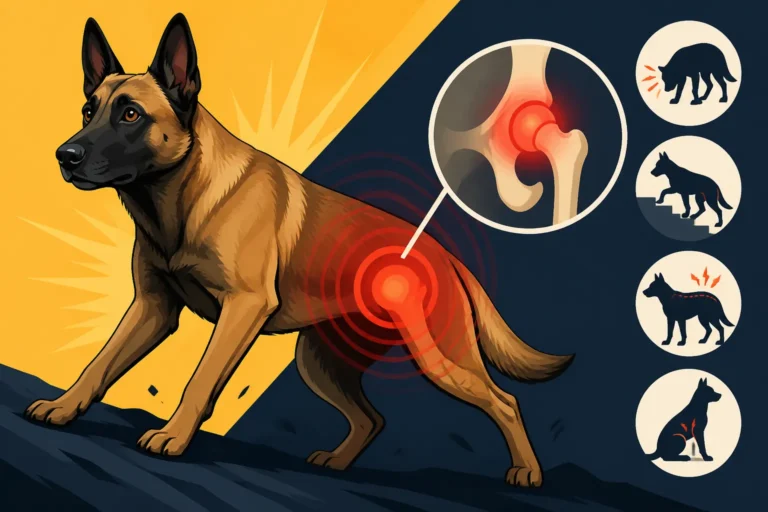
The primary symptom of osteosarcoma is lameness, often intermittent at first, which can unfortunately be mistaken for a sprain, strain, or other orthopedic injury – something a physically active Malinois is certainly prone to. However, unlike a typical injury that might improve with rest, lameness from osteosarcoma tends to worsen steadily and becomes increasingly painful. You might also notice swelling and warmth over the affected bone, and your dog may be reluctant to bear weight or even yelp when the area is touched. Diagnosis usually involves X-rays, which often show characteristic bone destruction, followed by a biopsy to confirm the type of cancer. Treatment is aggressive and typically involves amputation of the affected limb to remove the primary tumor and alleviate pain, followed by chemotherapy to target microscopic metastatic disease and improve survival times. While it’s a difficult journey, understanding the potential for Injuries a Bite Sport Belgian Malinois Collects can sometimes make it harder to differentiate these subtle early signs from benign training incidents, underscoring the importance of thorough veterinary investigation for persistent lameness.
Lymphoma: A Systemic Threat
Lymphoma is a cancer of the lymphatic system, which is a vital part of the body's immune system. Lymphocytes, a type of white blood cell, become cancerous and proliferate uncontrollably. Because lymphatic tissue is found throughout the body—in lymph nodes, spleen, liver, bone marrow, and gastrointestinal tract—lymphoma can manifest in various ways, making it a systemic threat. While not exclusively a Malinois problem, it is one of the more common canine cancers and deserves particular attention.
The most common form, multicentric lymphoma, presents with noticeably swollen peripheral lymph nodes (those you can feel under the jaw, in the armpits, or behind the knees). These nodes usually feel firm and non-painful. Other forms of lymphoma can target specific organs, such as gastrointestinal lymphoma, which causes vomiting, diarrhea, and weight loss, or mediastinal lymphoma, affecting the chest cavity and potentially causing breathing difficulties. Less commonly, cutaneous lymphoma affects the skin. The initial signs might be vague: lethargy, decreased appetite, and general malaise. Diagnosis involves a fine needle aspirate (FNA) or biopsy of an affected lymph node or organ, followed by cytology or histopathology. While lymphoma is rarely curable, it is often highly responsive to chemotherapy protocols. The goal of treatment is to achieve remission, which can significantly extend a dog's life and improve their quality of life, often for many months or even years.
Other Significant Cancers to Watch For
Beyond the major cancers previously discussed, there are several other types that, while perhaps less common or less immediately life-threatening in all instances, still require vigilance from Malinois owners. The key across the board is early detection, as even seemingly benign growths can sometimes hide a more sinister truth beneath the surface. Knowing what to look for and when to act can make all the difference.
Mast Cell Tumors: The Great Pretender
Mast cell tumors are notoriously unpredictable and often referred to as "the great pretender" because they can appear in almost any location and in countless forms. They can look like a small wart, a fatty lump (lipoma), an insect bite, or a rapidly growing mass. While often found on or under the skin, they can also occur internally, in organs like the spleen, lymph nodes, or bone marrow. This makes them particularly tricky for owners, who might dismiss a new lump as something harmless, only for it to turn out to be a malignant mast cell tumor.
The crucial takeaway for Malinois owners, or any dog owner for that matter, is that any new lump or bump should be evaluated by a veterinarian. A simple, relatively non-invasive procedure called a fine needle aspirate (FNA) can often provide a preliminary diagnosis by extracting cells from the lump for microscopic examination. Mast cell tumors are graded from I to III, with Grade I being the least aggressive and Grade III being the most. Treatment primarily involves surgical removal with wide margins to ensure all cancerous cells are excised. Depending on the grade, location, and whether it has spread, chemotherapy or radiation therapy may also be recommended. For a more in-depth look at what lumps warrant immediate attention, checking out Lumps Worth Aspirating on a Belgian Malinois is highly advisable. This can help you understand when to act quickly and potentially save your dog a lot of trouble down the line.
Mammary Gland Tumors: A Concern for Females
Mammary gland tumors are among the most common tumors in intact female dogs, and their incidence dramatically decreases in females who are spayed early in life, ideally before their first heat cycle. While Malinois are not uniquely predisposed, if you own a female Malinois who has not been spayed, or was spayed later in life after several heat cycles, these tumors are a significant concern. They develop in the mammary tissue, which extends from the chest down to the groin, and can appear as single or multiple lumps.
Approximately 50% of mammary tumors in dogs are malignant, meaning they are cancerous and can spread. The good news is that the other 50% are benign. However, without veterinary examination and biopsy, it's impossible to tell the difference. Therefore, it's imperative that if you discover any lumps or changes in your female Malinois's mammary tissue, you have them checked immediately. Your vet will perform a physical exam and may recommend a fine needle aspirate or, more definitively, surgical removal and biopsy of the entire mass. If found to be malignant, further diagnostics like chest X-rays may be recommended to check for metastasis. Early detection and surgical removal of malignant tumors offer the best prognosis. This is a stark reminder of why early spaying, if you're not planning to breed, is such a powerful preventative measure against a potentially deadly disease.
Melanoma: Not Just a Skin Deep Issue
When most people think of melanoma, they think of skin cancer caused by sun exposure. While cutaneous melanoma can occur on the skin in dogs, the most aggressive and concerning forms in canines are often found in less obvious locations: the oral cavity (mouth) and the nail beds (digital melanomas). These forms of melanoma are highly malignant, tend to be locally invasive, and metastasize rapidly to regional lymph nodes and distant organs. While Malinois don't have a specific predisposition, their active lifestyle and powerful jaws mean that oral issues might be less quickly noticed than a skin lesion.
Oral melanomas often appear as dark, raised masses on the gums, tongue, or lips. They can also be amelanotic, meaning they don't have the typical dark pigment, making them harder to identify. Signs might include bad breath, difficulty eating, drooling, or bleeding from the mouth. Digital melanomas, on the other hand, develop under the nail or at the nail bed. Owners might first notice a swollen, painful toe, lameness, or even a missing nail, which can easily be mistaken for an injury from hard work or rough play. Given the Malinois's intense activity, a persistent lameness or toe injury should always warrant a thorough veterinary investigation, including X-rays of the paw. Both oral and digital melanomas carry a guarded to poor prognosis due to their aggressive nature and high metastatic potential, but early and aggressive surgical removal can sometimes offer a better outcome, especially when combined with newer therapies like canine melanoma vaccines.
Early Detection and Diagnostic Steps
For a breed as driven and stoic as the Belgian Malinois, early detection of cancer can be particularly challenging. They are masters at masking discomfort, often continuing to work or play through pain, making it difficult for even the most observant owner to spot the subtle initial signs. However, being proactive and knowing what to look for, coupled with consistent veterinary care, are your strongest defenses against the devastating progression of canine cancer.
The Importance of Regular Veterinary Check-ups
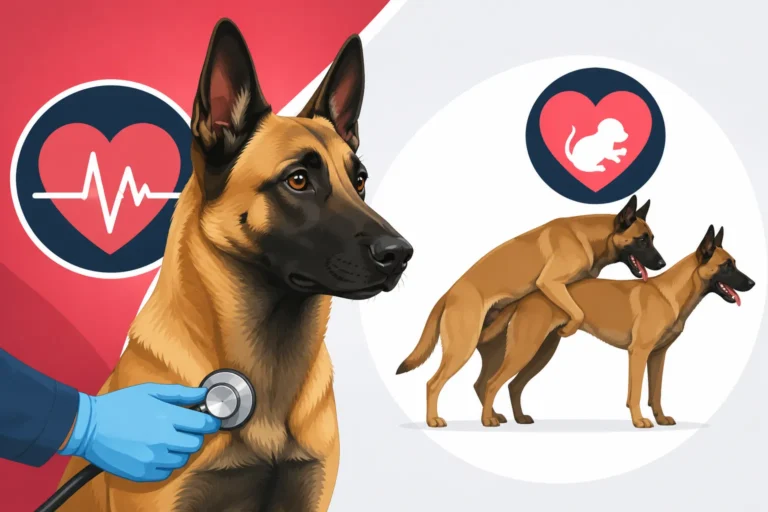
Even if your Malinois seems like a picture of health, those annual or, ideally, bi-annual veterinary check-ups are not just for vaccines – they are crucial diagnostic opportunities. A seasoned veterinarian knows what to look for, from subtle changes in body condition to lumps and bumps that you might have missed. During these visits, your vet will perform a thorough physical examination, palpating lymph nodes, abdomen, and mammary glands, and listening to the heart and lungs. They might also suggest routine bloodwork, especially as your Malinois enters their senior years, typically around seven or eight for this breed.
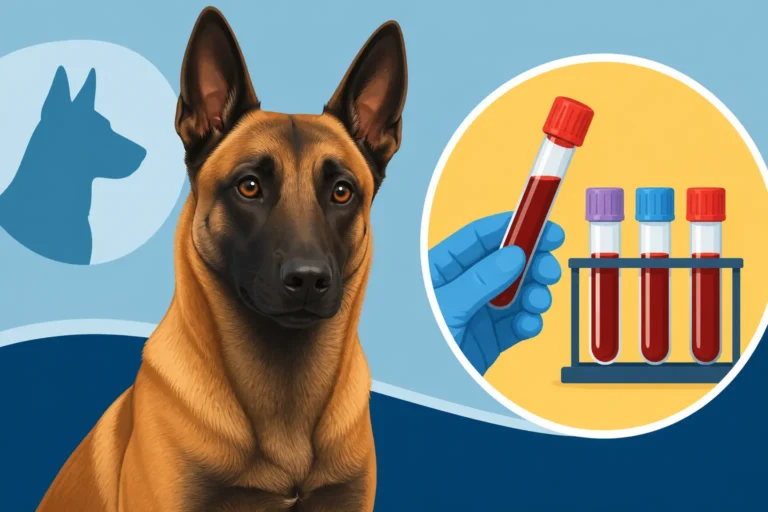
Bloodwork can reveal abnormalities that aren't yet visible to the naked eye. For example, changes in red blood cell counts might indicate internal bleeding (a sign of something like hemangiosarcoma), while altered liver or kidney values could point to metabolic issues or even metastatic disease impacting those organs. While not a definitive cancer test, it can certainly raise red flags and prompt further investigation. These routine visits also provide an opportunity to discuss any subtle behavioral or physical changes you've noticed, no matter how insignificant they seem. Remember, your vet is your partner in your Malinois's long-term health, and regular proactive care is invaluable. For a deeper understanding of what blood tests are typically recommended, consider reviewing The Bloodwork a Working Malinois Should Have Annually.
What to Watch For as an Owner
You know your Malinois better than anyone. You notice the subtle shifts in their routine, the slight dip in their usual frantic energy, or a moment of hesitation before they leap onto the couch. It's these nuanced observations that become critical in detecting early signs of cancer. Don't dismiss them, especially if they are persistent or progressive. Here's a detailed list of warning signs that warrant immediate veterinary attention:
- Unexplained Weight Loss: If your Malinois is losing weight despite eating normally (or even more) and maintaining their usual exercise, this is a major red flag for many underlying health issues, including cancer.
- Changes in Appetite: A sudden decrease in food intake, pickiness, or refusal to eat, especially in a breed usually enthusiastic about food, can be concerning. Conversely, increased appetite with weight loss is also suspicious.
- Lethargy or Decreased Stamina: Your Malinois is always on the go. If they're suddenly sleeping more, less eager for walks or training, or tiring out much faster than usual, pay attention.
- New Lumps or Bumps: As discussed with mast cell tumors, any new growth on or under the skin should be checked. Note its size, texture, and how quickly it's changing.
- Persistent Lameness or Swelling: While a Malinois can often have minor aches from their activity, persistent lameness that doesn't improve with rest, or any unexplained swelling, especially on a limb, needs investigating for osteosarcoma or other issues.
- Difficulty Breathing, Coughing, or Choking: These can be signs of lung tumors or spread to the lungs.
- Changes in Urination or Defecation: Straining, increased frequency, blood in urine or stool, or changes in stool consistency (especially dark, tarry stools which can indicate internal bleeding) are serious.
- Oral Changes: Bad breath, bleeding from the mouth, difficulty chewing, or visible masses inside the mouth can signal oral tumors like melanoma.
- Persistent Vomiting or Diarrhea: While often digestive, persistent gastrointestinal upset can be a sign of abdominal tumors.
- Any Wounds That Don't Heal: Persistent sores or non-healing wounds, particularly on the skin, can sometimes be cancerous.
The stoicism of a Malinois can be both a blessing and a curse. They often push through pain, making it difficult to pinpoint when something is truly wrong. Never underestimate your gut feeling as an owner. If something feels off, get it checked. Remember, Lumps Worth Aspirating on a Belgian Malinois provides valuable insight into assessing skin abnormalities.
Diagnostic Tools and Procedures
Once your veterinarian suspects cancer, they will move beyond the physical exam to employ a range of diagnostic tools to confirm a diagnosis, determine the type of cancer, and assess its stage (how far it has spread). This comprehensive approach is crucial for formulating the most effective treatment plan.
- Fine Needle Aspirates (FNAs): This is often the first step for external lumps. A small needle is used to collect cells, which are then examined under a microscope by a pathologist. It's minimally invasive and can often distinguish between benign and malignant growths, though sometimes a definitive diagnosis requires a biopsy.
- Biopsies: A more invasive procedure where a larger tissue sample is removed surgically. This provides more tissue for a pathologist to examine, giving a definitive diagnosis, tumor type, and grade. This is vital for accurate prognosis and treatment planning.
- X-rays (Radiographs): Chest X-rays are routinely performed to check for metastasis to the lungs, a common site for many canine cancers. Abdominal X-rays can sometimes reveal large masses or organ enlargement. For lameness, X-rays of the affected bone are critical for diagnosing osteosarcoma.
- Ultrasound: An abdominal ultrasound allows your vet to visualize internal organs like the spleen, liver, and lymph nodes, helping to detect masses that might not be visible on X-rays. It's particularly useful for identifying hemangiosarcoma of the spleen or liver.
- Computed Tomography (CT) Scans and Magnetic Resonance Imaging (MRI): These advanced imaging techniques provide highly detailed cross-sectional images of the body. They are invaluable for precise tumor localization, assessing the extent of local invasion, and planning complex surgeries or radiation therapy, especially for tumors in the head, spine, or complex soft tissue areas. While more costly, they offer a level of detail that other imaging cannot match. For more on advanced imaging, you can explore topics like The Price of Imaging a Malinois's Neck and Spine.
- Blood Tests: Beyond routine bloodwork, specific blood tests can sometimes be used. For example, a complete blood count (CBC) might show anemia (low red blood cells) due to internal bleeding from a ruptured tumor, or elevated white blood cells in some forms of leukemia. Serum biochemistry can assess organ function.
- Bone Marrow Aspirate/Biopsy: If blood cancers like lymphoma or leukemia are suspected, examining bone marrow can provide critical diagnostic information.
Once all diagnostic information is gathered, your veterinary team, which may include a veterinary oncologist, will discuss the findings, prognosis, and potential treatment options with you. This can be an overwhelming time, but remember you have a team dedicated to your Malinois's care.
Navigating Treatment Options and Prognosis
Receiving a cancer diagnosis for your Malinois is incredibly tough, and the subsequent discussions about treatment options can feel even more daunting. You’re not just thinking about prolonging life, but about maintaining the incredible quality of life your Malinois is used to, full of action and purpose. Treatment choices depend heavily on the type of cancer, its stage, and your dog's overall health and temperament. It's a deeply personal decision, and there's no single right answer for every dog or every family.
Surgical Intervention and Its Role
For many types of localized cancer, surgical removal of the tumor is often the first and most effective line of treatment. The goal of surgery is to excise the entire tumor, along with a margin of healthy tissue around it, to ensure no cancerous cells are left behind. This is particularly true for solid tumors like mast cell tumors, mammary gland tumors, and in some cases, early-stage splenic hemangiosarcoma. For bone cancers like osteosarcoma, amputation of the affected limb is typically the gold standard for removing the primary source of pain and slowing metastasis.
However, surgery presents its own set of challenges, especially for an athletic and high-energy breed like a Malinois. Recovery periods can involve strict rest and activity restrictions, which can be incredibly difficult for a dog used to constant motion. Imagine trying to keep a Malinois on crate rest for weeks! Post-operative care, pain management, and preventing complications like infection are critical. The decision for surgery also involves weighing the risks of anesthesia, particularly in older or compromised animals. Given their lean body mass and high metabolism, specific considerations for Anesthesia Protocols for a Lean Belgian Malinois are often necessary. While surgery can be curative for some localized cancers, for more aggressive or metastatic cancers, it often serves as a palliative measure (to relieve symptoms) or is combined with other therapies to achieve a more lasting remission.
Chemotherapy and Radiation Therapy
Beyond surgery, chemotherapy and radiation therapy are two of the most common adjunctive treatments for canine cancer, often used to target microscopic disease or tumors that are not surgically removable.
Chemotherapy involves the use of drugs to kill rapidly dividing cancer cells throughout the body. Unlike human chemotherapy, which often aims for a complete cure at any cost, canine chemotherapy is generally focused on achieving remission and maintaining a good quality of life. The dosages are typically lower, and while side effects can occur (like transient nausea, vomiting, or lethargy), they are usually less severe than in humans. Hair loss is rare in Malinois due to their short coat, but dogs may experience a dulling of the coat. Chemotherapy is particularly effective for systemic cancers like lymphoma, and often used after surgery for highly metastatic cancers like hemangiosarcoma or osteosarcoma to try and delay spread. The treatment protocols can involve weekly, bi-weekly, or monthly intravenous injections or oral medications, requiring regular vet visits and careful monitoring. Managing a Malinois on a long-term medication protocol can be a commitment, similar to Managing an Epileptic Belgian Malinois on Medication, requiring consistent adherence and observation for side effects.
Radiation Therapy uses high-energy radiation to damage and kill cancer cells in a specific, targeted area. It's often used for tumors that are difficult to remove surgically, or to reduce the size of a tumor before surgery, or to treat areas where cancer cells might have been left behind. It can also be a powerful tool for pain relief, especially in cases of bone cancer where amputation isn't an option. Radiation therapy requires multiple sessions, typically performed daily over several weeks, and each session requires the dog to be sedated or anesthetized to ensure precise targeting. This means daily trips to a specialized facility and the associated risks of repeated anesthesia.
Palliative Care and Quality of Life
When cancer is advanced, aggressive, or has spread extensively, a cure may no longer be a realistic goal. In these heartbreaking situations, the focus shifts entirely to palliative care. This isn't about giving up; it's about shifting priorities to ensure your Malinois remains as comfortable, happy, and pain-free as possible for the time they have left. The ultimate goal is to maintain an excellent quality of life, allowing your dog to continue engaging in activities they love for as long as possible.
Palliative care encompasses a range of strategies. Pain management is paramount, using medications like NSAIDs, gabapentin, tramadol, or even stronger opioids, often in combination, to keep discomfort at bay. Nutritional support becomes critical; sometimes, dietary changes or appetite stimulants are needed to ensure your Malinois continues to eat and maintain muscle mass. Gentle exercise, mental stimulation through puzzle toys, and plenty of affection are vital to their emotional well-being. Regular, honest conversations with your veterinarian about your dog's comfort levels, energy, and overall happiness are essential. You will be making difficult decisions, often balancing the desire for more time with the reality of your dog's declining health. It's about honoring the life they’ve lived and ensuring their final chapter is filled with dignity and comfort. For more on adapting care for aging dogs, resources like Feeding a Retired Belgian Malinois or Keeping a Belgian Malinois Sound Past Twelve might offer additional insights into maintaining comfort and health during later life stages.
Support and Financial Considerations for Malinois Owners
The emotional and financial toll of a cancer diagnosis for your Belgian Malinois can be immense. It's not just about the medical journey, but the broader impact on your life, your routine, and your heart. Being prepared for these aspects can help alleviate some of the stress, allowing you to focus more fully on your dog's care.
The Emotional Toll on Owners
Let's be honest, getting a cancer diagnosis for your Malinois is devastating. These aren't just pets; they're partners, family members, and often an extension of ourselves, especially for those who work closely with their dogs. The drive, intelligence, and bond you share with a Malinois are profound, making the thought of losing them to illness particularly heartbreaking. You might feel a whirlwind of emotions: shock, sadness, anger, guilt, and overwhelming anxiety about their future. It's completely normal to feel this way. Many owners report that the grief process starts the moment they receive the diagnosis, long before the actual loss occurs.
It's important to acknowledge and validate these feelings. Don't feel pressured to "be strong" all the time, or to downplay your grief because "it's just a dog." Your bond is real, and your grief is valid. Seek support from friends and family who understand, or from online communities and local support groups for pet owners facing similar challenges. Sharing experiences can be incredibly cathartic and provide a sense of not being alone in this difficult journey. Remember to also take care of yourself during this stressful time, as your well-being directly impacts your ability to care for your beloved Malinois.
Managing Veterinary Costs and Insurance
Cancer treatment, with its array of diagnostics, surgeries, chemotherapy, and palliative care, can quickly become incredibly expensive. This is a brutal reality that many owners face, and it's a huge source of stress. Diagnostic work-ups alone can run into hundreds or thousands of dollars, and a full course of treatment, particularly for aggressive cancers requiring surgery and follow-up chemotherapy, can easily reach five to ten thousand dollars, or even more. This financial burden often forces owners to make excruciating decisions that no one ever wants to make.
This is where pet insurance can be an absolute lifesaver. Companies like Healthy Paws offer comprehensive pet insurance plans that, depending on your deductible and reimbursement level, can cover a significant portion of these unexpected veterinary bills. Having a good pet insurance policy in place before a diagnosis occurs means you can focus on making the best medical decisions for your Malinois without the added pressure of financial ruin. Many owners lament not having insurance when faced with a cancer diagnosis, wishing they had planned ahead. It's a proactive step that can provide immense peace of mind. For a detailed look at what insurance might cost and cover, refer to What Pet Insurance Runs on a Working Malinois and The Vet Bills a Bite Sport Belgian Malinois Runs Up. Additionally, if you find yourself in a difficult financial situation, there are sometimes Grant Programs That Cover Working Malinois Care that can offer some relief.
Clinical Trials and Advanced Therapies
For some types of cancer, or when standard treatments are no longer effective, participating in a veterinary clinical trial might be an option. Clinical trials are research studies that investigate new and innovative treatments, drugs, or therapies for specific diseases. They are typically conducted at veterinary specialty hospitals or university veterinary teaching hospitals. While not a guaranteed cure, they offer access to cutting-edge treatments that might not otherwise be available and can sometimes provide significant benefits to a dog.
Participation in a clinical trial often comes with rigorous eligibility criteria, and some costs associated with the experimental treatment itself might be covered by the study, although other standard care costs usually remain the owner's responsibility. This path requires a strong commitment to follow strict protocols and attend frequent appointments. Discussing this option with a veterinary oncologist can help determine if your Malinois is a suitable candidate. Furthermore, advancements in veterinary oncology are constantly being made, including targeted therapies, immunotherapy, and new surgical techniques. Consulting with a board-certified veterinary oncologist ensures you are aware of all possible treatment avenues, both conventional and experimental, offering your Malinois the best chance against this formidable disease.
Proactive Measures and Lifestyle Support
While we can't completely prevent cancer in our beloved Belgian Malinois, there are certainly proactive measures we can take to promote their overall health and potentially reduce their risk. Think of it as creating the healthiest possible environment for them, both internally and externally, to give them the strongest fighting chance against any illness that might come their way.
The Role of Diet and Nutrition
What we feed our Malinois plays a foundational role in their overall health and immune system function. A high-quality, balanced diet rich in appropriate proteins, healthy fats, and complex carbohydrates is crucial. Avoid diets with excessive fillers, artificial colors, or questionable by-products. For active Malinois, a performance-formulated kibble might be appropriate, but even with those, ensure the ingredients are top-notch.
Beyond the basic kibble, incorporating certain natural elements can be beneficial. Antioxidants found in various fruits and vegetables (e.g., blueberries, spinach, carrots – in moderation and dog-safe forms) can help combat cellular damage caused by free radicals, which are implicated in cancer development. Omega-3 fatty acids, often found in fish oil supplements, have anti-inflammatory properties that can support overall health and immune function. Some owners opt for fresh food or raw diets, believing they offer superior nutritional benefits, but these must be carefully balanced and prepared to avoid deficiencies or bacterial contamination. Whatever diet you choose, consistency and quality are key. If your Malinois is one of those that is always on the go, you might find more specialized advice on Feeding a Malinois That Is Never Not in Drive to be helpful.
Maintaining a Healthy Environment
Just as important as what goes into their bodies is what surrounds them in their daily lives. Reducing exposure to environmental toxins is a practical step you can take. This includes being mindful of pesticides and herbicides used in your yard or on public spaces where your Malinois plays. Opt for pet-safe alternatives whenever possible. Similarly, secondhand cigarette smoke has been linked to increased cancer risk in dogs, so ensuring a smoke-free environment is paramount.
Providing a physically and mentally stimulating environment is also vital for a Malinois's long-term health. Regular, appropriate exercise, tailored to their age and condition, helps maintain a healthy weight, strengthens their immune system, and promotes good circulation. While Malinois are known for their intensity, avoid chronic overexertion which can lead to inflammation and stress on the body. Mental engagement through training, puzzle toys, and new experiences also reduces stress and keeps their cognitive functions sharp, contributing to overall vitality. Essentially, a healthy environment and a balanced lifestyle work synergistically to bolster their natural defenses and keep them sound, not just physically, but mentally. For broader context on how to keep your Malinois in top shape well into their golden years, Keeping a Belgian Malinois Sound Past Twelve offers excellent general health advice.
Common Belgian Malinois Cancer Types: A Snapshot
| Cancer Type | Organs Commonly Affected | Common Symptoms | Prognosis | Typical Treatment |
|---|---|---|---|---|
| Hemangiosarcoma | Spleen, Heart, Liver | Sudden collapse, pale gums, weakness, abdominal distension | Poor (highly metastatic) | Surgery, Chemotherapy |
| Osteosarcoma | Long Bones (limbs) | Persistent lameness, swelling, pain in affected limb | Guarded to Poor (highly metastatic) | Amputation, Chemotherapy, Pain Management |
| Lymphoma | Lymph nodes, Spleen, Liver, Bone Marrow, GI Tract | Swollen lymph nodes, lethargy, weight loss, decreased appetite | Good for remission, rarely curative | Chemotherapy, Radiation |
| Mast Cell Tumors | Skin, Internal Organs (spleen, lymph nodes) | Lumps/bumps on or under skin (variable appearance), internal organ dysfunction | Variable (depends on grade, location, spread) | Surgery, Chemotherapy, Radiation |
| Mammary Gland Tumors | Mammary tissue | Lumps in mammary chain | Variable (depends on benign/malignant, size, spread) | Surgery, possibly Chemotherapy |
| Melanoma | Oral cavity, Nail beds, Skin | Dark masses in mouth, lameness/swelling of a toe, skin lesions | Guarded to Poor (oral/digital highly metastatic) | Surgery, Radiation, Immunotherapy |
Disclaimer
This article is intended for informational purposes only and is not a substitute for professional veterinary advice, diagnosis, or treatment. Always seek the advice of your veterinarian or other qualified animal health provider with any questions you may have regarding a medical condition. Never disregard professional veterinary advice or delay in seeking it because of something you have read here.