Retiring a Working Belgian Malinois From the Job
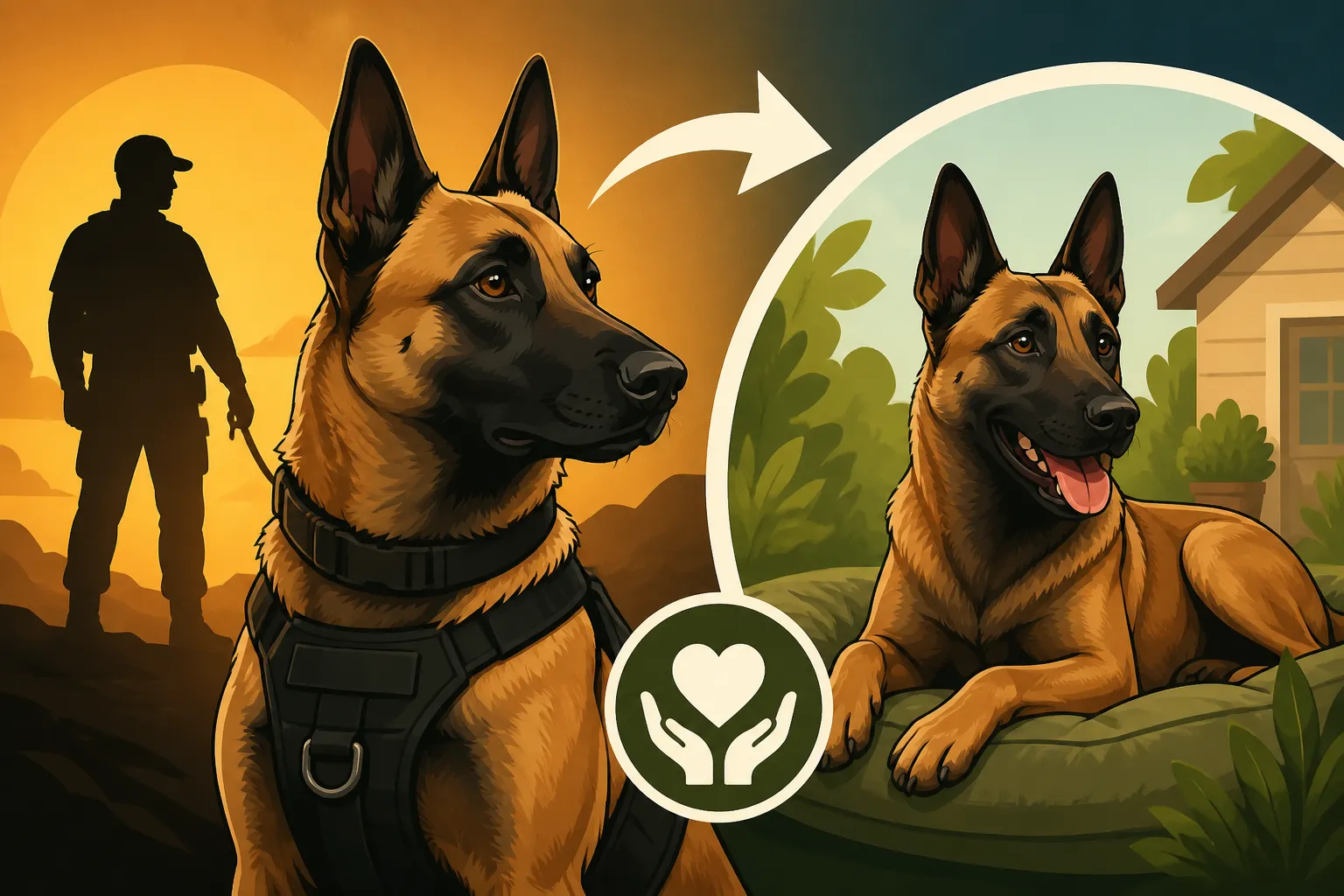
One of the hardest moments for any working dog handler is coming to terms with the fact that their incredibly driven Belgian Malinois, who has dedicated its life to a job, is starting to slow down. It’s a bittersweet transition, filled with questions about their well-being, purpose, and how to honor their years of service. This guide aims to help you navigate the delicate process of recognizing when it’s time to retire your working Malinois and how to ensure their golden years are filled with comfort, mental engagement, and loving care.
Recognizing the Signs It's Time for Retirement
It’s often a subtle shift, a whisper rather than a shout, when your Malinois begins to show signs that their working days might be drawing to a close. For dogs that live and breathe their job, whether it's police work, sport, or even intense SAR, this period can be confusing for both them and us. We want them to keep doing what they love, but we also owe it to them to protect their bodies and minds from unnecessary strain.
Physical Indicators of Aging and Wear
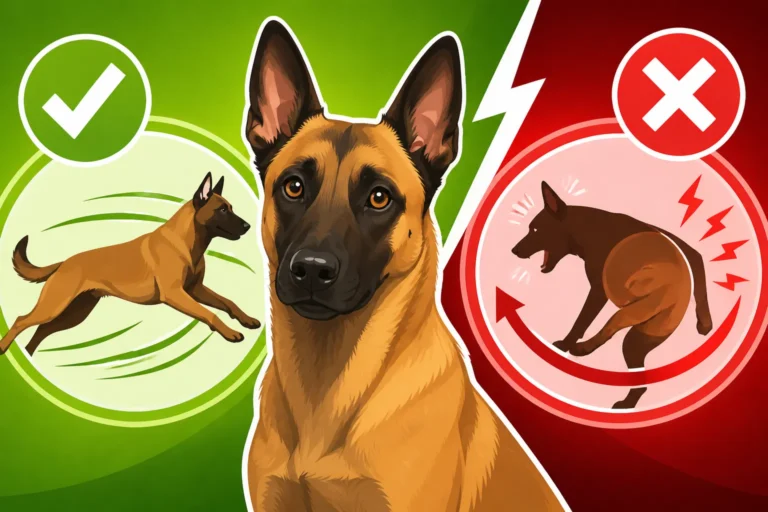
Watch closely for the physical cues your Malinois gives you. These aren't just about slowing down, but about how their body is handling the demands of their work. A slight hesitation on a jump they once cleared effortlessly, a stiffness after a long tracking session, or a decrease in their explosive power are all significant. Their gait might change, becoming less fluid, or you might notice a subtle lameness that wasn't there before, especially after strenuous activity. Arthritis is a common culprit, often manifesting in the hips, elbows, or spine, and it can become particularly noticeable when they're trying to retrieve a heavy object or navigate uneven terrain.
Another tell-tale sign is a prolonged recovery time. Where your Malinois once bounced back after a tough session, they might now be stiff for a day or two, or seem generally more tired than usual. This isn’t just normal fatigue; it’s an indication that their body is struggling to repair and recover. You might also notice weight loss or gain that’s difficult to manage, changes in coat quality, or even a decrease in their keen senses – perhaps they’re missing a scent article they would never have overlooked before, or their hearing isn't quite as sharp. These cumulative physical burdens can chip away at their ability to perform their duties safely and effectively, signaling that it's time to consider The Age a Working Malinois Starts to Slow.
Behavioral Shifts and Decreased Drive
Beyond the physical, pay close attention to changes in their enthusiasm and mental engagement. A working Malinois's drive is legendary; they live to work. So, when that drive starts to wane, it’s a huge red flag. They might show less interest in their equipment, like a vest or bite sleeve, or be less eager to jump into the patrol car. Their focus might drift more easily during training, or they might seem less intense in their approach to a task. This isn't laziness; it's often a sign of discomfort, mental fatigue, or even a loss of confidence in their own abilities.
Sometimes, these behavioral shifts can manifest as irritability or a lower tolerance for frustration. A dog that once handled the stress of a crowded trial or a complex search without batting an eye might now become easily overwhelmed or withdrawn. They might even display anxiety in situations they previously handled with ease. These subtle behavioral changes indicate that the mental and emotional demands of their job are becoming too much, and they're no longer finding the same joy or fulfillment in it. Understanding Signs a Belgian Malinois Is Slowing Down can help you differentiate between a temporary off day and a genuine need for a career change.
The Emotional Toll of Retirement on a Working Malinois
For a Belgian Malinois, work isn't just a pastime; it's their entire identity, their reason for being. This breed is hardwired for purpose, and suddenly removing that purpose can be profoundly disorienting and even distressing for them. We, as their handlers, need to understand this deep-seated need and approach retirement with empathy and a strategic plan to help them transition gracefully.
Understanding Their Need for Purpose
Imagine waking up one day and suddenly having no job, no responsibilities, no goals. For a human, that might sound like a vacation, but for a high-drive Malinois, it can be a nightmare. These dogs thrive on routine, structure, and the satisfaction of a "job well done." Their innate drives—prey drive, retrieve drive, defense drive—are powerful engines that have been carefully channeled and fulfilled through their working careers. When that outlet is removed, those powerful drives don’t just vanish; they can become misdirected, leading to frustration, boredom, and anxiety.
It's not about being "lazy" or "unmotivated" in retirement; it's about the fundamental wiring of the breed. They need to feel useful, to problem-solve, and to burn off mental and physical energy in a structured way. Simply turning them out into a yard to "be a dog" after years of intense work is often not enough. Their minds are still sharp, their bodies still capable (albeit with limitations), and they still crave that feeling of accomplishment. Our challenge is to redefine "purpose" for them in a way that respects their age and physical capabilities while still satisfying that core Malinois need.
Preventing Anxiety and Destructive Behaviors
The emotional void left by retirement can quickly manifest as behavioral issues if not addressed proactively. A Malinois that was once meticulously behaved might start exhibiting destructive chewing, incessant barking, pacing, or even house-soiling. These aren’t acts of defiance, but often symptoms of underlying anxiety, boredom, and stress. A dog accustomed to a high level of mental and physical stimulation will struggle immensely with a sudden lack of it. They might become hyper-vigilant, prone to agitation, or even depressed.
To prevent these issues, it's crucial to implement a gradual transition and introduce new, appropriate outlets before completely removing their old ones. This might mean shortening working sessions, reducing intensity, and slowly introducing novel activities that tap into their natural drives in a gentler way. Consistency in their daily routine, even a new one, is key to providing a sense of security. Consider starting them on some Puzzle Work for a Belgian Malinois Indoors to keep their minds engaged, as a sudden stop can be truly jarring for them. The goal is to fill the vacuum of their working life with positive, engaging alternatives that affirm their value and give them a renewed sense of purpose.
Crafting a Post-Retirement "Job" for Mental Stimulation
Just because your Malinois is retired doesn't mean their brain needs to be put out to pasture. In fact, keeping their minds sharp is one of the best ways to support their overall health and happiness in their senior years. The key is finding activities that tap into their innate drives and intelligence without putting excessive strain on their aging bodies.
Introducing Low-Impact Scent Work and Nose Games
Scent work is a fantastic "job" for a retired Malinois because it's incredibly mentally demanding but low-impact physically. Their powerful noses are still fully operational, and the focus required to discriminate scents and locate a target is deeply satisfying for them. You don't need fancy equipment or a formal club to get started. Simple hide-and-seek games with their favorite toy or a treat can be a great beginning. Start with easy hides in familiar rooms, gradually increasing the difficulty by hiding items in more complex environments or requiring them to search for longer periods.
You can use everyday items like cardboard boxes, towels, or even a designated "scent square" in the yard. Many retired police or detection dogs transition beautifully to this, as it leverages their existing skills without the physical demands of searching large areas or confronting suspects. Brands like K9 Nose Work offer accessible programs and kits that can guide you, making it a structured and engaging activity. This type of work helps reinforce their cognitive function and provides a valuable sense of accomplishment, similar to their former careers but on their terms. Consider starting them on Starting Scent Detection With a Belgian Malinois as a new adventure.
Engaging Their Minds with Puzzle Toys and Training Refreshers
Beyond formal scent work, there’s a whole world of puzzle toys and enrichment activities that can keep your retired Malinois’s brain buzzing. These range from simple Kongs stuffed with peanut butter or kibble to more elaborate interactive feeders that require multiple steps to release treats. These toys turn mealtime into a mental challenge, slowing down eating and engaging their problem-solving skills. Rotate toys frequently to keep things novel and exciting, preventing boredom.
Don't underestimate the power of revisiting basic obedience or learning new, simple tricks. Short, positive training sessions, perhaps 5-10 minutes a few times a day, can reinforce their bond with you and provide valuable mental exercise. Teach them a new trick like "put your toys away" or "bow" – something low-impact and fun. These refreshers aren't about perfecting a competition routine; they're about engagement, communication, and the joy of learning together. It’s about keeping their cognitive wheels turning and reminding them that they're still capable, intelligent partners.
Tailoring a New Exercise Regimen for Senior Malinois
The intensity of exercise needs a significant overhaul when a working Malinois retires. Pushing them beyond their physical limits can lead to injury, unnecessary pain, and a faster decline in their quality of life. The goal shifts from peak performance to comfortable maintenance and preserving mobility.
Gentle Walks and Controlled Movement
Long gone are the days of grueling multi-mile runs or high-impact agility courses. For a retired Malinois, exercise should be about maintaining muscle tone, joint flexibility, and cardiovascular health without overexertion. Think shorter, more frequent walks on soft surfaces like grass or dirt trails, rather than pavement. These walks should be leisurely, allowing them to sniff and explore at their own pace, which offers both physical and mental stimulation. Pay close attention to their comfort level; if they start to lag, show stiffness, or pant excessively, it's time to head home.
In addition to walks, controlled movement exercises can be incredibly beneficial. This might include gentle stretches, slow figure-eights, or walking over low cavaletti poles to encourage mindful limb placement and improve proprioception. Swimming, if accessible and safe, is another excellent low-impact option that builds muscle without stressing joints. The buoyancy of the water provides resistance without impact, making it ideal for dogs with arthritis or recovering from old injuries. It’s about quality of movement over quantity, and always with an eye on their comfort.
Therapeutic Activities and Joint Support
For many retired working Malinois, therapeutic activities become an essential part of their daily routine. Canine physical therapy, often overseen by a certified professional, can include things like underwater treadmills, therapeutic massage, passive range of motion exercises, and even acupuncture or laser therapy. These interventions can help manage pain, improve flexibility, and slow the progression of age-related conditions like arthritis. A specialist can also teach you exercises you can do at home to continue their therapy.
Beyond professional therapy, incorporating joint support supplements into their diet is often recommended. Glucosamine, chondroitin, MSM, and Omega-3 fatty acids are common ingredients aimed at reducing inflammation and supporting cartilage health. While supplements aren't a cure-all, they can contribute significantly to comfort and mobility. Brands like Cosequin or Dasuquin are widely recognized for their joint support products. Discuss these options with your vet to find the best regimen for your individual dog. Understanding Joint Supplements for a Working Belgian Malinois is crucial for their long-term comfort.
| Activity Type | Pre-Retirement (Working Dog) | Post-Retirement (Senior Dog) | Focus |
|---|---|---|---|
| Daily Exercise | 2+ hours high-intensity (running, bite work, SAR) | 30-60 min gentle walks, controlled movement | Endurance, speed, strength vs. Mobility, comfort, mental enrichment |
| Mental Engagement | Structured training, complex problem-solving in job context | Low-impact scent work, puzzle toys, short training refreshers | Task completion, problem-solving under pressure vs. Cognitive stimulation, enjoyment |
| Physical Therapy | Injury prevention, conditioning | Pain management, flexibility, slowing joint degeneration | Peak performance recovery vs. Quality of life preservation |
| Diet | High-calorie, performance-oriented | Lower calorie, senior-specific, joint-supportive | Fueling intense activity vs. Healthy aging, weight management |
| Rest | Active recovery | Deep, uninterrupted rest, comfortable sleeping arrangements | Regenerating for next session vs. Overall well-being, pain relief |
Nutritional Adjustments for the Retired Malinois
Just as their activity levels change, so too should their diet. A retired Malinois no longer burns the same astronomical number of calories as their working counterparts, and their nutritional needs shift to support aging bodies. Getting this right is critical to maintaining a healthy weight and overall well-being.
Switching to a Senior-Appropriate Diet
The most common mistake owners make with retired working dogs is continuing to feed them the same high-performance kibble they ate during their prime. This can quickly lead to unwanted weight gain, putting extra strain on already sensitive joints and increasing the risk of other health issues. A senior-specific dog food is usually formulated with fewer calories, slightly lower protein (unless otherwise indicated by your vet for specific health conditions), and often contains added ingredients beneficial for older dogs, such as joint support and easily digestible fibers.
Transitioning to a new food should be done gradually over 7-10 days to avoid stomach upset. Start by mixing a small amount of the new food with their old food, slowly increasing the proportion of the new food each day. Monitor their weight closely and adjust portion sizes as needed. Every Malinois is an individual, so what works for one might not be perfect for another. Your vet can provide specific recommendations based on your dog's current health, body condition, and any pre-existing medical conditions. This is an important step in Feeding a Retired Belgian Malinois.
Supplements for Joint Health and Cognitive Function
While a good senior diet will often include some beneficial ingredients, supplementation can play an even more targeted role in supporting a retired Malinois. We've already touched on joint supplements like glucosamine and chondroitin, but it's worth reiterating their importance. As cartilage breaks down with age and wear, these supplements can help maintain joint fluidity and reduce inflammation, making daily movement more comfortable. Omega-3 fatty acids, often derived from fish oil, are powerful anti-inflammatories that benefit not only joints but also skin, coat, and cognitive function.
Beyond physical support, consider supplements aimed at cognitive health. As dogs age, some experience a decline in cognitive function, similar to dementia in humans, known as Canine Cognitive Dysfunction (CCD). Ingredients like medium-chain triglycerides (MCTs) found in coconut oil, antioxidants like Vitamin E, and specific brain-supporting nutrients can help maintain brain health and improve alertness and memory. Again, always consult your veterinarian before adding any supplements to your dog's regimen. They can help you identify quality products and ensure they don't interact negatively with any existing medications or conditions.
Managing Health Concerns in an Aging Working Malinois
An aging Malinois, especially one that has had a demanding career, requires a proactive and attentive approach to healthcare. Regular veterinary care becomes even more critical for early detection and management of age-related conditions.
Regular Veterinary Check-ups and Proactive Care
Once your Malinois hits their senior years (typically around 7-8 years old for a large, active breed), semi-annual or even quarterly veterinary check-ups are highly recommended. These visits are vital for catching subtle changes that might indicate an underlying health issue. Your vet will perform a thorough physical exam, paying close attention to joint mobility, dental health, heart and lung sounds, and palpating for any unusual lumps or bumps. They may also recommend routine bloodwork, urinalysis, and sometimes even thyroid checks as part of their The Bloodwork a Working Malinois Should Have Annually to establish baselines and detect problems like kidney disease, liver issues, or Hypothyroidism and a Malinois That Loses Drive early.
Proactive care also includes a robust parasite prevention program, regular dental cleanings (often under anesthesia), and staying up-to-date on vaccinations appropriate for their lifestyle. Dental health, in particular, often gets overlooked but can significantly impact overall health, as gum disease can lead to systemic infections. By maintaining these regular appointments and acting on your vet's advice, you can address potential issues before they become severe, ensuring a higher quality of life for your retired partner.
Addressing Common Ailments in Senior Malinois
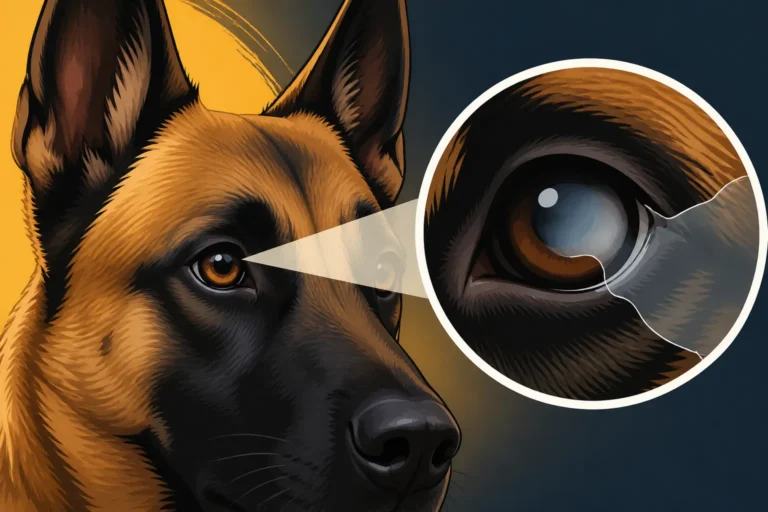
Retired Malinois, like all senior dogs, are prone to a range of age-related conditions. Arthritis is almost universal to some degree, and its management involves a multi-modal approach combining medication (NSAIDs), supplements, physical therapy, and weight management. Keep an eye out for limping, difficulty standing up or lying down, or reluctance to use stairs. Another common issue is declining vision and hearing. While not always painful, these sensory losses can impact their confidence and ability to navigate their environment. Simple adaptations around the home, like keeping furniture in consistent locations, can help.
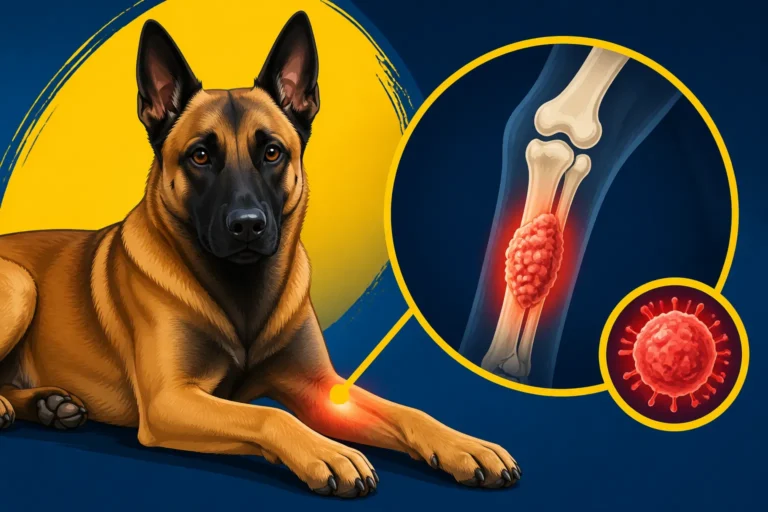
Cancers, such as hemangiosarcoma or osteosarcoma, are unfortunately more prevalent in older dogs, and regular vet checks are crucial for early detection. Be diligent about checking for new lumps or bumps and have any suspicious ones aspirated or biopsied promptly. Other conditions might include kidney disease, heart conditions (like murmurs), or even Canine Cognitive Dysfunction, as mentioned earlier. Being aware of the common ailments, understanding their symptoms, and working closely with your vet will empower you to provide the best possible care during these precious later years. If your Malinois experiences something like a sudden limping, remember that even minor injuries like a torn toe can be more significant in an aging dog.
Creating a Comfortable and Safe Home Environment
After years of intense work and often austere working conditions, your retired Malinois deserves a home environment that prioritizes their comfort, safety, and peace of mind. Thoughtful adaptations can make a huge difference in their daily life.
Adapting the Home for Reduced Mobility
As your Malinois ages, their mobility will likely decrease. They might struggle on slippery floors, have difficulty climbing stairs, or find it hard to get in and out of the car. Making simple adjustments to your home can prevent injuries and reduce their frustration. For slick floors, consider placing runners, carpets, or non-slip mats in high-traffic areas. This provides much-needed traction and helps them feel more secure. If stairs are an issue, consider blocking access or carrying smaller dogs, but for a Malinois, ramps are often a better solution. Ramps can also be invaluable for getting them into vehicles without strenuous jumping, protecting their joints.
Invest in orthopedic dog beds with good support to cushion their joints and ease pressure points. There are fantastic options available that are designed specifically for older, larger breeds, often with memory foam or other supportive materials. Placing these beds in quiet, accessible areas where they won't be disturbed is also important. As their senses decline, they might startle more easily, so a predictable, comfortable resting spot is crucial. Ensuring they have Beds an Arthritic Malinois Can Get Out Of can significantly improve their quality of rest.
Ensuring Mental Peace and Quiet
A working Malinois might have been accustomed to high-stimulus environments, but in retirement, an overly chaotic home can be stressful for them. As their hearing and vision diminish, they can become more easily startled or disoriented. Create designated quiet zones in your home where they can retreat from household activity, loud noises, or boisterous children or other pets. A crate draped with a blanket, a separate room, or a cozy corner can provide a safe haven.
Maintain a consistent daily routine. predictability is comforting for older dogs, especially those with declining senses or cognitive changes. Regular feeding times, walk schedules, and bedtime rituals help them feel secure and reduce anxiety. Limit sudden changes in their environment or routine where possible. Remember, they’ve spent their lives on high alert, so a calm, stable, and predictable home life is the best gift you can give them in their golden years, allowing them to truly relax and feel safe without the constant demands of their working past.
The Financial Reality of Senior Malinois Care
Caring for an aging working Belgian Malinois is an act of love, but it also comes with significant financial considerations. Being prepared for these costs can alleviate stress and ensure you can provide the best possible care without compromise.
Anticipating Increased Vet Expenses
One of the most substantial financial impacts of a senior Malinois is the inevitable increase in veterinary expenses. As we discussed, older dogs require more frequent check-ups, potentially more extensive diagnostic tests (like blood panels, X-rays, or even MRIs for orthopedic or neurological issues), and often long-term medications for conditions like arthritis, heart disease, or cognitive dysfunction. These medications, from daily NSAIDs to specialized heart medications, can add up quickly over weeks, months, and years. Additionally, procedures like regular dental cleanings or specialist consultations for geriatric issues can be costly.
It's wise to start setting aside a "senior pet fund" well before your Malinois reaches their golden years. Even a small amount saved each month can provide a crucial buffer when unexpected health issues arise. Many owners find it helpful to discuss potential future costs with their veterinarian so they can budget accordingly. Proactive care, while seeming expensive in the short term, can often prevent more costly emergency interventions down the road.
Exploring Insurance Options and Financial Planning
Pet insurance can be a lifesaver for owners of working dogs, and this continues to be true, if not more so, in retirement. While many policies won't cover pre-existing conditions, if you enroll your Malinois early, before age-related ailments manifest, a good policy can significantly offset the costs of accidents, illnesses, surgeries, and even some therapies throughout their senior years. Plans vary widely, so it's important to research what they cover, their deductibles, reimbursement percentages, and annual limits.
Brands like Healthy Paws are known for comprehensive coverage that can help manage the financial burden of unexpected vet bills. Having a plan from a reputable provider like Healthy Paws can give you peace of mind, knowing that you won't have to make care decisions based solely on cost. Beyond insurance, other financial strategies might include exploring payment plans offered by veterinary clinics, looking into veterinary care credit cards, or investigating charitable organizations that offer assistance for specific conditions. Planning ahead, even for something as robust as a Belgian Malinois, is the key to ensuring you can provide unwavering care during their well-deserved retirement. What Pet Insurance Runs on a Working Malinois can often vary, so getting quotes is essential.
Disclaimer
This guide provides general information for informational purposes only and does not constitute veterinary advice. Always consult with a qualified veterinarian regarding the health, treatment, and care of your Belgian Malinois, especially when making decisions about retirement and ongoing medical management.