Whether Dutch Bred Malinois Differ From Belgian Ones
One of the most common questions I hear from aspiring Belgian Malinois owners, and even experienced handlers, is whether there's a real difference between a "Dutch Malinois" and a "Belgian Malinois." It’s a valid point of confusion, stemming from the breed's history and the distinct approaches to working dog breeding in neighboring countries. This guide will help unravel those distinctions, helping you understand the nuances that contribute to the unique traits found in Malinois lines across the borders.
The Shared Roots: A Single Breed, Different Breeding Philosophies
It's easy to assume that if a dog is called a Belgian Malinois, it must come from Belgium. While the breed's origins are undeniably Belgian—named after the city of Malines, or Mechelen, in Belgium, as discussed in The Belgian Town the Malinois Is Named After—the story of its development, especially for working lines, extends beyond its national borders. The Malinois is just one of The Four Belgian Varieties the Malinois Belongs To, all sharing a common shepherd dog ancestry. Initially, these dogs were valued for their herding ability, a core function for which the Belgian Malinois was bred.
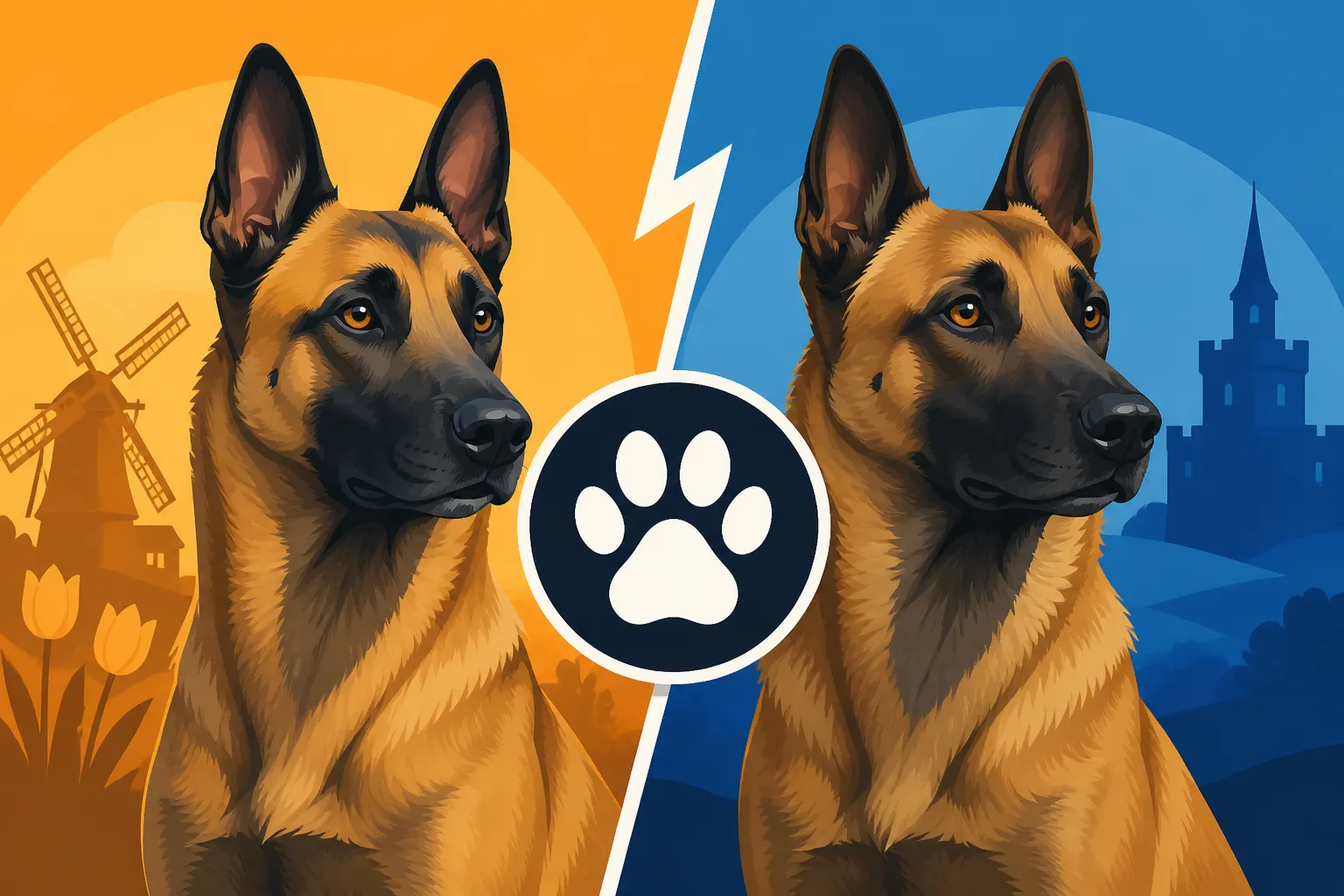
The confusion arises because while genetically they are the same breed, different countries have cultivated distinct breeding philosophies and selection criteria over decades. Think of it like a specific type of plant that grows in different regions; it's still the same plant, but the soil, climate, and cultivation methods in one region might make its fruit slightly larger, sweeter, or more resilient than in another. For Malinois, it's about the "cultivation" of specific traits for particular working roles.
In Belgium, while there has always been a focus on working ability, a balance was often struck with conformation and overall breed type as defined by the standard. Breeders sought dogs that could perform tasks reliably while still embodying the physical characteristics of the breed. This isn't to say Belgian-bred Malinois aren't intense; they absolutely are. But the emphasis, broadly speaking, could be seen as slightly more diverse, encompassing various disciplines including sport, police work, and even maintaining a connection to the original herding roots. The aim was a versatile dog.
Conversely, the Netherlands, specifically through the KNPV (Royal Dutch Police Dog Association) program, began to select Malinois almost exclusively for very specific and demanding police and protection work. This wasn't about creating a different breed, but rather hyper-focusing on certain genetic traits that produced the most effective K9s for their rigorous program. They prioritized extreme drive, exceptional courage, high pain tolerance, and unwavering environmental stability above all else. This intensely practical approach meant that a dog's outward appearance was secondary to its functional ability. If a dog could perform, it was bred, regardless of minor deviations from a show ring standard. This relentless selection process for specific working attributes over many generations has created a distinguishable "type" within the broader Malinois breed.
The KNPV Influence: Where the "Dutch" Malinois Type Emerged
When people talk about a "Dutch Malinois," they are almost always referring to a Malinois bred specifically for or from KNPV lines. This program is legendary for its stringent testing and brutal selection process, designed to produce dogs capable of the most extreme police and protection work imaginable. It's not just about a dog being able to bite; it's about a dog that can perform under immense pressure, in chaotic environments, with unwavering focus and tenacity. What the KNPV Program Selects For in a Malinois is a deep dive into just how demanding this is.
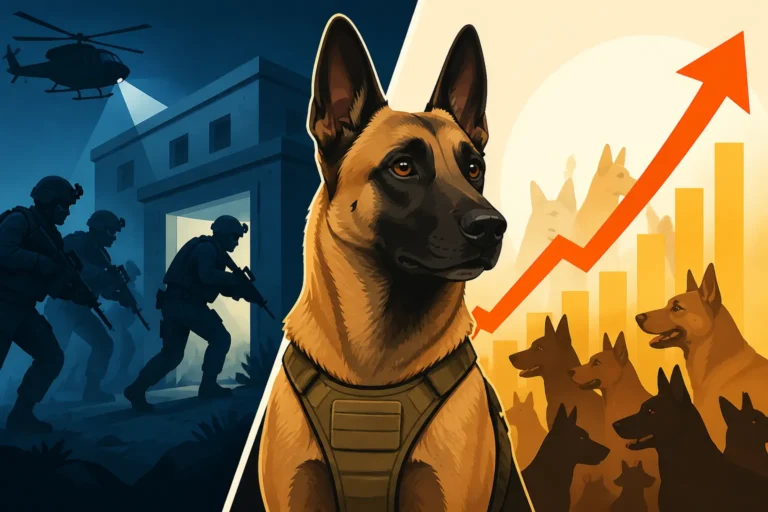
The Dutch police, at a certain point, began to recognize the exceptional qualities of the Belgian Malinois, particularly its athleticism, intelligence, and high drive. They started importing these dogs and then selectively breeding them within their own KNPV framework, focusing intensely on the traits most desirable for police service. This is why Why Dutch Police Turned to the Malinois is such an important historical point. The result was not a new breed, but a highly specialized line of Malinois.
Understanding KNPV Selection and Its Impact
The KNPV program isn't for the faint of heart, for dogs or handlers. Dogs are tested in real-world scenarios designed to push them to their limits, assessing nerve strength, prey drive, fight drive, and courage. They must navigate treacherous environments, ignore extreme distractions, and perform protection work with unparalleled intensity and control. This means that only dogs with truly exceptional genetics for these traits make it into the breeding pool.
- Extreme Drive: KNPV lines are renowned for their almost limitless drive. These aren't dogs that are content with a walk around the block or a game of fetch in the yard once a day. They need a job, a purpose, and constant mental and physical engagement. For a new owner, this can be overwhelming if not properly prepared for.
- Hard Nerves: Dogs from these lines are typically very stable in difficult environments. They are less likely to be fazed by loud noises, strange surfaces, or chaotic situations. This trait is crucial for police work where adaptability and resilience are paramount.
- Physicality: While the KNPV program doesn't specifically breed for physical aesthetics, the demands of the work naturally favor dogs with incredible athleticism, speed, agility, and a robust physical constitution. They are often leaner, more compact, and incredibly powerful for their size.
- Genetic Bottleneck: This intense selection has, in some ways, created a genetic bottleneck, concentrating the desired working traits. While this leads to highly effective working dogs, it can also mean that dogs from these lines are less suitable for typical pet homes due to their extreme requirements.
This single-minded focus has led to a reputation for the "Dutch Malinois" (meaning KNPV line Malinois) being "harder," "more intense," and having "more drive" than some other Malinois lines. It's a generalization, of course, as there's always variation within any population, but the selective pressure of the KNPV program is undeniable in shaping the characteristics of dogs produced within its sphere.
Are There Visible Differences? Conformation vs. Function
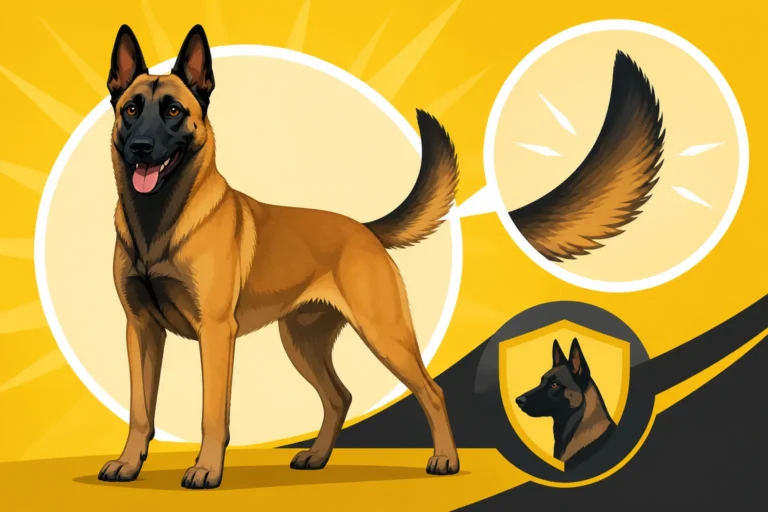
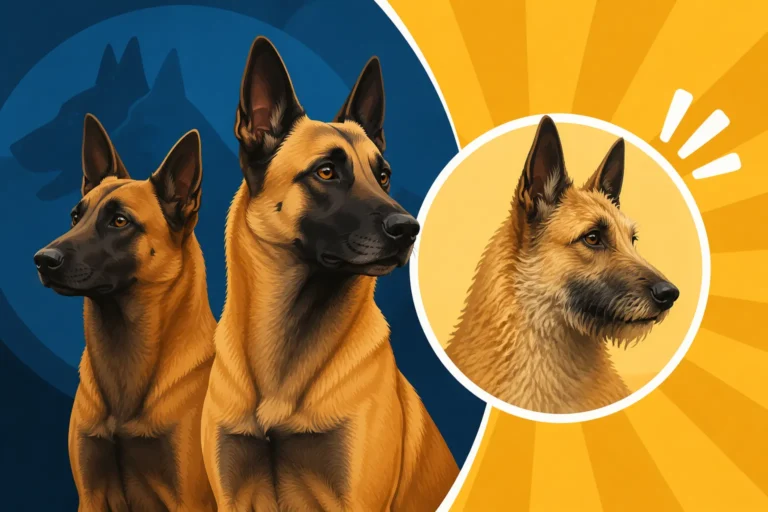
So, if they're the same breed, do they look different? Not in a way that would make them unrecognizable as Malinois. They still possess the short, fawn coat with a black mask, the erect ears, and the athletic build typical of the breed. However, the different breeding focuses can lead to subtle variations.
| Feature | Traditional Belgian Malinois (Diverse Lines) | KNPV/Dutch Malinois (Specialized Working Lines) |
|---|---|---|
| Primary Focus | Balance of conformation (breed standard) and working ability | Extreme working ability (drive, nerves, courage) for police/protection |
| Temperament (General) | High drive, intelligent, eager to please, can be intense; often more handler-sensitive | Exceptionally high drive, harder nerves, less handler-sensitive, relentless |
| Physical Build | Athletic, well-muscled, adheres closely to breed standard for structure | Very athletic, often leaner, compact, powerful; structure secondary to function |
| Prey/Fight Drive | Strong, but balanced with other drives | Extremely strong, often higher levels of fight drive |
| Environmental Stability | Good, typically adaptable | Outstanding, highly resilient to stress and distractions |
| Suitability for Pet Homes | Still demanding, but some lines may be more manageable | Generally unsuitable due to extreme drive and training requirements |
It's important to understand that these are broad generalizations. You can find Belgian-bred Malinois that are every bit as intense and hard-wired for protection work as any KNPV dog. Conversely, some KNPV lines might produce dogs that are slightly softer, though still far more driven than your average family pet. The distinction is more about the prevalence of certain traits due to systematic selective breeding.
For a breeder selecting two Ataxia carrier Malinois, understanding these nuances becomes critical for responsible breeding, as detailed in Breeding Two Ataxia Carrier Malinois. The goal is always to produce healthy, stable dogs that fulfill their intended purpose.
The Appearance Argument
In some lines specifically bred for show, you might see a slightly heavier bone structure or a more refined head, as these characteristics are valued in the conformation ring. However, even these show lines maintain a high degree of athleticism – a Malinois that can't move properly wouldn't win ribbons.
KNPV dogs, while still looking like Malinois, might sometimes have a "coarser" appearance to some eyes, simply because their functional ability was prioritized. A dog with a slightly less "pretty" head, but nerves of steel and an unbreakable bite, would be chosen over a dog with perfect aesthetics but less drive. This isn't a flaw; it's a testament to their purpose. Whether a Malinois Is Faster Than a Shepherd touches on the physical attributes valued in working dogs.
When you're Reading a European Belgian Malinois Pedigree, you'll often see KNPV titles like PH1 or PH2 prominently displayed, signaling that those ancestors were proven within that highly specialized program. This is your clearest indicator of the "Dutch" type influence, regardless of the physical location of the breeder.
Impact on Modern Working Dogs and Pet Ownership
The distinction between Dutch-bred (KNPV-influenced) and Belgian-bred (more diverse lines) Malinois is incredibly important for anyone looking to acquire one of these dogs, whether for sport, service, or as a very active companion. Working Malinois Against Show Malinois highlights this crucial division.
For Working and Sport Enthusiasts
If you are a serious sport competitor in IGP, Ring Sport, or a professional looking for a police or military K9, understanding these lines is paramount. A KNPV-heavy pedigree is often sought after for its proven track record of producing dogs with extreme drives and nerve. These dogs are purpose-built and excel in high-pressure environments. They often require handlers with extensive experience in working dogs, and specific training methodologies that match their intensity. What a KNPV Program Puts a Belgian Malinois Through gives a glimpse into the kind of intensity these dogs are prepared for.
Choosing a dog from these lines means committing to an extremely demanding lifestyle. These dogs need jobs. They thrive on structured training, intense physical exercise, and constant mental stimulation. Without it, they can become destructive, anxious, or even develop behavioral problems. They are not suitable for novice owners or those looking for a casual companion.
For Potential Pet Owners
For the average family considering a Malinois as a pet, the distinction is even more critical. A KNPV-bred Malinois, while undeniably impressive, is almost certainly the wrong choice for a typical pet home. Their drives are simply too high, their needs too great, and their intensity too much for most people to manage. Whether a Belgian Malinois Belongs in a Pet Home delves into this reality.
Even a Malinois from more diverse Belgian lines, not specifically KNPV-focused, is still an incredibly challenging dog. They are intelligent, demanding, and require significant commitment. They are not dogs that can be ignored, left alone for long periods without stimulation, or simply given a big yard to "run off energy" in. This is a common misconception, and it's Why So Many Belgian Malinois Are Rehomed.
When looking for a Malinois, regardless of its country of origin, it's vital to:
- Research the Breeder's Goals: What are they breeding for? Conformation? Specific sports? Detection work? The clearer their program's focus, the better you can assess if it aligns with your lifestyle.
- Understand the Pedigree: Look for titles. If you see KNPV titles, understand what that implies about the dog's likely temperament and drive. A reputable breeder will be transparent about this.
- Meet the Parents: Observe the temperament of the sire and dam. Are they frantic? Overly excitable? Or do they have an "off switch" and can settle when not working? This provides crucial insight into what your puppy might inherit.
- Be Honest About Your Lifestyle: Do you have 2+ hours daily for dedicated training and exercise? Are you committed to ongoing mental stimulation? Can you provide a job for your dog? If the answer is anything less than a resounding "yes," a Malinois might not be the right fit. For specific needs, like finding a high-quality, durable tug toy or performance-grade kibble that can withstand a Malinois's intensity, online retailers like Chewy offer a vast selection.
Ultimately, while there might be subtle stylistic differences or a generalized reputation for higher intensity in KNPV-influenced lines, both "Dutch" and "Belgian" Malinois are still members of the same incredibly driven and demanding breed. The key isn't their geographical origin, but rather the specific breeding goals and selection pressures that have shaped their individual lines. Choose wisely, and be prepared for a lifetime of commitment to one of the most remarkable working breeds on the planet.
Equipping Yourself for an Intense Companion
Bringing a Malinois into your life, regardless of whether its lines are predominantly Belgian or heavily influenced by KNPV, means preparing for a dog that needs more than just basic care. These dogs are athletes and thinkers, and they require tools and resources that match their drive and intelligence. This often means investing in specific types of equipment, training aids, and even dietary considerations.
For instance, finding toys that can withstand the incredible bite strength and relentless play of a Malinois can be a challenge. Standard chew toys might last minutes, not hours. Looking for high-quality, durable toys, often made from specialized rubber or industrial-grade materials, becomes a necessity. Similarly, their high energy output often means they benefit from performance-oriented dog foods designed to support active dogs. Many owners find that shopping at specialized pet supply sites, like Chewy, allows them to access a wider range of these specific products, from tough toys to high-protein kibbles, that local stores might not stock. It’s not just about getting any dog food or any toy; it’s about getting the right ones to meet the unique demands of this breed.
Beyond physical items, equipping yourself means having the right mindset. You'll need to learn about different training methodologies, understand the nuances of drive, and be prepared to seek out experienced mentors and training clubs. For example, understanding What Bite Sport Actually Asks of a Belgian Malinois will give you a clearer picture of the kind of dedication required if you go that route. These dogs thrive on structure and consistency, and your ability to provide that is just as important as any physical item you buy. They need a handler who is as committed and intelligent as they are, someone who can anticipate their needs and channel their immense energy into productive outlets.
When you bring a Malinois home, you are embarking on a journey with a partner who will challenge and amaze you. Understanding the lineage and breeding philosophy behind your dog, whether it leans towards traditional Belgian utility or specialized Dutch KNPV work, empowers you to provide the most appropriate environment, training, and care, ensuring a fulfilling life for both of you.
Disclaimer
This article is for general informational purposes only and does not constitute professional advice. Laws, prices and regulations vary by location and change over time. Consult a qualified professional for guidance on your specific situation.