Lymph Node Swelling in a Belgian Malinois
Finding a lump or bump on your highly active, constantly moving Belgian Malinois can send any owner’s heart racing. That knot of worry in your stomach is entirely valid; our Mals are so robust and full of drive, it’s easy to assume they’re invincible, making any unexpected physical change particularly alarming. This comprehensive guide is here to walk you through what lymph node swelling in a Belgian Malinois means, what to look for, and when it’s time to call your veterinarian.
Understanding Your Malinois's Lymph Nodes
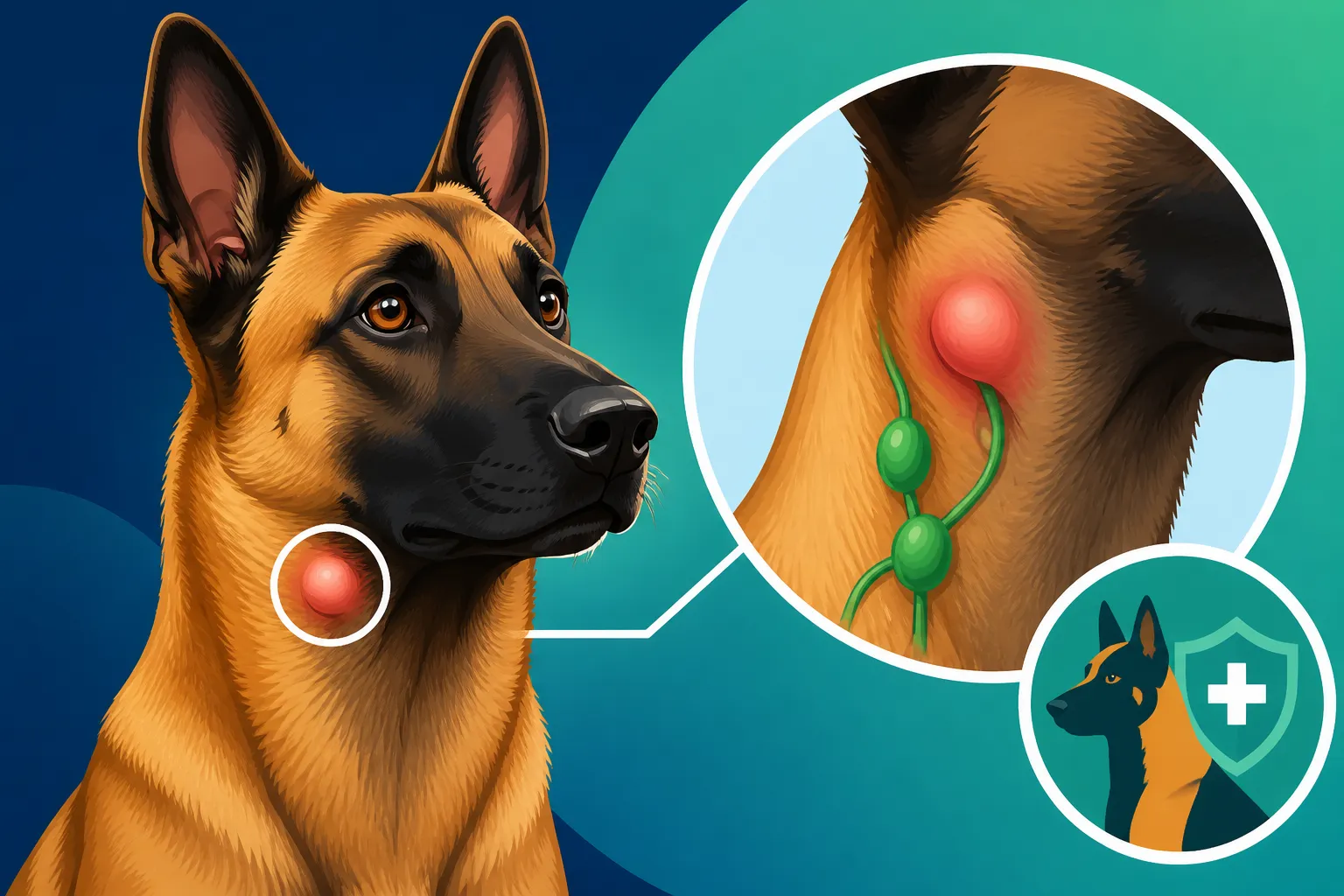
When you feel a swollen lymph node on your Malinois, it's often an immediate cause for concern, and rightly so. But before we dive into the "why" and "what next," let's demystify these small but mighty components of your dog's immune system. Think of lymph nodes as tiny, bean-shaped patrol stations scattered throughout your Malinois's body, especially concentrated near major joints and organs. Their job is to filter lymph fluid, which carries waste, nutrients, and immune cells, effectively catching any unwanted invaders like bacteria, viruses, or even abnormal cells.
The Lymphatic System's Role
The lymphatic system is a silent hero, working tirelessly behind the scenes to keep your Belgian Malinois healthy. It's an intricate network of vessels, tissues, and organs that includes not just the lymph nodes, but also the spleen, tonsils, and bone marrow. This system is crucial for fluid balance in the body, fat absorption, and, most importantly, immune defense. When your Malinois is exposed to an infection or anything else that triggers an immune response, these lymph nodes kick into high gear, producing more white blood cells to fight off the threat. This increased activity often leads to them becoming noticeably larger and firmer.
Imagine your Malinois, always eager for adventure, perhaps getting a minor scrape during a rigorous training session or during a run in the woods. Bacteria could enter that small wound. The nearest lymph node, acting like a vigilant guard, would swell as it gathers immune cells to combat that localized infection, preventing it from spreading further into the body. This is a normal, healthy response, but knowing where to check is key to early detection.
Where to Find Palpable Lymph Nodes
While there are hundreds of lymph nodes in a dog's body, only a few are typically palpable (meaning you can feel them) when they're healthy and of normal size. It's a good practice to routinely check these areas on your Belgian Malinois, so you know what "normal" feels like. This way, any deviation will be much more obvious.
The most commonly felt lymph nodes are:
- Mandibular Lymph Nodes: Located under the jaw, on either side of the throat. These are often the easiest to feel and are usually about the size of a small grape in a healthy Malinois.
- Prescapular (or Superficial Cervical) Lymph Nodes: Situated just in front of the shoulder blade, on either side of the neck.
- Popliteal Lymph Nodes: Found on the back of the hind leg, just behind the knee joint (stifle).
- Axillary Lymph Nodes: Located in the "armpit" area, though these are often harder to distinguish unless significantly enlarged.
- Inguinal Lymph Nodes: Found in the groin area, where the hind leg meets the body. Like the axillary nodes, these can be tricky to palpate when healthy.
Regularly, gently run your fingers over these areas. You’re looking for symmetrical, soft, and movable nodes that aren't tender. A quick check during grooming or a cuddle session can become part of your routine. If your Malinois is a working dog, prone to minor injuries like Pad Injuries on a Belgian Malinois in Training, keeping an eye on the regional lymph nodes for swelling is even more critical.
Why Lymph Nodes Swell
When you feel those lymph nodes become larger or firmer than usual, it’s a sign that your Malinois’s immune system is actively responding to something. The cause can range from a very minor issue to something far more serious. It's like an alarm bell ringing, and your job, with your vet, is to figure out what set it off.
Infections and Inflammatory Conditions
The most common reason for swollen lymph nodes is an infection. This could be anywhere in the body, but the regional lymph nodes closest to the infection site will often be the first to react.
- Bacterial Infections: Think about a simple cut or scrape on your Malinois’s face, an infected tooth, or even an ear infection. The mandibular lymph nodes, for instance, might swell significantly if there's a dental issue or an infection in the mouth or throat. A deep puncture wound on a paw could cause the popliteal nodes to enlarge. Your Malinois is incredibly tough, often shrugging off minor discomforts, so it’s up to you to notice these subtle signs.
- Viral Infections: Just like in humans, viral infections such as kennel cough or even canine distemper can cause a more generalized lymph node swelling, affecting multiple nodes throughout the body as the immune system works hard to fight off the virus.
- Fungal Infections: In certain geographic areas, fungal infections can be a concern. These can sometimes cause stubborn, persistent lymph node enlargement, often requiring specific diagnostic tests and long courses of treatment.
- Parasitic Infections: Less common for direct lymph node swelling, but severe parasitic infestations can sometimes trigger a systemic immune response.
- Allergies and Autoimmune Diseases: Sometimes, lymph nodes can swell not due to an outside invader, but due to the body’s own overactive immune response. Severe allergies, for example, can cause chronic inflammation that might lead to palpable nodes. Autoimmune diseases, where the body mistakenly attacks its own tissues, can also manifest with lymphadenopathy (the medical term for swollen lymph nodes). For instance, conditions like pannus, an autoimmune eye disease common in Malinois and discussed in articles like Treating Pannus in a Belgian Malinois for Life, are a prime example of systemic immune responses.
In these scenarios, the swelling is typically a temporary reaction. Once the underlying infection or inflammation is successfully treated, the lymph nodes should gradually return to their normal size. However, this process can take weeks, even after the dog seems to have recovered.
Cancerous Conditions
This is often the fear that grips us when we discover a swollen lymph node, and it's a valid one. Lymphoma is a type of cancer that originates in the lymphatic system itself, causing one or many lymph nodes to become significantly enlarged and firm. It's one of the most common cancers in dogs, and while it can affect any breed, proactive awareness is always best.
- Lymphoma: This cancer can appear in a single node or be widespread. In many cases, the only initial symptom a Malinois owner might notice is the unexplained swelling of one or more palpable lymph nodes, often without any other obvious signs of illness. Given their high drive and stoicism, a Malinois might not show lethargy or loss of appetite until the disease is quite advanced. It's critical to remember that not all lymphoma cases present in the same way, and early detection offers the best prognosis.
- Metastatic Cancer: Lymph nodes can also swell if cancer from another part of the body spreads to them. For example, if your Malinois has a tumor elsewhere, say on the skin, nearby lymph nodes might become enlarged as they try to filter out and fight the cancerous cells traveling through the lymphatic fluid. This is often an indicator that the cancer has begun to metastasize. An article on The Bleeding Tumor That Kills an Older Malinois might offer further insight into aggressive cancers that can spread.
It’s easy to jump to the worst conclusion, but it’s crucial not to panic. Many swollen lymph nodes are benign. The important step is to get a professional veterinary assessment to determine the true cause.
When to Worry and Seek Veterinary Care
While a swollen lymph node is always a reason to pay attention, not every instance warrants an emergency dash to the vet. However, knowing the subtle differences can help you make an informed decision and ensure your Malinois gets the care they need promptly.
Distinguishing Benign from Concerning Swelling
You're looking for clues beyond just the size. The characteristics of the swollen lymph node, along with any other symptoms your Malinois might be showing, are vital.
Here’s a table that might help you differentiate:
| Characteristic | Potentially Benign Swelling | Potentially Concerning Swelling |
|---|---|---|
| Size | Mild to moderate enlargement, often proportional to local issue. | Significant, often rapid enlargement. |
| Consistency | Softer, somewhat pliable, or slightly firm. | Very firm, hard, sometimes "rock-like." |
| Mobility | Usually movable under the skin. | May feel fixed or adhered to surrounding tissue. |
| Pain/Sensitivity | Often tender to the touch, especially if infected. | May or may not be painful. Lymphoma nodes are often painless. |
| Number of Nodes | Often one or two regional nodes near a local problem. | Can be generalized (many nodes swollen) or a single node. |
| Associated Symptoms | Localized redness, heat, discharge, fever. | Weight loss, lethargy, decreased appetite, coughing, vomiting, pale gums, unexplained bleeding. |
| Duration | Recedes after a few days to weeks with treatment. | Persists or continues to grow, even with no apparent cause. |
If your Malinois has just had a booster shot, a mild swelling in the prescapular node might be a normal immune response, not something to lose sleep over. Similarly, a minor abrasion on a paw could explain a popliteal node reacting. However, if you find a large, hard, non-painful lump under your Malinois’s jaw with no obvious local infection, that's a different story and definitely calls for immediate veterinary attention. These tough dogs sometimes hide discomfort incredibly well, so pay close attention to any subtle behavioral changes.
Accompanying Symptoms That Demand Attention
Beyond the characteristics of the node itself, look for other signs your Malinois is unwell. These "B symptoms" are often associated with systemic illness, including certain cancers like lymphoma:
- Unexplained Weight Loss: Your Malinois is usually a lean, energetic machine. If they’re losing weight without a change in diet or exercise, it’s a major red flag.
- Lethargy or Decreased Activity: For a Belgian Malinois, being truly lethargic is a significant indicator that something is wrong. They live to work and move; a sudden drop in their usual boundless energy demands investigation.
- Loss of Appetite or Refusal to Eat: While some Mals are picky, a consistent refusal to eat or a significant decrease in appetite is concerning.
- Fever: Check your dog’s temperature if you suspect illness. A persistent fever can indicate an underlying infection or inflammatory process.
- Coughing or Difficulty Breathing: These respiratory symptoms, especially if accompanied by generalized lymph node swelling, could point to an infection or even lung involvement in systemic disease.
- Vomiting or Diarrhea: Gastrointestinal upset can be a symptom of various illnesses, and when coupled with swollen lymph nodes, it indicates a more serious systemic problem.
- Unexplained Bruising or Bleeding: In some severe cases, particularly with certain types of cancer, issues with blood clotting can occur, leading to unusual bruising or bleeding.
- Pale Gums: This can be a sign of anemia, which can be caused by various underlying diseases, including cancer.
If you observe any of these symptoms alongside swollen lymph nodes, don’t wait. Contact your veterinarian immediately. It’s always better to be overly cautious when it comes to the health of your working companion. Regular checkups, as outlined in guides like The Checkup Schedule a Sport Malinois Should Keep, can also help catch these issues early.
The Veterinary Diagnostic Process
Once you've noticed swollen lymph nodes on your Belgian Malinois and have consulted your vet, they will begin a methodical diagnostic process. This isn’t about just guessing; it's about systematically ruling out possibilities to pinpoint the exact cause.
Initial Assessment and Physical Exam
Your veterinarian will start with a thorough physical examination, feeling all accessible lymph nodes, not just the one you found. They'll assess their size, consistency, mobility, and whether they're painful. They'll also check your Malinois's overall health, listening to their heart and lungs, palpating their abdomen, and looking for any other signs of illness.
Be prepared to provide a detailed history:
- When did you first notice the swelling?
- Has it changed in size or feel?
- Has your Malinois had any recent injuries, infections, or vaccinations?
- Any changes in appetite, energy levels, or behavior?
- Has your Malinois been exposed to other sick dogs or unusual environments?
This information is invaluable in helping your vet narrow down the potential causes.
Diagnostic Tools and Procedures
Depending on the initial assessment, your vet will recommend specific diagnostic tests to get a clearer picture.
- Fine Needle Aspirate (FNA): This is often the first step when a concerning lump or swollen lymph node is found. It's a minimally invasive procedure where a small needle is inserted into the node to collect a sample of cells. These cells are then spread on a slide and examined under a microscope by a pathologist. An FNA can often distinguish between inflammation, infection, and some types of cancer, such as lymphoma. It’s quick, generally well-tolerated, and doesn’t usually require sedation. If your vet recommends an FNA, it’s a crucial step, as discussed in detail in Lumps Worth Aspirating on a Belgian Malinois.
- Biopsy: If the FNA is inconclusive or suggests a more complex issue, a biopsy might be recommended. This involves surgically removing a small piece of the lymph node, or even the entire node, for histopathological examination. A biopsy provides a larger tissue sample and can offer a more definitive diagnosis, especially for certain types of cancer. This procedure usually requires sedation or general anesthesia.
- Bloodwork: A complete blood count (CBC) and biochemistry profile can provide valuable information about your Malinois’s overall health. Bloodwork can reveal signs of infection (elevated white blood cell count), inflammation, anemia, or organ dysfunction, which might be related to a systemic disease causing the lymph node swelling. This is a standard procedure, often done as part of Pre-Anesthetic Bloodwork on a Belgian Malinois or during routine annual health checks, as highlighted in The Bloodwork a Working Malinois Should Have Annually.
- Urinalysis: A urine sample can also offer clues about kidney function, infection, or other systemic issues.
- Imaging (X-rays, Ultrasound): If there’s concern about internal lymph nodes (which aren't palpable) or the spread of disease, imaging techniques might be used. Chest X-rays can check for enlarged lymph nodes in the chest or signs of lung disease. Abdominal ultrasounds can visualize internal lymph nodes and assess the health of internal organs like the spleen or liver, which can be affected by systemic disease. For a working Malinois, whose strenuous activities can lead to various internal stresses, these tools are vital.
These diagnostics are essential for getting an accurate diagnosis, which is the foundation for effective treatment. Sometimes, the initial costs can be a surprise, but many owners find peace of mind knowing they're getting to the bottom of the issue. For these unexpected expenses, having a robust pet insurance plan, such as one from Healthy Paws, can be incredibly beneficial in mitigating financial stress during what is already an emotionally taxing time.
Managing and Treating Swollen Lymph Nodes
Once your veterinarian has a definitive diagnosis, they can formulate a treatment plan tailored to your Malinois’s specific condition. It's not a one-size-fits-all approach, and the prognosis can vary widely.
Treatment Based on Diagnosis
- Infections: If the swelling is due to a bacterial infection, a course of antibiotics will typically be prescribed. Depending on the severity and type of infection, these might be oral medications or, in more severe cases, injectable antibiotics. It's crucial to complete the entire course of antibiotics, even if your Malinois seems to improve quickly, to ensure the infection is fully cleared and to prevent antibiotic resistance. For fungal infections, specific antifungal medications are needed, often for an extended period.
- Inflammation: For inflammatory conditions not caused by infection, anti-inflammatory medications might be used. This could include non-steroidal anti-inflammatory drugs (NSAIDs) or corticosteroids, which help reduce swelling and discomfort. Identifying and removing the source of inflammation, such as managing severe allergies, is also key to long-term resolution.
- Cancer (Lymphoma): If lymphoma is diagnosed, the treatment typically involves chemotherapy. While it sounds daunting, canine chemotherapy is often less aggressive than human chemotherapy and aims to improve quality of life and achieve remission rather than a complete cure in many cases. The specific protocol will depend on the type of lymphoma, its stage, and your Malinois's overall health. Radiation therapy might also be an option in some localized cases. This is where comprehensive pet insurance like Healthy Paws can truly alleviate the burden of ongoing specialized treatments.
- Other Cancers (Metastatic): If the lymph node swelling is due to cancer spreading from another primary tumor, treatment will focus on the primary cancer as well as managing the metastatic disease. This could involve surgery, chemotherapy, radiation, or a combination, depending on the type and extent of the cancer.
Prognosis and Long-Term Care
The prognosis for a Malinois with swollen lymph nodes is entirely dependent on the underlying cause.
- For infections and benign inflammatory conditions, the prognosis is generally excellent with appropriate treatment. The lymph nodes should return to normal size, and your Malinois should make a full recovery, ready to get back to their demanding life.
- For cancerous conditions, the prognosis is more guarded. While some cancers, like certain types of lymphoma, can achieve remission with treatment and allow for a good quality of life for months to years, others may be more aggressive. Your veterinary oncologist will discuss specific expectations, treatment options, and potential side effects.
Long-term care involves close monitoring. Even after treatment, your vet may recommend regular follow-up appointments, including re-checks of the lymph nodes and repeat bloodwork or imaging to ensure the condition doesn't recur or progress. For a Malinois, whose active lifestyle is paramount, managing chronic health issues effectively is key. This might mean adjusting their training intensity, providing joint supplements, or altering their diet, as well as keeping them on a strict medication schedule. It's a commitment, but one that dedicated Malinois owners are more than willing to make. Having financial support through a provider like Healthy Paws can offer significant peace of mind for the long road ahead, ensuring you can prioritize your Malinois's health without constant worry about escalating veterinary costs.
Remember, you are your Malinois's strongest advocate. Staying vigilant, knowing what's normal for your dog, and acting quickly when something seems off are the best ways to ensure a long, healthy, and fulfilling life for your incredible Belgian Malinois.
Disclaimer
The information provided in this article is for educational and informational purposes only and does not constitute veterinary advice. Always consult with a qualified veterinarian for any health concerns or before making any decisions related to your Belgian Malinois's health or treatment.