Mast Cell Lumps Found on a Working Malinois
Finding an unexpected lump on your high-drive Belgian Malinois can send a shiver down any owner's spine. These dogs live life at 110%, often collecting bumps and scrapes, which can make distinguishing a benign injury from something more serious, like a mast cell tumor, incredibly challenging. This guide will walk you through what mast cell tumors are, how to accurately identify suspicious lumps on your active Malinois, the diagnostic steps involved, and the various treatment paths available, equipping you with the knowledge to act decisively and ensure your companion receives the best possible care.
Understanding Mast Cell Tumors in the Active Malinois
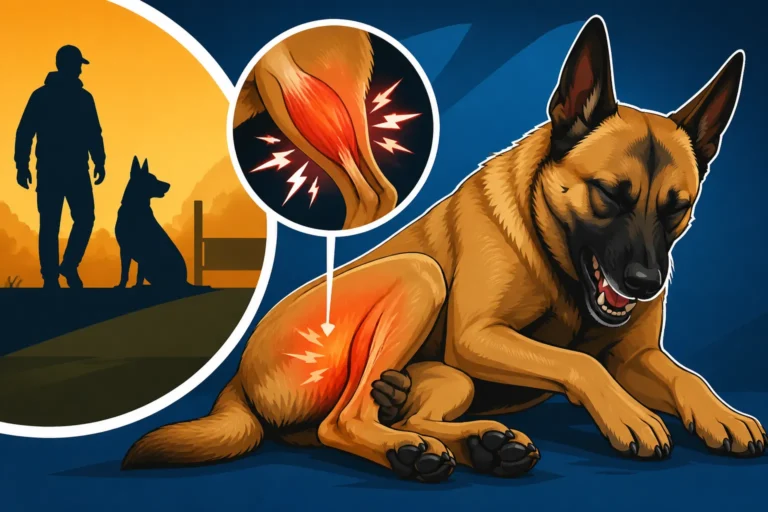
The sheer intensity and physical demands of a working Belgian Malinois mean that their bodies are often exposed to minor traumas, scrapes, and bruises that can sometimes mask or complicate the detection of underlying health issues. A lump that might be dismissed as a "bonk" from a training session could, in fact, be something far more concerning. Understanding what mast cell tumors are and why they might present uniquely in such an active breed is the first step in proactive health management.
What Exactly is a Mast Cell Tumor?
At its core, a mast cell tumor (MCT) is a type of cancer that originates from mast cells. These cells are a normal and vital part of your dog's immune system, playing a crucial role in allergic reactions and inflammatory responses. They're packed with granules containing histamine, heparin, and other chemicals that get released when the body encounters allergens or injury. Think of them as tiny alarm bells ready to go off.
The problem arises when these mast cells start to grow and divide uncontrollably, forming a tumor. This tumor can be benign or malignant, and it can appear anywhere on or in the body, but they are most commonly found on the skin. However, they can also occur in internal organs like the spleen, lymph nodes, or bone marrow. For a working Malinois, whose skin is constantly exposed to friction, bites, and impacts during training or duty, these lumps can easily be mistaken for cysts, fatty deposits (lipomas), or even bug bites. This often leads to a delay in seeking veterinary attention, which can be critical given the varied nature of MCTs. The unpredictable behavior of these tumors, from slow-growing to aggressively spreading, is what makes early and accurate diagnosis so incredibly important.
Why Working Dogs Might Present Differently
Working Belgian Malinois are handled constantly – from routine grooming and equipment checks to intense physical contact during bite work or detection exercises. This constant interaction means you're likely to notice new lumps and bumps quickly. However, the context of a working dog's life can also create diagnostic pitfalls.
Firstly, their bodies are often a canvas of minor injuries. A small tear in the skin from a brush-up with a decoy's sleeve, a scrape from scaling a wall, or even an insect bite from working outdoors can all present as a temporary swelling or scab. It's easy to assume any new lump is just another one of these transient issues, especially when your dog is otherwise bouncing with energy. Secondly, the dense muscle structure and lean build of a Malinois can sometimes make smaller, deeper masses harder to palpate definitively until they reach a more significant size. Unlike some more padded breeds, there's less "give" in their tissue, which means an MCT that might feel distinct on a fluffier dog could blend into the muscular contours of a Malinois. Finally, the stress of high-level training or working environments, while not a direct cause of MCTs, can sometimes lead to inflammatory responses that mimic or obscure other issues, further complicating early detection. It's a cruel irony that the very qualities that make your Malinois an exceptional worker can, at times, make discerning a serious health issue more challenging. This underscores why even seemingly minor, persistent lumps deserve prompt veterinary attention.
Identifying and Diagnosing Mast Cell Lumps
Spotting a mast cell tumor early is crucial for the best prognosis, especially in a breed as active as the Malinois. Their high pain tolerance and drive often mean they won't show obvious discomfort until an issue is quite advanced. This puts the onus squarely on the owner to be vigilant and proactive in their health checks.
What to Look For During Routine Checks
Regular, thorough checks of your Belgian Malinois should be an integral part of your routine, especially if they're actively working. Don't just groom them; really feel them. Run your hands over every inch of their body – head to tail, including their legs, paws, armpits, and groin area. Pay particular attention to areas where harnesses, collars, or bite equipment rub, as these areas often experience more skin irritation.
When you feel a lump, here’s what to look for:
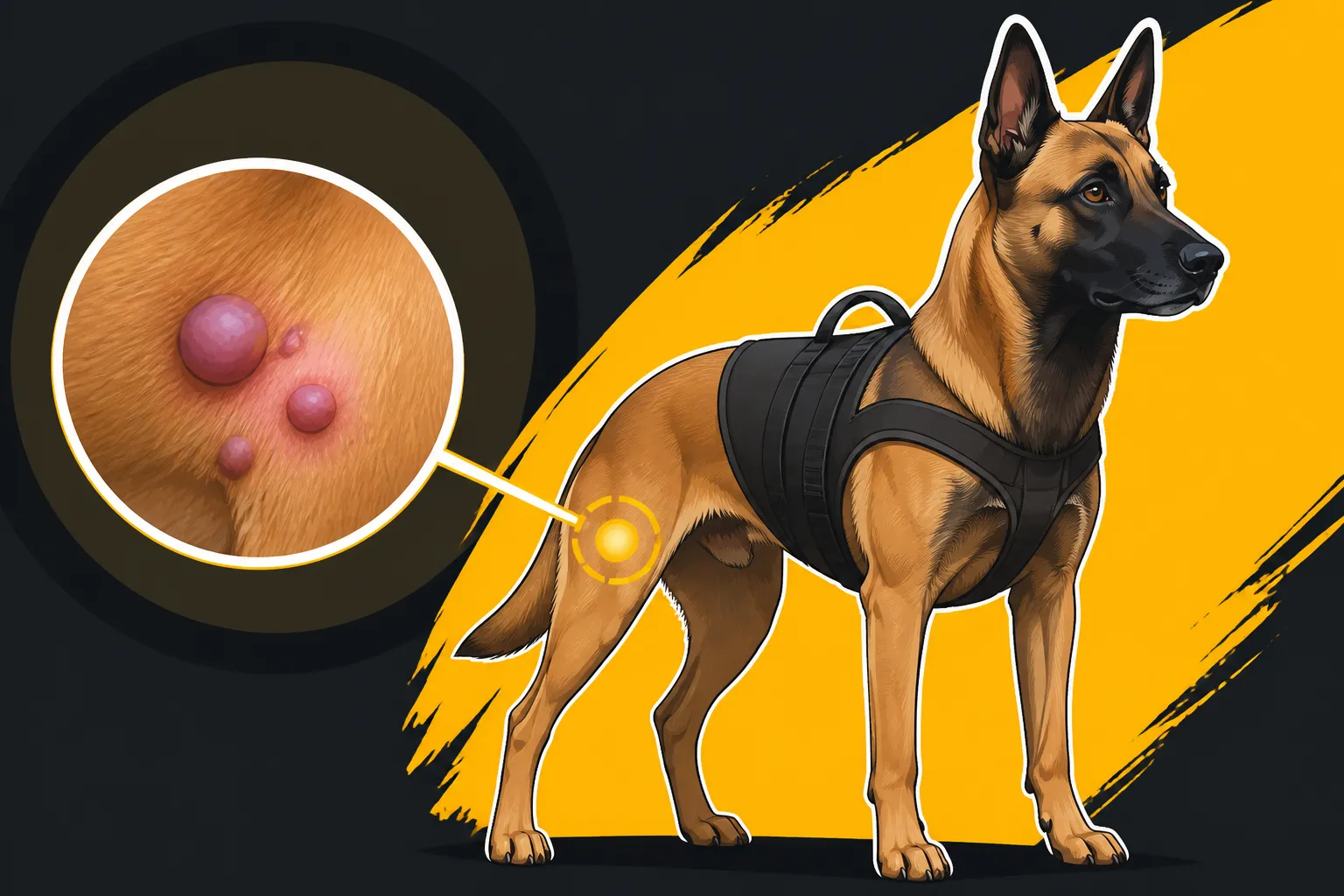
- Appearance: Mast cell tumors can vary widely. They might be a raised bump, a wart-like growth, or even just a subtle swelling under the skin. Their color can range from skin-toned to pink, red, or even ulcerated. Some can look quite innocent, like a small cyst or insect bite.
- Texture: They can feel soft and fatty, firm and rubbery, or even hard and nodular. Sometimes, they might fluctuate in size, appearing to shrink and then swell again – this is often due to the mast cells within the tumor releasing their inflammatory chemicals, a phenomenon known as Darier's sign.
- Location: While most commonly found on the trunk, limbs, and head, MCTs can pop up anywhere. Don't dismiss a lump just because it's in an "unusual" spot.
- Changes: Any new lump should be noted, but especially one that grows rapidly, changes color, becomes itchy, or starts to ulcerate (open up). Even a lump that appears, disappears, and then reappears should raise a red flag.
It's a good habit to keep a "lump map" or log, detailing when you found a lump, its size, location, and any observed changes. This information will be invaluable to your veterinarian. Remember, your Malinois might not show signs of pain, even with a problematic lump, so your careful observation is their best defense. For guidance on distinguishing different types of lumps, you might find it helpful to read about Lumps Worth Aspirating on a Belgian Malinois.
The Diagnostic Journey: From FNA to Biopsy
Once you've found a suspicious lump, the next step is a trip to the vet. Don't delay. Your vet will likely start with a physical examination and then recommend a Fine Needle Aspirate (FNA).
An FNA is a minimally invasive procedure where a small needle is inserted into the lump, and cells are drawn out. These cells are then spread onto a slide and examined under a microscope by a veterinarian or a veterinary pathologist. This is often the first, quick, and relatively inexpensive step. In many cases, mast cells are quite distinctive, allowing for a preliminary diagnosis. However, FNAs aren't foolproof. Sometimes, the sample might not be representative of the entire tumor, or the cells might be too poorly differentiated to make a definitive call. If the FNA is inconclusive, or if the vet has a strong suspicion of an MCT despite a "clean" FNA, a biopsy will be recommended.
A biopsy involves surgically removing a small piece of the tumor or, ideally, the entire tumor (an excisional biopsy). This tissue is then sent to a specialized veterinary pathologist who examines it more thoroughly. The pathologist will not only confirm the diagnosis but, crucially, will "grade" the tumor.
Mast Cell Tumor Grading System (Two-Tier System):
| Grade | Description | Prognosis | Treatment Implications |
|---|---|---|---|
| Low Grade | Cells are well-differentiated, meaning they look relatively normal and are slow to divide. There's less evidence of abnormal cellular activity or invasion. | Generally good prognosis with complete surgical removal. Less aggressive, lower chance of metastasis (spread). | Surgical removal with wide, clean margins is often curative. Further treatment might not be needed. |
| High Grade | Cells are poorly differentiated, meaning they look very abnormal and are dividing rapidly. There's significant evidence of cellular invasion, abnormalities, and often metastasis. | Poorer prognosis even with surgery. High risk of recurrence and metastasis to lymph nodes, spleen, liver, and bone marrow. | Requires aggressive treatment, often including wide surgical excision followed by chemotherapy, radiation, or targeted therapies. Close monitoring for spread is essential. |
In addition to grading, the pathologist will also assess the "mitotic index" (how many cells are actively dividing), which gives further insight into the tumor's aggressiveness. The margins of the removed tumor (the healthy tissue surrounding it) will also be checked. "Clean margins" mean all tumor cells were removed, while "dirty margins" indicate that some cancerous cells were left behind, necessitating further surgery or adjunctive therapies. This comprehensive diagnostic process is vital for tailoring the most effective treatment plan for your working Malinois.
Treatment Options for Your Working Malinois
Once a mast cell tumor is diagnosed and graded, your veterinary team will discuss the best course of action. The treatment plan is highly individualized, depending on the tumor's grade, location, size, and whether it has spread. For a working Malinois, the impact of treatment on their physical ability and recovery time is also a significant consideration.
Surgical Excision and Wide Margins
For most low-grade mast cell tumors, surgical removal is the primary and often curative treatment. The goal of surgery is to excise the tumor completely, along with a wide margin of healthy tissue around and beneath it. This "wide margin" is crucial because mast cell tumors, even seemingly small ones, can have microscopic tendrils of cancerous cells extending beyond what's visible to the naked eye. The pathologist's report on the biopsy will confirm if these margins are "clean" (tumor-free) or "dirty" (cancer cells present at the edge).
If margins are dirty, it typically means more surgery is needed, or your vet might recommend follow-up treatments like radiation therapy. For a Malinois, who needs to return to their peak physical condition, extensive surgeries can be challenging. Scar tissue needs to heal robustly, and their high energy can make strict activity restriction during recovery a real test of an owner's patience. Post-operative care will involve pain management, strict leash rest (which is often easier said than done with a Malinois!), and careful monitoring of the surgical site for infection or dehiscence (opening of the wound). Healing for these athletic dogs can sometimes involve intense physical rehabilitation to regain full function without compromise. The potential cost of these procedures, coupled with aftercare, can be substantial, making pet insurance options like Healthy Paws a valuable consideration for unexpected health issues.
Adjunctive Therapies: Radiation and Chemotherapy
When surgery alone isn't enough, or if the tumor is in a location that makes wide surgical removal impossible (e.g., on a limb where there isn't much excess skin), adjunctive therapies come into play. These treatments are particularly important for high-grade tumors or those with dirty margins, to prevent recurrence and metastasis.
Radiation Therapy is often used when a tumor cannot be fully removed with surgery. It involves using targeted radiation beams to kill any remaining cancer cells in a specific area. This is a local treatment, meaning it only affects the treated area. It typically requires multiple treatments, often daily for several weeks, and each session requires the dog to be sedated, which introduces its own set of concerns, especially for a lean, high-energy breed. Discussions around Why Anesthesia Needs Discussing Before a Malinois Goes Under are particularly relevant here.
Chemotherapy is a systemic treatment, meaning it affects the entire body. It's used when there's a high risk of metastasis (the tumor spreading to other parts of the body, like lymph nodes, spleen, or liver) or if the tumor has already spread. Several chemotherapy drugs can be used, often in combination. Some of the more common options include prednisone, vinblastine, and CCNU. Newer targeted therapies, such as Palladia (toceranib) and Masivet (masitinib), specifically aim at certain proteins involved in cancer growth, offering a more precise approach with potentially fewer side effects than traditional chemotherapy. These drugs have shown promise in managing mast cell tumors, particularly in cases where surgery isn't viable or to reduce tumor size before surgery.
The decision to pursue these therapies is complex, weighing the potential benefits against the side effects and the quality of life for your working Malinois. Your vet will carefully monitor your dog throughout treatment, performing regular bloodwork and check-ups to assess response and manage any adverse reactions. The comprehensive nature of treating mast cell tumors, often requiring multiple specialists and extended care, can significantly contribute to The Vet Bills a Bite Sport Belgian Malinois Runs Up.
Managing and Preventing Recurrence in Working Dogs
After the initial treatment, the journey with mast cell tumors doesn't simply end. For a working Belgian Malinois, ongoing management and diligent monitoring are paramount to ensure the best possible long-term prognosis and to minimize the chances of recurrence. Their active lifestyle means any health setback has a direct impact on their ability to perform and enjoy their lives.
Post-Treatment Monitoring and Lifestyle Adjustments
Once treatment for a mast cell tumor is complete, vigilant post-treatment monitoring becomes your new normal. This means regular, scheduled follow-up appointments with your veterinarian, which will likely include physical examinations, palpation of the surgical site and regional lymph nodes, and potentially bloodwork or imaging to check for any signs of recurrence or metastasis. The frequency of these check-ups will depend on the tumor's initial grade and the success of the treatment.
For a working Malinois, lifestyle adjustments might be necessary, particularly if the surgical site is in a high-impact area or if they underwent radiation therapy. While the goal is always to get them back to their job, temporary or permanent modifications to their training intensity, the type of equipment they use, or even their role might be advised. For instance, if a tumor was removed from a leg, prolonged high-impact activities might need to be reconsidered, especially during the initial healing phases. Protecting healing skin from scrapes and undue pressure is critical. If your Malinois has been through extensive treatment, keeping them sound past twelve becomes an even more nuanced challenge.
You'll need to continue your meticulous at-home lump checks, perhaps even more frequently than before. Any new lump, no matter how small or seemingly insignificant, should be brought to your vet's attention immediately for another FNA. This proactive approach is key to catching any potential recurrence early, when it's most treatable.
The Role of Regular Vet Checks and Proactive Health
Beyond specific post-MCT treatment, the broader importance of regular veterinary check-ups for a working Belgian Malinois cannot be overstated. These dogs push their bodies to the limits, and their baseline health needs to be meticulously maintained. Annual or bi-annual wellness exams are crucial. During these visits, your vet isn't just giving vaccines; they're performing a comprehensive physical, checking all lymph nodes, listening to the heart and lungs, and palpating the abdomen. This is where subtle changes, like an enlarged spleen that might indicate an internal mast cell tumor, can be detected before clinical signs become apparent.
Regular The Bloodwork a Working Malinois Should Have Annually provides a snapshot of internal organ function and can sometimes flag abnormalities that might point to systemic issues or internal tumors. For dogs with a history of MCTs, specific blood tests might be recommended to monitor for markers associated with mast cell activity.
Considering the high demands and potential health challenges faced by these incredible dogs, a strong relationship with a veterinarian experienced in working breeds is invaluable. They can help you craft a tailored wellness plan that includes appropriate nutrition, supplements, and preventative care to support your Malinois's overall health and longevity. Having a comprehensive pet insurance plan, such as one from Healthy Paws, can significantly ease the financial burden associated with extensive diagnostics and long-term care for conditions like mast cell tumors, allowing you to prioritize your dog's health without undue stress. For instance, Managing an Epileptic Belgian Malinois on Medication also requires consistent veterinary oversight and financial planning, highlighting the general need for proactive health management and coverage.
What Most Belgian Malinois Die Of
While mast cell tumors are a serious concern, it's helpful to understand them within the broader context of Belgian Malinois health. These robust dogs are generally healthy, but like all breeds, they have predispositions to certain conditions. Understanding What Most Belgian Malinois Die Of can provide a perspective on common health challenges and highlight areas where vigilance is most needed. While accidents and injuries can certainly impact working dogs, many older Malinois eventually succumb to age-related illnesses, including various forms of cancer, organ failure, or debilitating conditions like degenerative myelopathy.
For a working Malinois, keeping them performing at their best for as long as possible is a shared goal between owner and veterinarian. This means adhering to The Checkup Schedule a Sport Malinois Should Keep to proactively identify and address health issues. Whether it's a suspicious lump, a sudden lameness from a torn toe (Whether a Belgian Malinois Recovers From a Torn Toe), or unexpected medical events requiring Emergency Care After a Malinois Training Injury, staying informed and prepared is your best line of defense.
Disclaimer
The information provided in this guide is for general informational purposes only and does not constitute veterinary advice. Always consult with a qualified veterinarian for any health concerns or before making any decisions related to your Belgian Malinois's medical care.