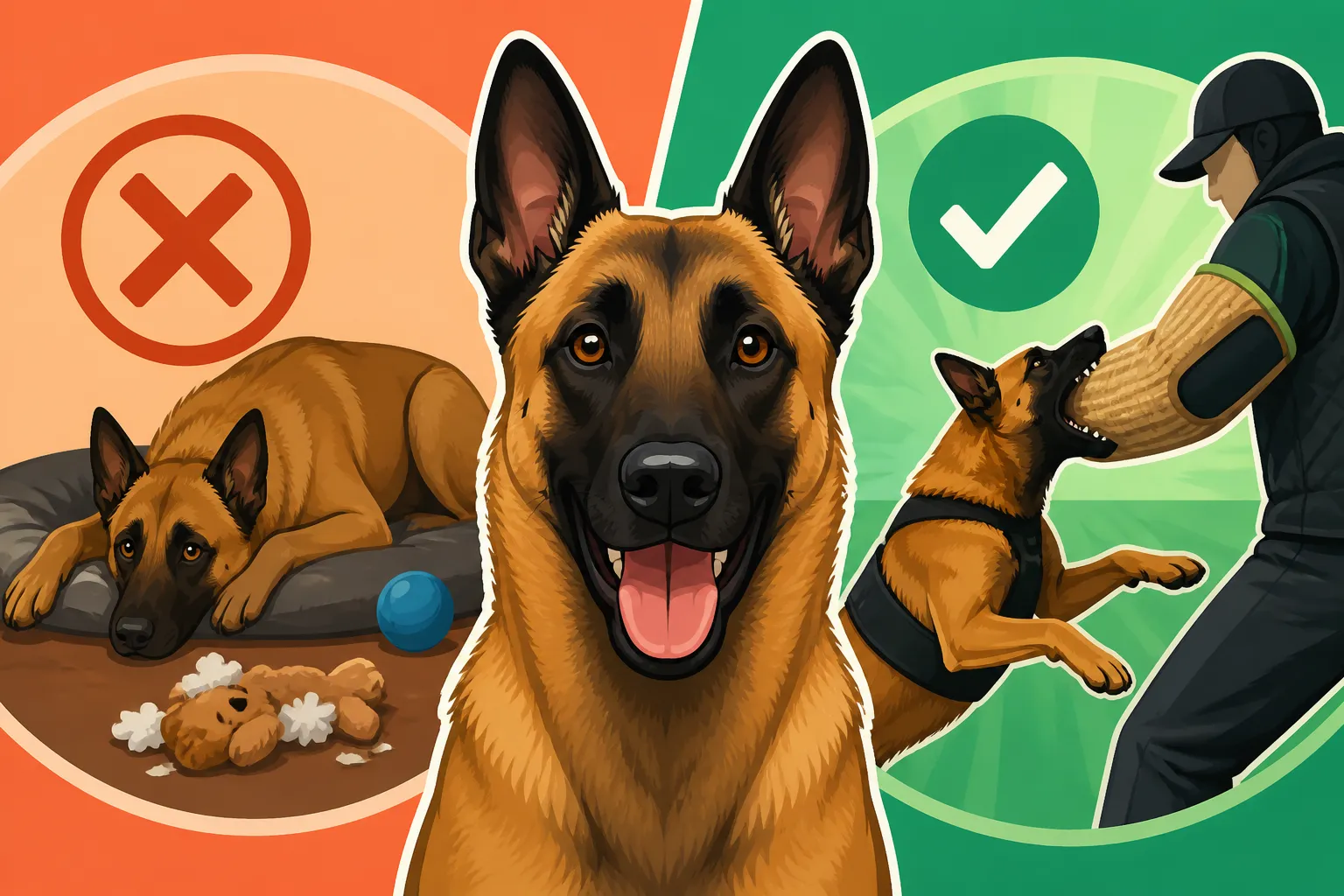
Whether Bite Work Belongs in a Pet Malinois’s Life
It's a question that many Belgian Malinois owners, especially those new to the breed, grapple with: "My Malinois has so much drive, should I get them into bite work?" The image of these powerful dogs in protection roles is strong, and it's easy to assume it’s the ultimate outlet for their energy. But the reality is far more complex than simply channeling drive, and for a pet Malinois, the path of formal bite work carries significant implications that need careful consideration. This guide will help you understand what bite work truly entails, assess if it's right for your pet Malinois, and explore fulfilling alternatives if it isn't.
Defining "Bite Work" for the Pet Owner
When most people hear "bite work," they often picture a police dog taking down a suspect or a military dog on a mission. While those are indeed forms of bite work, the term, especially in a civilian context, covers a spectrum of activities. It’s crucial to differentiate between serious, structured protection sports and casual, unregulated "personal protection" training. The former is a highly disciplined sport; the latter can be incredibly dangerous.
The Realities of Protection Sport
True bite sports, like IGP (formerly IPO or Schutzhund), Mondioring, or Belgian Ring, are highly formalized disciplines with strict rules, trained decoys (the people wearing the protective suits), and specific criteria for success. These are not about teaching a dog to indiscriminately bite. Quite the opposite. They are about teaching a dog immense control, discernment, and obedience under extreme pressure. A dog must be able to "out" (release the bite) on command, differentiate between a threat and a neutral person, and engage with the decoy only when instructed. This level of training requires exceptional genetics, a skilled handler, and dedicated time, often years, within a reputable club with experienced decoys and trainers. It's a sport, much like competitive obedience or agility, with titles, trials, and a strong emphasis on dog and handler teamwork. A crucial aspect is that these are not usually solo endeavors; they require a community and specific equipment.
The focus is less on the act of biting itself and more on the drive, courage, and obedience displayed. Dogs are tested on tracking, obedience, and protection phases, all designed to showcase a well-rounded working dog. The protection phase, while visually impressive, is just one component. The training environment is structured and safe, minimizing risk to the dog, handler, and decoy. What Bite Sport Actually Asks of a Belgian Malinois delves deeper into these demands.
Distinguishing Sport from Personal Protection
This is where the waters get muddy and risks escalate dramatically. "Personal protection" training, especially if sought outside of highly reputable, certified working dog organizations, can be a minefield. Unscrupulous trainers might promise to make your Malinois a "protection dog" quickly, often by teaching them to bite anyone perceived as a threat, or worse, anyone they are simply pointed at. This type of training often lacks the crucial elements of control, discernment, and a clear "off switch" that are hallmarks of legitimate bite sport.
The dangers of an improperly trained personal protection dog are immense. Without the rigorous control and clear rules of engagement found in sports, you risk creating a liability. A dog that bites without clear provocation, or that cannot be called off instantly, is a danger to the public, other animals, and even your own family. The legal ramifications alone can be devastating, let alone the ethical concerns for the dog itself. Your dog needs to understand when to engage and, more importantly, when not to. The distinction between a dog trained for sport and a dog intended for actual personal protection is a conversation that absolutely needs to happen with an extremely experienced and ethical professional.
The Belgian Malinois: A Breed Built for Work
There's no denying that the Belgian Malinois is a powerhouse of a dog. Bred for herding and later refined for police and military work, they possess an incredible combination of intelligence, athleticism, and intense drive. These aren't traits that simply disappear if a dog isn't given a job; they must be channeled. Many owners are drawn to Malinois precisely because of this formidable working capacity, but sometimes underestimate the daily commitment it requires.
Understanding High Drive and Prey Drive
The term "high drive" in a Malinois means they have an innate, powerful urge to pursue, engage with, and often possess, objects or activities that trigger their instincts. This manifests as relentless energy, an insatiable desire for engagement, and often a focus that can border on obsessive. Their prey drive, in particular, is a strong motivator. It's the instinct that tells them to chase, catch, and hold. In a bite sport context, this prey drive is carefully redirected and refined onto the bite sleeve or suit. But in everyday life, it can mean chasing squirrels, cats, bicycles, or even children if not properly managed and channeled. A Malinois that fixates on moving things is a common challenge for owners.
This drive isn't a bad thing; it's what makes the Malinois so brilliant at their intended jobs. However, it requires a handler who understands how to harness it. It's not just about physical exercise; it's about mental engagement, structure, and providing appropriate outlets for these powerful instincts. Without an understanding of these drives, owners can quickly become overwhelmed by a Malinois who appears to be "too much dog."
What Happens When Drive Isn't Met
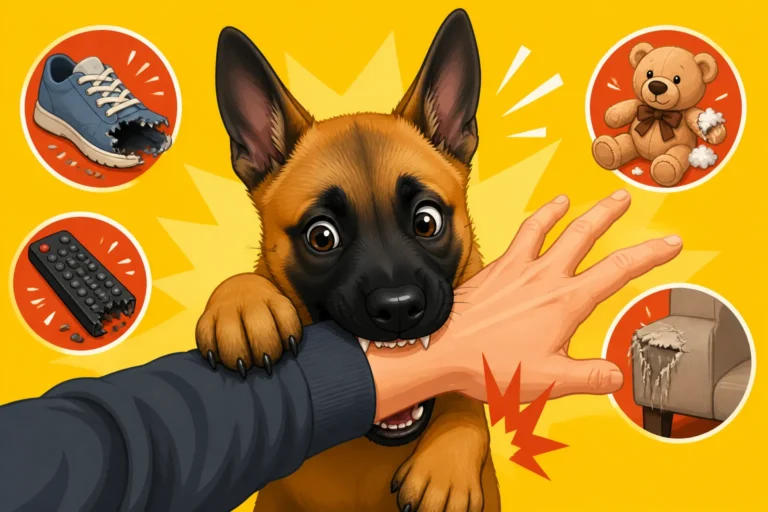
An unfulfilled Malinois is often a destructive Malinois. When their high drive and keen intelligence aren't given appropriate outlets, that energy doesn't just dissipate. It finds its own, often unwelcome, manifestations. This can include:
- Destructive Chewing: Your furniture, walls, shoes, and anything within reach can become targets. This isn't out of malice, but a desperate attempt to relieve pent-up energy and mental boredom. Finding durable chews is a constant battle for Malinois owners.
- Hyperactivity and Nuisance Behaviors: Pacing, incessant barking, jumping on guests, frantic zooming around the house, or constantly demanding attention can become the norm. The dog simply doesn't know how to "turn off" or settle. A Malinois That Screams Rather Than Settles is a common complaint.
- Anxiety and Stress: Believe it or not, a lack of appropriate work can lead to significant stress and anxiety in a Malinois. They are wired to do a job, and without one, they can become genuinely distressed, leading to behaviors like self-mutilation (chewing paws, flank sucking), or obsessive-compulsive habits.
- Reactivity and Aggression: While not always the case, pent-up frustration and a lack of proper socialization and training can sometimes exacerbate reactive tendencies towards other dogs, strangers, or moving objects. This isn't typically aggression in the traditional sense, but an inability to cope with stimuli due to a lack of mental and physical fulfillment. A Belgian Malinois That Reacts to Other Dogs highlights this common issue.
The key takeaway is that a Malinois needs a job, but that job doesn't have to be bite work. It needs to be a job that adequately challenges their minds and bodies.
Should a Pet Malinois Engage in Bite Work?
This is the million-dollar question, and the answer, for most pet Malinois owners, is usually "no," or at least, "not in the traditional sense." While the drive is certainly there, the decision to engage in bite work involves a deep dive into commitment, risk assessment, and honest self-reflection about your capabilities as a handler.
The Arguments For Controlled Bite Sport
For a select few pet Malinois and their dedicated owners, engaging in legitimate bite sport can be a fantastic outlet. When done correctly, under the guidance of highly experienced professionals in a structured club environment, it offers:
- Unparalleled Mental and Physical Fulfillment: For a Malinois with the right temperament, bite sport provides an incredible combination of physical exertion, problem-solving, and emotional intensity. It taps into their deepest drives in a safe, controlled way, often leaving them truly tired and satisfied.
- Enhanced Bond and Communication: The demands of bite sport forge an incredibly strong bond between dog and handler. It requires precise communication, mutual trust, and a deep understanding of each other's cues and motivations.
- Extreme Control and Obedience: Far from making a dog aggressive, proper bite sport training instills an exceptional level of control. The "out" command, for example, is non-negotiable. Dogs learn to switch from intense drive to calm obedience almost instantly. This level of control translates into a generally more biddable and responsive dog in everyday life.
- Confidence Building: For some dogs, especially those that might be a bit soft or insecure, the success and structure of bite work can build immense confidence and resilience.
It's vital to reiterate that these benefits only come from properly conducted, highly disciplined bite sport, where the emphasis is on control, sport rules, and the safety of all involved. This is not casual weekend training; it's a serious commitment.
The Significant Risks and Demands
Despite the potential benefits, the risks and demands often outweigh the suitability for the average pet Malinois home.
- Time Commitment: This is not a once-a-week hobby. Proper bite sport requires multiple training sessions per week, often traveling to clubs, and significant practice at home. It’s a lifestyle commitment.
- Financial Commitment: Club dues, equipment (tugs, sleeves, collars – often purchased through platforms like Amazon for quality working dog gear), entry fees for trials, travel, and potential vet bills for minor bumps and scrapes add up. Club Dues, Decoys and Equipment for a Malinois details some of these costs.
- Handler Skill and Dedication: A Malinois in bite work demands a handler who is consistent, clear, physically capable, and mentally tough. This isn't a sport for beginners or the faint of heart. You need to be able to read your dog, anticipate their moves, and execute commands precisely under pressure. The Handler Experience a Belgian Malinois Needs is not to be underestimated.
- Social Implications and Liability: Even a perfectly trained sport dog carries a certain public perception. Neighbors, friends, and even family members might be wary. More importantly, if something goes wrong – a miscommunication, a moment of lapsed control, an unforeseen trigger – the consequences can be severe. Despite best efforts, accidents can happen, and owning a dog with a trained bite can significantly increase your liability, impacting things like homeowners insurance. Whether Extra Liability Cover Reaches a Malinois Bite is a critical question to explore.
- Finding Qualified Trainers: This is perhaps the biggest hurdle. True bite sport trainers are rare, highly sought after, and meticulous about who they accept into their programs. They are not found on every street corner. Avoiding unqualified or unethical trainers is paramount for the safety and well-being of your dog and community.
Comparison of Bite Work & Alternatives for Pet Malinois
| Feature | Traditional Bite Sport (IGP, Ring) | Alternative Drive-Channeling Activities (Scent Work, Agility, etc.) |
|---|---|---|
| Primary Goal | Competitive sport, showcasing control, courage, obedience, and bite work | Fulfilling natural drives, mental stimulation, physical exercise, building dog-handler bond |
| Training Structure | Highly formalized club training, certified decoys, strict rules, trials | Varied, can be club-based, private lessons, or self-taught with resources |
| Handler Skill Req. | Very high: physical fitness, precise timing, deep breed understanding | Moderate to high: consistency, patience, understanding motivation and learning principles |
| Equipment | Bite suits, sleeves, specialized collars, specific field equipment | Harnesses, long lines, tugs, puzzle toys, scent kits, agility obstacles, balls |
| Risks | High: potential for serious injury, high liability if control fails | Low to moderate: typical risks of dog ownership (minor injuries, public perception) |
| Time/Cost | Very high: multiple weekly sessions, club dues, trial fees, travel | Moderate: classes, equipment, but more flexible schedule and lower competitive costs |
| Public Perception | Can be intimidating, misunderstood, potential for breed restrictions | Generally positive, seen as responsible dog ownership |
| Suitability for Pet Owners | Very low for average pet owner, requires specific dedication and genetics | High: many options to suit different lifestyles and dog temperaments |
Effective Alternatives for Channeling Drive
For the vast majority of pet Malinois owners, the best approach is to channel that incredible drive into safer, equally fulfilling alternatives that don't involve biting people, even in a sport context. There are countless ways to exhaust a Malinois mentally and physically without picking up a bite sleeve.
Structured Obedience and Advanced Training
Never underestimate the power of obedience to tire out a Malinois. Not just basic sit-stay, but advanced obedience with high distractions, precision, and speed. A solid foundation in obedience is paramount for any Malinois, whether they do bite work or not. This is where programs like BAXTER & Bella can be incredibly helpful for pet owners. Their online format focuses on creating a well-mannered family companion, teaching foundational behaviors and building engagement in a positive way. While not specifically for working dogs, the principles of engagement, reward-based training, and consistent practice are universally beneficial. Obedience a Malinois Needs Before Protection Work outlines the critical groundwork.
Consider competitive obedience, rally obedience, or even trick training. These activities demand focus, precision, and sustained mental effort. Learning complex sequences, working off-leash in distracting environments, and perfecting heel positions can be just as mentally taxing as a protection routine. Plus, the constant reinforcement and positive interaction further strengthen your bond.
Sporting Activities Beyond Protection
The world of dog sports is vast, and many activities are perfectly suited to the Malinois's athleticism and drive without involving bite work:
- Agility: This fast-paced sport involves navigating an obstacle course (jumps, tunnels, weave poles, dog walks) with speed and accuracy. It requires immense focus, body awareness, and incredible teamwork between dog and handler. Malinois excel at agility dueating to their natural athleticism and quick minds. Whether a Malinois Has the Body for Agility suggests they are indeed built for it.
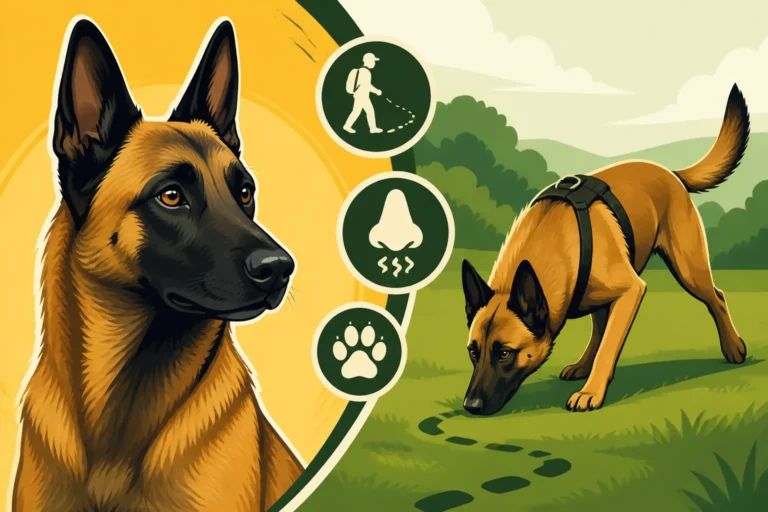
- Scent Work/Nose Work: This is perhaps one of the most mentally exhausting activities for any dog. It taps into their primary sense – smell – and teaches them to locate specific odors. Dogs find this incredibly rewarding and it drains their mental energy like almost nothing else. It’s accessible to almost any dog, requires minimal equipment (often found on Amazon, like scent kits or specific containers), and can be practiced almost anywhere. Starting Scent Detection With a Belgian Malinois is a fantastic entry point.
- Dock Diving: If your Malinois loves water and retrieving, dock diving can be a thrilling sport. Dogs run down a dock and jump as far or high as possible into a pool of water to retrieve a toy. It's a fantastic physical outlet and great fun.
- Flyball: This is a team relay race where dogs jump hurdles, trigger a box to release a tennis ball, retrieve it, and return over the hurdles. It's high energy, fast-paced, and requires good recall and focus.
- Tracking and Trailing: Similar to scent work, but focused on following human scent trails. This is a natural instinct for many Malinois and provides an intense mental and physical workout in varied environments.
Mental Engagement and Daily "Jobs"
Beyond formal sports, simply integrating "jobs" into your Malinois's daily life can make a huge difference.
- Puzzle Toys and Food Dispensing Toys: Instead of just putting food in a bowl, make your Malinois work for it. There are many durable puzzle toys available, many on Amazon, that require problem-solving to get treats or kibble. This engages their brains and slows down eating.
- Flirt Poles: A flirt pole is essentially a long stick with a lure attached to the end, allowing you to simulate prey movement for your dog. It's a fantastic way to burn off energy, practice impulse control (with "leave it" and "take it" commands), and fulfill their chase drive in a controlled manner. Flirt Poles and a Belgian Malinois's Drive speaks to their effectiveness.
- Daily Training Sessions: Keep training short, fun, and varied. Work on new tricks, refresh known commands in new environments, or practice duration on stays. Consistent, engaging training sessions throughout the day add up to significant mental stimulation.
- Hiking and Exploration: Rather than just routine walks, explore new trails, allow your Malinois to sniff and investigate, and incorporate some off-leash (where safe and legal, and with a bomb-proof recall) exploration. The varied terrain and new scents are much more stimulating than a neighborhood stroll. Hiking With a Belgian Malinois Off Leash can be incredibly rewarding.
Remember, the goal is to provide outlets for their intelligence and energy in a way that is safe, manageable, and enhances their life as a beloved pet.
Finding Qualified Guidance and Support
Regardless of whether you pursue bite sport or alternative activities, seeking professional guidance is non-negotiable for a Belgian Malinois owner. This breed is too intelligent and powerful to be left to guesswork.
Locating Reputable Trainers and Clubs
If you are seriously considering bite sport, your first step isn't buying equipment; it's finding a legitimate IGP or Ring sport club. These clubs are usually affiliated with national organizations (like USCA for IGP, or various Ring sport associations). Look for:
- Experienced Decoys: They are the backbone of protection training. They should be knowledgeable about dog behavior, safety, and how to properly develop a dog's skills without instilling fear or aggression.
- Structured Programs: A good club will have a clear progression, from puppy development to advanced work, with an emphasis on obedience and control at every stage.
- Focus on Temperament: Reputable clubs will assess your dog's temperament and your handling skills. They won't just take any dog or any owner. They understand the immense responsibility involved.
- Safety Protocols: Strict safety rules for both dogs and humans must be in place and adhered to.
For alternative sports or general obedience, look for trainers who are certified, use positive reinforcement methods, and have experience with high-drive working breeds. Ask for references, observe classes, and ensure their philosophy aligns with your goals for your dog. A good trainer will help you Building Engagement With a Belgian Malinois.
The Importance of Realistic Expectations
This is perhaps the most crucial element for any Malinois owner. Be honest with yourself about:
- Your Time and Energy: Can you truly commit to the hours of training, exercise, and mental stimulation your Malinois needs, day in and day out, for their entire life?
- Your Skill Level: Are you confident in your ability to handle a powerful, intelligent dog under various circumstances? Are you willing to learn and grow as a handler?
- Your Lifestyle: Does your lifestyle allow for the demands of a Malinois? Do you have a secure environment, access to training resources, and the financial means to support their needs?
- Your Dog's Temperament: While Malinois are generally high drive, individual dogs have different temperaments. Not every Malinois is suited for bite sport, and pushing a dog into something they're not genetically or temperamentally wired for can be detrimental.
It's okay if traditional bite work isn't the right fit. There is absolutely no shame in acknowledging that it might be too demanding or too risky for your particular situation. The most important thing is to provide your Belgian Malinois with a fulfilling, safe, and happy life, which means understanding their needs and choosing activities that truly suit both of you. A Malinois that is mentally and physically satisfied, regardless of whether they ever bite a sleeve, is a happy Malinois.
Disclaimer
This article is for general informational purposes only and does not constitute professional advice. Laws, prices and regulations vary by location and change over time. Consult a qualified professional for guidance on your specific situation.