Whether a Belgian Malinois Ages Better Than a Shepherd
It's a question that weighs heavily on the hearts of anyone who shares their life with a magnificent working dog: will my dog age gracefully, or will the physical demands of their breed catch up to them too soon? When you look at two powerhouses like the Belgian Malinois and the German Shepherd, both renowned for their intelligence, athleticism, and unwavering loyalty, it's natural to wonder about their golden years. Many owners grapple with the painful reality that these incredibly driven animals, while seemingly invincible in their prime, can face unique challenges as they slow down. This guide aims to thoroughly explore whether a Belgian Malinois tends to age better than a German Shepherd, looking at their predispositions, common ailments, and the crucial factors that influence their longevity and quality of life into their senior years.
Understanding Longevity in Working Breeds
The lifespan and aging process of any dog breed are complex, influenced by a delicate interplay of genetics, environment, and lifestyle. For working breeds like the Belgian Malinois and German Shepherd, this complexity is amplified by their intense physical and mental requirements throughout their lives. It's not just about how long they live, but how well they live those years.
Genetic Predispositions and Breed Standards
Both the Belgian Malinois and the German Shepherd Dog (GSD) are breeds developed for demanding work, which historically meant selection for robustness and endurance. However, breeding priorities and popular lines have introduced varying genetic predispositions over time.
German Shepherds, particularly some lines that have been bred for exaggerated angulation or massive size, have unfortunately become well-known for a range of orthopedic issues. Hip and elbow dysplasia are almost synonymous with the breed for many people, and while responsible breeders work diligently to screen, the genetic pool still carries a significant risk. Beyond structural issues, German Shepherds also have a higher incidence of certain cancers, like hemangiosarcoma and osteosarcoma, which can drastically shorten their lives and lead to a rapid decline in their senior years. Additionally, degenerative myelopathy (DM), a progressive spinal cord disease, is a devastating condition seen more frequently in GSDs, often leading to paralysis in their later life.
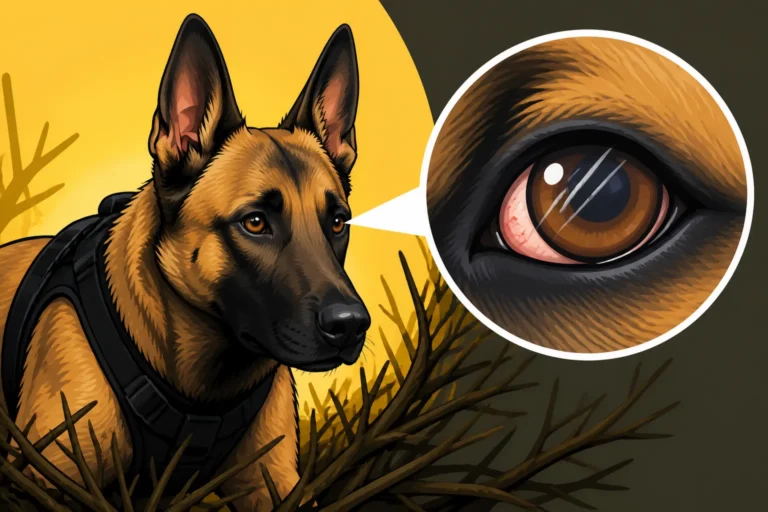
Belgian Malinois, while not immune to these issues, generally tend to be lighter-boned and possess a more moderate structure. This can sometimes give them an edge in terms of joint health, as less weight often means less stress on hips and elbows over a lifetime of activity. While they absolutely can get hip and elbow dysplasia, the overall incidence rates might be slightly lower than in some German Shepherd lines. The breed standard for the Malinois emphasizes agility and athleticism, and typically discourages the extreme angulation that can contribute to joint problems. However, Malinois are not without their own genetic health concerns, including certain types of epilepsy and some eye conditions, though these might manifest differently or have different prognoses than the prevalent issues in GSDs. When considering a puppy, it's vital to ask breeders about The Two Ataxia Genes Belgian Malinois Are Tested For and other health clearances.
The Impact of High Drive and Workload
One of the most defining characteristics of both Malinois and German Shepherds is their exceptionally high drive and tireless work ethic. This inherent intensity is what makes them phenomenal working partners, but it can also be a double-edged sword when it comes to aging.
A German Shepherd with a strong working history, whether in police work, Schutzhund, or search and rescue, has likely put significant mileage on their joints and body. Their larger frame, combined with powerful bursts of speed and heavy impact activities like biting sleeves or jumping obstacles, can accumulate wear and tear. While an active lifestyle keeps them physically fit, the sheer force involved in their work can contribute to degenerative joint changes over time. Many handlers of working GSDs notice their dogs start to slow down physically around 7 or 8 years old, even if their minds are still sharp.
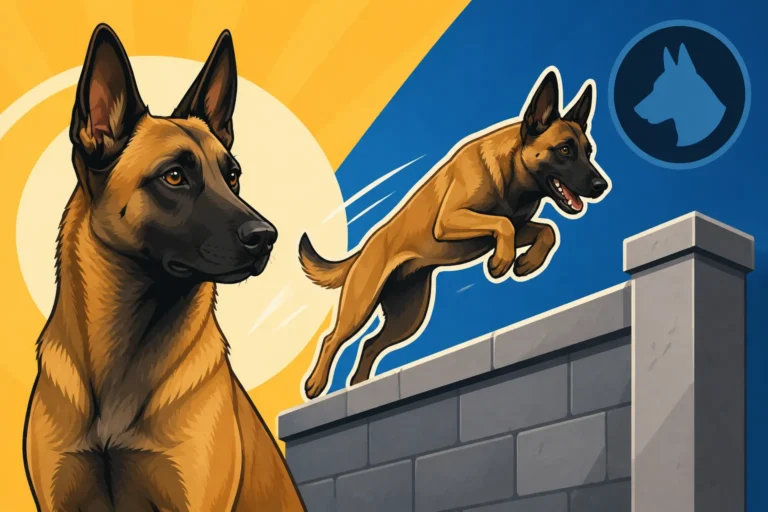
Belgian Malinois are often described as even more intense, with an almost frantic energy that needs constant channeling. They are a smaller, leaner breed, built for explosive speed and incredible agility. This makes them less prone to some of the bulk-related joint stresses that a larger GSD might experience. However, their high-flying, hard-hitting style of work means they are at risk for different kinds of injuries. A Malinois might take more severe impacts from jumps, suffer more muscle strains, or experience ligament tears because they push themselves to their absolute physical limits. An article like Injuries a Bite Sport Belgian Malinois Collects gives a good overview of the trauma these dogs can endure. While they might appear to maintain their drive longer, the underlying physical toll can still be significant, manifesting as chronic pain or reduced mobility in their later years. The constant "go, go, go" mentality can also sometimes mask subtle signs of discomfort until a condition is quite advanced.
Common Health Challenges and How They Affect Aging
Both breeds, despite their robust nature, face specific health challenges that can significantly impact their aging process and overall longevity. Understanding these challenges is key to proactive management and providing the best quality of life for your aging companion.
Orthopedic Concerns
Orthopedic issues are perhaps the most common denominator when discussing aging in large, active breeds.
German Shepherds: Hip and elbow dysplasia are pervasive in the German Shepherd population. Hip dysplasia means the hip joint doesn't fit together properly, leading to grinding, pain, and eventual arthritis. Elbow dysplasia is similar, involving abnormal development of the elbow joint. These conditions often lead to a gradual onset of lameness, stiffness, and reduced mobility, which can start impacting their quality of life as early as middle age (5-7 years) and certainly by their senior years. The large, heavy frame of many GSDs can exacerbate these issues. Additionally, many German Shepherds are susceptible to lumbosacral stenosis or degenerative disc disease in their spine, further impacting their hind leg function and overall comfort.
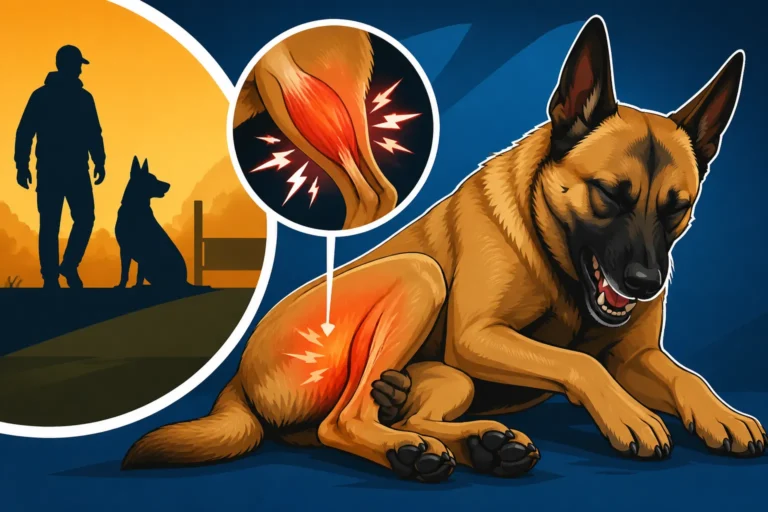
Belgian Malinois: While Malinois can certainly be affected by hip and elbow dysplasia, their lighter build often means the onset might be later, or the symptoms less severe, in comparable grades of dysplasia. However, their explosive power and agility can lead to other issues. Torn cruciate ligaments (ACL tears), patellar luxation, and various soft tissue injuries are not uncommon, especially in dogs involved in high-impact sports. While these are often acute injuries that can be surgically corrected, they still involve recovery periods and can predispose the joint to arthritis down the line. Owners should understand The Hip and Elbow Numbers Behind a Malinois Clearance when selecting a puppy to mitigate these risks.
It's also worth noting that arthritis is an almost inevitable companion for both breeds as they age, regardless of prior orthopedic health. The difference often lies in the severity and the age of onset.
Here's a quick comparison of common orthopedic issues:
| Condition | German Shepherd Predisposition | Belgian Malinois Predisposition | Impact on Aging |
|---|---|---|---|
| Hip Dysplasia | High incidence, often severe, early onset in some lines. | Moderate incidence, potentially less severe due to lighter build. | Chronic pain, reduced mobility, difficulty rising, progressive lameness. |
| Elbow Dysplasia | High incidence, often significant impact on forelimb function. | Moderate incidence, often less debilitating than GSDs. | Forelimb lameness, stiffness, reluctance to exercise, arthritis. |
| Degenerative Myelopathy | Significant prevalence, devastating progressive neurological disease. | Rare, though genetic testing for similar issues is emerging. | Progressive hindquarter weakness and paralysis, loss of quality of life. |
| Cruciate Ligament Tears | Moderate risk, often due to athletic movements or existing joint issues. | Higher risk due to explosive agility and high-impact movements. | Acute lameness, surgical repair needed, predisposes to future arthritis in the joint. |
| Arthritis | Almost inevitable, often severe due to heavy build and prior joint issues. | Inevitable, potentially later onset or less severe if joints were healthy. | Chronic pain, stiffness, reduced activity, requiring ongoing pain management. |
Cancer Rates and Types
Cancer is a leading cause of death in older dogs across all breeds, and working breeds are no exception.
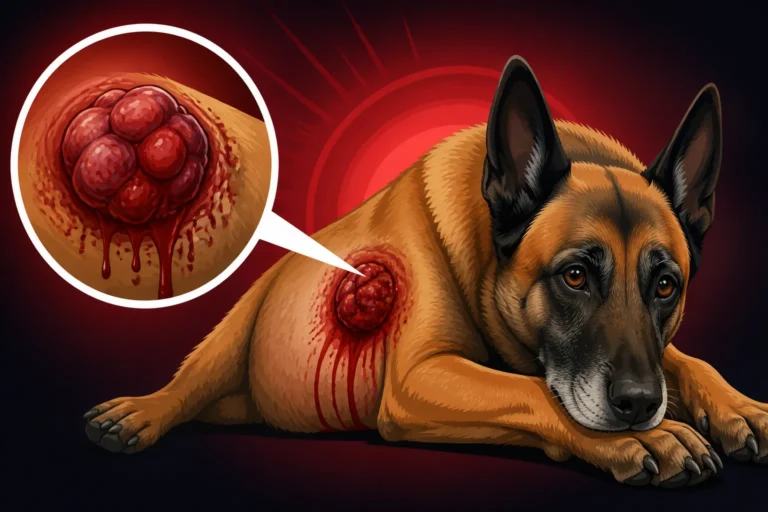
German Shepherds: Unfortunately, German Shepherds have a known predisposition to several aggressive cancers that can dramatically cut short their lives. Hemangiosarcoma, a fast-growing cancer of the blood vessel lining, often affects the spleen or heart and can lead to sudden collapse due to internal bleeding. Osteosarcoma, a painful bone cancer, is also seen more frequently in GSDs, particularly in their limbs. Lymphoma and various carcinomas are also concerns. These cancers can strike at any age but become increasingly prevalent as the dog enters its senior years, leading to a rapid decline in health. This is a sad reality that many owners of GSDs face, as detailed in articles like The Cancers That Take a Belgian Malinois (which also applies to Shepherds).
Belgian Malinois: While Malinois are not immune to cancer, they may have a slightly lower overall incidence of some of the most aggressive cancers commonly seen in German Shepherds, particularly hemangiosarcoma and osteosarcoma. However, they can still develop mast cell tumors, lymphomas, and other forms of cancer. The key difference often lies in the prevalence and the typical age of onset. Many Malinois will succumb to cancer in their later years, but perhaps with a slightly longer or more active middle age compared to a GSD who might be hit with an aggressive cancer earlier. Proactive monitoring for any unusual lumps or changes is crucial for both breeds, and your vet might recommend specific screenings as your dog ages.
Neurological and Other Conditions
Beyond orthopedic issues and cancer, both breeds can face other health concerns that impact their quality of aging.
German Shepherds: As mentioned, degenerative myelopathy is a particularly heartbreaking condition in German Shepherds. It's a progressive disease that attacks the spinal cord, leading to weakness and eventual paralysis of the hind limbs. There is no cure, and it can significantly diminish a dog's quality of life in their senior years. GSDs can also be prone to conditions like exocrine pancreatic insufficiency (EPI), which affects digestion, and various allergies. They can also suffer from bloat (gastric dilatation-volvulus), a life-threatening emergency, though perhaps less frequently than deep-chested breeds like Great Danes.
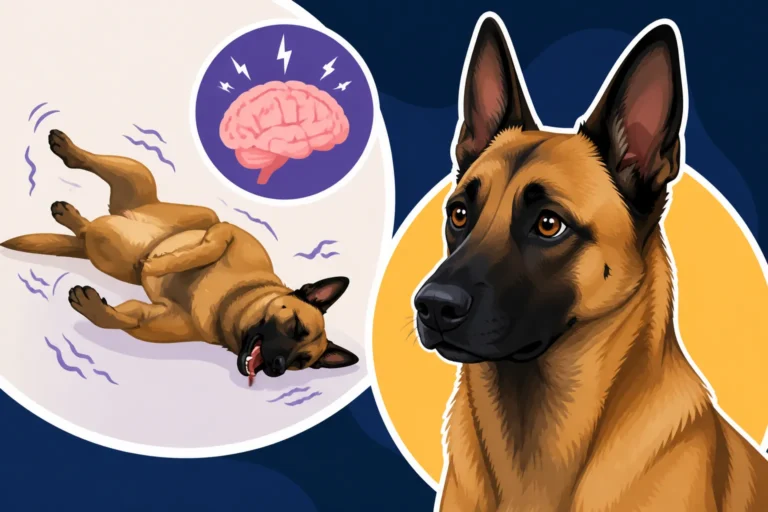
Belgian Malinois: Epilepsy is a notable concern in some Malinois lines. While often managed with medication, Managing an Epileptic Belgian Malinois on Medication can be a lifelong commitment that brings its own challenges. Seizures can be frightening and, depending on their frequency and severity, can impact a dog's cognitive function and overall well-being as they age. An article on The Seizure Disorder Running in Malinois Lines offers more insight. Malinois are also generally thought to be less prone to bloat than some other deep-chested breeds, partly due to their lean build, though it's still a risk for any large dog. Like GSDs, they can also experience allergies and other autoimmune issues.
Factors Influencing a Malinois's and Shepherd's Aging Process
It's not just genetics that determine how a dog ages. Lifestyle, nutrition, and proactive care play an enormous role in maximizing both the quantity and quality of years your Malinois or German Shepherd enjoys.
Nutrition and Exercise Through Life Stages
Proper nutrition and appropriate exercise are cornerstones of healthy aging for any dog, but especially for high-drive working breeds.
Nutrition: For both Malinois and German Shepherds, a high-quality, balanced diet tailored to their activity level is critical from puppyhood through their senior years. In their prime, a working Malinois or Shepherd needs a diet rich in protein and fat to fuel their intense activity. Owners often wonder about Feeding a Malinois That Is Never Not in Drive because their energy output is so immense. As they age, their metabolism might slow, and their activity levels may decrease. Continuing to feed a high-calorie performance diet could lead to unwanted weight gain, which is detrimental to already stressed joints. Therefore, adjusting their diet to a senior formula or simply reducing portion sizes is essential. Many vets recommend joint supplements like glucosamine and chondroitin, or omega fatty acids, which can be particularly beneficial for breeds prone to orthopedic issues. Brands like Healthy Paws, while an insurance provider, often highlight the importance of preventative care and proper nutrition in their educational materials, underscoring how these choices impact long-term health.
Exercise: While both breeds need immense amounts of exercise in their youth, the type of exercise needs to evolve as they age. For a younger dog, long runs, agility, and protection work are fantastic. However, as they enter their senior years, high-impact activities might become painful. For an older Malinois or German Shepherd, controlled leash walks, swimming (which is low-impact), mental games, and short, focused training sessions can keep them engaged without overstressing their joints. Understanding The Age a Working Malinois Starts to Slow can help you adjust their routine proactively. It's a balancing act: too little exercise can lead to muscle atrophy and stiffness, while too much or the wrong kind can exacerbate joint pain.
Veterinary Care and Proactive Management
Regular veterinary care is paramount in managing the aging process effectively. For working breeds, this isn't just about annual shots; it's about comprehensive health monitoring.
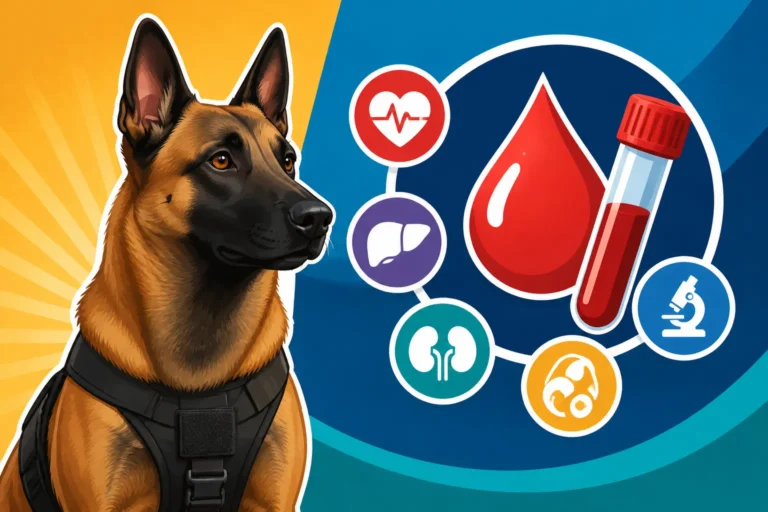
Preventative Care: Both Malinois and German Shepherds benefit from annual or bi-annual wellness checks, including a full physical exam, blood work, and urinalysis. This routine screening, like The Bloodwork a Working Malinois Should Have Annually, can catch issues like kidney disease, liver problems, or thyroid imbalances early, when they are most treatable. For breeds prone to specific conditions, your vet might recommend additional screenings. For example, regular orthopedic check-ups or screenings for degenerative myelopathy in German Shepherds, or monitoring for changes in eye health in Malinois.
Early Intervention: The high pain tolerance of many working dogs means they might hide discomfort until a condition is quite advanced. A subtle limp, a reluctance to jump into the car, or a slight change in their gait might be the first signs of developing arthritis or other joint pain, as discussed in Arthritis in a Belgian Malinois at Nine. Early intervention with pain management, anti-inflammatory medications, physical therapy, or joint supplements can significantly slow the progression of these issues and improve comfort. This proactive approach can mean the difference between years of comfortable mobility versus a rapid decline. Pet insurance providers like Healthy Paws are often invaluable here, helping cover the costs of these long-term management strategies.
Mental Stimulation and Quality of Life
Aging isn't just about the body; it's also about the mind. Both Malinois and German Shepherds are highly intelligent and thrive on mental engagement.
Cognitive Health: As dogs age, they can experience cognitive decline, similar to dementia in humans. Symptoms might include disorientation, changes in sleep-wake cycles, house-soiling, and decreased interaction. For breeds as mentally active as Malinois and German Shepherds, keeping their minds sharp is crucial for maintaining their quality of life. Puzzle toys, short training sessions reviewing old commands, scent work, and gentle trick training can all provide valuable mental stimulation. Regularly engaging their brains, even if their bodies can't do what they once could, helps prevent boredom and frustration, and can slow cognitive decline. An article on Keeping an Old Belgian Malinois Mentally Busy offers excellent strategies.
Environmental Adaptations: As they become less mobile, simple changes around the house can make a huge difference. Ramps for cars or stairs, non-slip mats on slick floors (especially important for breeds prone to hip issues), and easily accessible, comfortable orthopedic beds can help an aging dog navigate their environment with greater ease and reduce the risk of injury from slips and falls. Providing a safe, warm, and easily accessible resting spot allows them to conserve energy and recover more comfortably.
Real-World Experiences and Owner Perspectives
Beyond the scientific data and veterinary advice, the lived experience of owners provides invaluable insights into the aging process of these incredible dogs.
Anecdotal Evidence and Expectations
Many owners of Belgian Malinois often report that their dogs maintain a high level of energy and drive well into their older years, sometimes giving the impression that they are "aging better" than some German Shepherds. You might hear stories of Malinois still doing light bite work or agility at 9 or 10 years old. This isn't to say they don't feel the effects of age, but their inherent intensity can sometimes mask the physical decline, or their lighter build allows them to remain agile longer.
German Shepherd owners, on the other hand, frequently discuss the bittersweet experience of watching their powerful dogs begin to slow down physically around 7-8 years old. While their minds often remain incredibly sharp, the body might start to give out, with stiffness, difficulty rising, and a general reduction in stamina becoming noticeable. Many GSD owners find themselves managing significant orthopedic pain and mobility issues in their senior dogs, requiring consistent medication and sometimes costly interventions.
However, these are generalizations. A well-bred, well-cared-for German Shepherd from healthy lines can absolutely live a long, active life, often reaching The Age Most Malinois Live To or even longer. Conversely, a Malinois from poor lines or one that has sustained severe injuries might face significant health challenges earlier than expected. The ultimate determinant is a combination of good genetics, responsible breeding, excellent nutrition, appropriate exercise, and dedicated veterinary care throughout their lives. Ultimately, The Fourteen to Sixteen Years a Belgian Malinois Lives is largely influenced by all of these factors combined.
The Cost of Senior Care
Caring for an aging working dog, whether a Malinois or a German Shepherd, can be a significant financial undertaking. These breeds, due to their size, activity levels, and predispositions to certain conditions, often rack up considerable veterinary bills in their later years.
Ongoing Medications: Managing chronic conditions like arthritis, epilepsy, or thyroid issues often requires daily or regular medication for the rest of the dog's life. These costs can add up quickly. For instance, joint pain might necessitate daily NSAIDs (non-steroidal anti-inflammatory drugs), while an epileptic dog will be on anticonvulsants, a discussion often found in articles about Managing an Epileptic Belgian Malinois on Medication.
Specialized Treatments: As mobility declines, treatments like hydrotherapy, acupuncture, chiropractic adjustments, or even stem cell therapy might be recommended to improve comfort and mobility. These therapies are often expensive and require ongoing sessions.
Diagnostic Imaging: Diagnosing new issues in older dogs frequently involves advanced imaging like X-rays, ultrasounds, MRIs, or CT scans, which are costly.
This is where having a robust pet insurance policy, like those offered by Healthy Paws, can be a literal lifesaver. Many owners find that the monthly premiums are well worth it when facing a several-thousand-dollar bill for a cruciate repair, cancer treatment, or long-term medication for chronic conditions. Without insurance, some owners are faced with agonizing decisions about their dog's care, simply due to the financial burden. Planning for these potential costs is a crucial part of responsible ownership for any working breed.
Conclusion
So, does a Belgian Malinois age better than a German Shepherd? The answer, like with many things in the world of high-performance dogs, is nuanced and depends on a multitude of factors. On average, a Belgian Malinois might maintain physical agility for a slightly longer period due to their lighter, more moderate build, and they may have a lower predisposition to some of the most aggressive cancers and devastating neurological diseases like DM that plague the German Shepherd. Their intense drive can sometimes keep them pushing long after a heavier-boned dog might slow down.
However, Malinois are not immune to orthopedic issues, and their high-octane lifestyle can lead to different kinds of injuries. German Shepherds, while potentially facing more orthopedic challenges and specific cancer risks, can also enjoy long, fulfilling lives, especially those from well-bred lines with dedicated owners.
Ultimately, the most crucial elements for either breed's successful aging are the same: impeccable breeding that screens for genetic diseases, a high-quality diet, appropriate and evolving exercise routines, consistent and proactive veterinary care, and unwavering mental stimulation. Whether you share your life with a Malinois or a German Shepherd, being prepared for the unique challenges each breed faces as they age, and committing to their well-being, will ensure they have the best possible chance at a long, comfortable, and happy senior life.
Disclaimer
The information provided in this article is for educational and informational purposes only and does not constitute veterinary advice. Always consult with a qualified veterinarian for any health concerns or before making any decisions about your dog's care. Breed predispositions are not guarantees; every dog is an individual.