Soaking a Belgian Malinois’s Kibble
It's a common sight for us Malinois owners: our dogs inhale their food in mere seconds, barely pausing to chew. While their drive is legendary, this ravenous eating can sometimes lead to digestive upset, inadequate hydration, or even more serious health concerns. This guide will dive deep into a simple, often overlooked technique that can make a profound difference for your high-octane companion: soaking their kibble. We'll explore the 'why' and 'how' behind this method, discuss potential benefits and drawbacks, and help you decide if it's the right adjustment for your Belgian Malinois's mealtime routine.
The Core Reasons Why Soaking Kibble Might Be a Game-Changer for Your Malinois
For a breed as intensely driven and physically demanding as the Belgian Malinois, every detail of their care can impact their performance and longevity. Diet, of course, sits at the very top of that list. While dry kibble is convenient, it might not always be the optimal choice for these powerhouses, especially when considering digestion, hydration, and even appetite. Soaking kibble offers several compelling advantages worth exploring.
Improving Digestion and Nutrient Absorption
Let's face it, many Malinois eat like they haven't seen food in a week, even if they just ate an hour ago! This rapid consumption, coupled with the dense, dry nature of kibble, can be a recipe for digestive woes. When your Malinois gulps down dry food without much chewing, it's a lot for their stomach to break down. The digestive enzymes have to work harder, and sometimes, the food passes through less efficiently. You might notice issues like gas, burping, or even Soft Stools in a Malinois Under Training Stress.
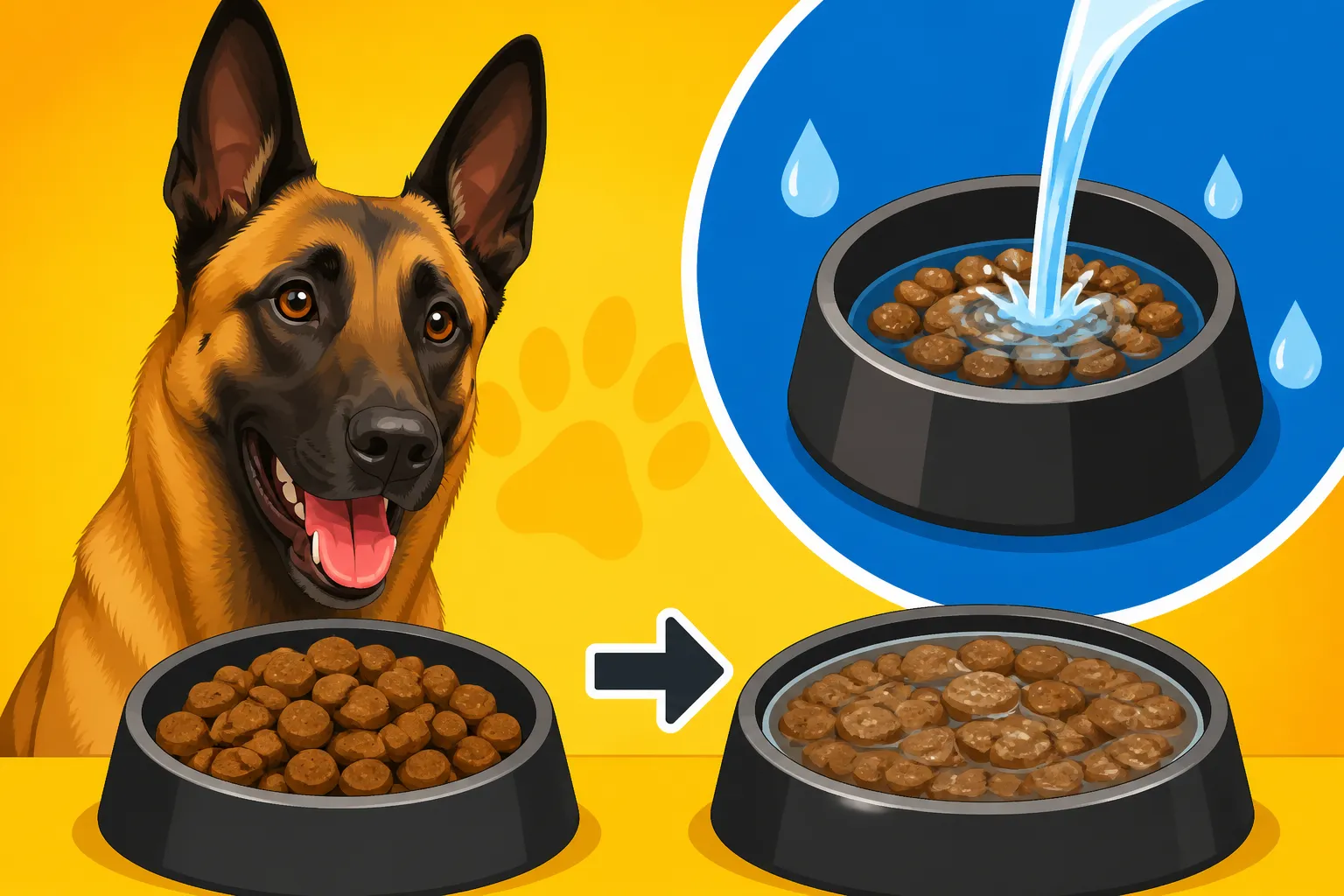
By soaking kibble, you're essentially kickstarting the digestive process before it even hits their stomach. The water softens the hard pellets, making them easier to break apart. This pre-digestion means the stomach has less work to do, allowing for more efficient absorption of nutrients. Think of it like a human pre-chewing their food – less effort for the body, more goodness extracted. This can be particularly beneficial for Malinois who are stressed or working hard, as stress can already impact their gut health. Sometimes, a simple change like soaking kibble can be as impactful as exploring Whether a Probiotic Settles a Malinois's Gut.
Boosting Hydration, Especially for Active Dogs
One of the most significant, yet often underestimated, benefits of soaking kibble for a Belgian Malinois is enhanced hydration. These dogs are athletes. Whether they're training for protection work, tearing it up on an agility course, or simply doing zoomies in the backyard for an hour, they're constantly burning energy and losing fluids. Many Malinois are so focused on their "job" or the next exciting thing that they don't always stop to drink enough water throughout the day. It's a constant struggle for many owners to keep their dogs adequately hydrated, and we often find ourselves actively looking for ways to encourage them, like trying to figure out Getting Water Into a Malinois That Is Too Busy.
Incorporating water directly into their meals ensures they're getting a significant hydration boost with every bite. This is especially critical during hot weather or intense training sessions. If you're out on the field for hours, working through multiple scenarios, that extra water intake at mealtime can prevent dehydration and help with recovery. It complements their regular water intake, making sure their bodies have what they need to perform and recover. Proper Hydrating a Belgian Malinois During Training isn't just about water bowls; it's about finding every opportunity to ensure they're topped up.
Making Mealtime More Appealing for Picky Eaters
"Picky eater" and "Belgian Malinois" might sound like an oxymoron to some, but trust me, they exist! Whether it's due to stress from a new environment, being overly focused on work, or just having a sensitive palate, some Malinois can be surprisingly finicky. A dog that's usually a vacuum cleaner suddenly turning up its nose at its food can be incredibly frustrating and worrying, especially when you're preparing for a trial and they need every ounce of energy. This is particularly true when your Malinois is dealing with the high-stakes environment of a competition or has just completed a demanding training session; they might be A Belgian Malinois That Refuses Food at a Trial.
Soaking kibble can dramatically improve its palatability. The warm water releases the aromas from the food, making it more fragrant and enticing. The softened texture can also be more appealing, especially for dogs with sensitive teeth or older Malinois who might find hard kibble uncomfortable to chew. It transforms a bland, dry meal into something more akin to a stew, which can be far more appetizing. This simple change can be a real lifesaver for owners struggling with a dog who is Feeding a Belgian Malinois That Will Not Eat Under Stress, helping them get the calories and nutrients they need even when their appetite is low.
Addressing the Risk of Bloat in Deep-Chested Breeds
Gastric Dilatation-Volvulus (GDV), commonly known as bloat, is a terrifying and life-threatening condition for deep-chested breeds like the Belgian Malinois. While the exact causes are complex and not fully understood, rapid eating, gulping air, and exercising too close to meals are often implicated. The dry kibble expands in the stomach as it absorbs water, and if the dog eats too quickly and swallows a lot of air, this can contribute to the stomach twisting. We, as Malinois owners, are always on high alert for anything that might lead to Whether Torsion Happens in Belgian Malinois.
While soaking kibble is not a guaranteed prevention method, it can significantly reduce some of the associated risks. By pre-soaking the food, it expands before consumption, meaning less expansion happens in the stomach. This can potentially reduce the amount of air swallowed and the overall volume of food expanding internally. It's one more layer of caution we can take to minimize the risk, especially when considering common Feeding Habits That Raise a Malinois's Torsion Risk. Coupled with measures like using slow-feeder bowls and ensuring adequate rest before and after meals, soaking kibble can be a valuable part of a comprehensive bloat prevention strategy.
Practical Steps for Effectively Soaking Your Malinois's Kibble
Alright, you're convinced that soaking kibble might be worth a shot for your Belgian Malinois. But how exactly do you do it? It's not rocket science, but there are a few best practices to ensure you're doing it safely and effectively to maximize those benefits we just discussed.
Choosing the Right Liquid and Temperature
When it comes to soaking your Malinois's kibble, plain old water is usually your best bet. It's readily available, free, and does the job perfectly without adding unnecessary calories or ingredients that might upset your dog's stomach. Tap water is fine, but if you drink filtered water, your dog can certainly benefit from it too.
However, you can get a little creative if your Malinois is particularly picky or needs an extra nutritional boost. You could use:
- Low-sodium chicken or beef broth: Just make sure it's genuinely low-sodium and free of onions, garlic, or xylitol, which are toxic to dogs. Brands like Chewy often carry dog-specific broths if you want to be extra safe.
- Goat's milk: Some dogs tolerate goat's milk well, and it can add a nice nutritional kick, especially for puppies or dogs needing to gain weight.
- Bone broth: Again, ensure it's dog-safe. Bone broth is often touted for its gut-health benefits.
Now, let's talk temperature. Warm water is generally preferred over cold. Why? Because warm water helps break down the kibble faster, releases more of those enticing aromas, and is often more palatable for dogs. Imagine trying to eat cold, soggy cereal versus warm oatmeal – same principle! However, don't use boiling hot water, as extreme heat can degrade some of the vitamins and nutrients in the kibble. Aim for comfortably warm, like what you'd use for a baby's bottle.
Mastering the Soaking Time for Ideal Consistency
This is where a little experimentation comes in, as different kibbles absorb water at different rates. The goal is to get a consistency that's soft and palatable without being a watery mess.
Here's a general guideline:
- Start with a 1:1 ratio: For every cup of kibble, add about 1 cup of warm water or chosen liquid.
- Initial soak: Let it sit for 10-15 minutes. For most kibbles, this will soften the outer layer and make it easier to chew.
- Longer soak: If you want a mushier consistency, or if your Malinois has dental issues, you can soak it for 30 minutes to an hour, or even longer. Some owners prepare meals several hours in advance or even overnight in the fridge.
The ideal consistency depends on your dog's preference and your goals. For a dog that eats too fast, a slightly mushy consistency might force them to slow down more than just softened pellets. For hydration, the more liquid absorbed, the better. You can always add a little more water just before serving if it looks too dry, or a little more kibble if it's too soupy.
Storage and Food Safety for Soaked Kibble
This is perhaps the most critical aspect of soaking kibble: food safety. Unlike dry kibble, which can sit in a bowl for hours, wet food creates a prime environment for bacterial growth, especially in warm temperatures.
- Immediate consumption: If you're using warm water and soaking for a short period (10-30 minutes), serve it immediately. Don't leave it sitting out for more than an hour, especially in warm weather.
- Refrigeration: If you plan to soak kibble for longer than 30-60 minutes, or if you're preparing multiple meals in advance, it must be refrigerated. Store soaked kibble in an airtight container in the fridge for no more than 24-48 hours. After that, it's best to discard it.
- Portion control: Only soak the amount your Malinois will eat in one sitting. Don't leave a large batch of soaked kibble sitting out all day.
- Cleanliness: Always use clean bowls and utensils. Wash your Malinois's food bowl thoroughly after each meal with soap and hot water to prevent bacterial buildup. This is especially important for The Checkup Schedule a Sport Malinois Should Keep as maintaining good hygiene contributes to overall health.
| Soaking Method | Liquid Type | Temperature | Soaking Time | Benefits | Considerations |
|---|---|---|---|---|---|
| Quick Soak | Water | Warm | 10-15 minutes | Softens, releases aroma, quick hydration | Serve immediately, minor texture change |
| Longer Soak (Fridge) | Water, Broth | Warm/Cold | 30 min – 12 hours | Very soft, max hydration, highly palatable | Must be refrigerated, shorter shelf life |
| Flavor Boost Soak | Dog-safe Broth/Goat Milk | Warm | 15-30 minutes | Increased palatability, added nutrients | Check ingredients for safety, higher cost |
| Mushy Consistency | Water | Warm | 30 min – 1 hour | Eases chewing, slows eating, max digestion | Can be messy, may require slow-feeder bowl |
Weighing the Potential Downsides of Soaked Kibble
While the benefits of soaking kibble for your Belgian Malinois are clear, it's important to approach any dietary change with a balanced perspective. There are a few potential drawbacks and considerations you'll want to keep in mind before making this a permanent part of your Malinois's routine.
Impact on Dental Health and Oral Hygiene
One of the often-cited benefits of dry kibble is its supposed role in helping to keep teeth clean. The abrasive action of crunching hard kibble can, to some extent, help scrape away plaque and tartar. When you consistently soak kibble, you remove this abrasive quality entirely. This means your Malinois's teeth won't get that incidental cleaning, which could potentially lead to faster plaque buildup. This is a legitimate concern, especially for a breed known for its powerful bite and potentially chipped canines from sport work. You definitely don't want to neglect Daily Tooth Brushing for a Malinois That Bites.
If you decide to soak your Malinois's kibble regularly, you absolutely must step up your dental hygiene game. This means more frequent tooth brushing at home, offering appropriate dental chews (always supervised!), and ensuring your vet is checking their teeth regularly. It's crucial to factor in the need for routine dental care, potentially including professional cleanings, to prevent issues down the line. We want our Malinois to have healthy teeth for their whole lives, not just when they're actively working. Thinking about Whether a Malinois That Bites Needs Yearly Dentals becomes even more pertinent here.
The Mess Factor and Maintaining Cleanliness
Let's be honest: Malinois aren't known for their dainty eating habits. They're usually efficient, but "clean" isn't always the first word that comes to mind. Soaked kibble, particularly if it's a mushier consistency, can amplify the mess factor. Bits of softened food can get flung around the feeding area, stick to their muzzle, and quickly turn a clean floor into a sticky, food-splattered zone. If your Malinois is an enthusiastic eater, prepare for some extra cleanup!
This might not be a huge deal if your Malinois eats outdoors or in a designated, easy-to-clean space. But for indoor eaters, especially in carpeted areas, it can become a headache. You might find yourself investing in a high-sided feeding station, a large mat to catch spills, or simply resigned to wiping down the area after every meal. While a little mess is a small price to pay for a healthier, happier dog, it's a practical consideration for owners who are already battling the general chaos a Malinois can bring into a home.
The Shelf Life of Soaked vs. Dry Kibble
We touched on this briefly under food safety, but it's worth reiterating and expanding upon. Dry kibble is incredibly shelf-stable, designed to sit in a bag or bin for weeks or even months without spoiling. Once you add water, that stability vanishes. Soaked kibble becomes a perishable food item, much like canned wet food or a homemade meal. As discussed, bacterial growth becomes a real concern.
This means you can't leave a bowl of soaked kibble out all day for your Malinois to graze on. Each meal needs to be prepared fresh or taken from a refrigerated, pre-soaked batch that hasn't been sitting out for long. For owners with busy schedules or those who prefer to free-feed their dogs (which, honestly, isn't usually recommended for Malinois anyway due to their drive and potential for bloat), this requires a significant shift in routine. You'll need to be diligent about feeding times and quickly removing any uneaten food to prevent spoilage and potential gastrointestinal upset.
Beyond Soaking: Other Ways to Enhance Your Malinois's Meals
Soaking kibble is a fantastic, simple trick, but it's by no means the only way to boost your Belgian Malinois's nutrition and hydration. Sometimes, a little extra something can make all the difference, whether it's for pickiness, performance, or overall health. Think of it as tailoring their meal to their specific needs, much like a performance athlete fine-tunes their own diet.
Incorporating Hydrating Toppers and Supplements
If soaking kibble isn't quite hitting the mark, or if you're looking for additional ways to sneak in moisture and nutrients, meal toppers are your friend. These can turn a standard bowl of kibble into a gourmet experience for your Malinois and provide targeted health benefits.
- Bone Broth: High-quality bone broth (look for human-grade or dog-specific, free from onions/garlic) is a powerhouse. It's packed with collagen, amino acids, and minerals, which can support joint health, gut health, and skin and coat condition. It's also incredibly palatable and a fantastic source of hydration. You can find excellent options from pet supply stores like Chewy, or even on Amazon.
- Plain Yogurt or Kefir: For a probiotic boost, a dollop of plain, unsweetened yogurt or kefir (goat or cow milk) can aid digestion and gut flora. Start with a small amount to see how your Malinois tolerates dairy.
- Pureed Pumpkin or Sweet Potato: These are great sources of fiber and can help regulate digestion. A tablespoon or two of plain, canned pumpkin (not pie filling!) can be a lifesaver for an upset stomach or to add moisture.
- Omega-3 Fatty Acid Supplements: Fish oil or krill oil can do wonders for skin, coat, and joint health, and can also have anti-inflammatory benefits. These are often added directly to the kibble. When considering Supplements a Working Belgian Malinois Owner Buys, omega-3s are often at the top of the list.
The key with toppers is to introduce them slowly and in small quantities to avoid upsetting your Malinois's stomach. Always choose high-quality ingredients and consult with your vet if you have any concerns about adding new supplements, especially if your dog has existing health conditions.
Considering Fresh or Wet Food Additions
For those who want to take their Malinois's diet to the next level, incorporating fresh or wet food can be a game-changer. This doesn't mean you have to abandon kibble entirely; often, a "mixed feeding" approach works best for both budget and convenience.
- Adding Wet Canned Food: A spoonful of high-quality wet canned food mixed into the kibble can make it incredibly appealing and add significant moisture. Look for brands with whole ingredients and minimal fillers. This is a simple step that many owners take, and can be a good alternative to soaking if you want different flavors and textures.
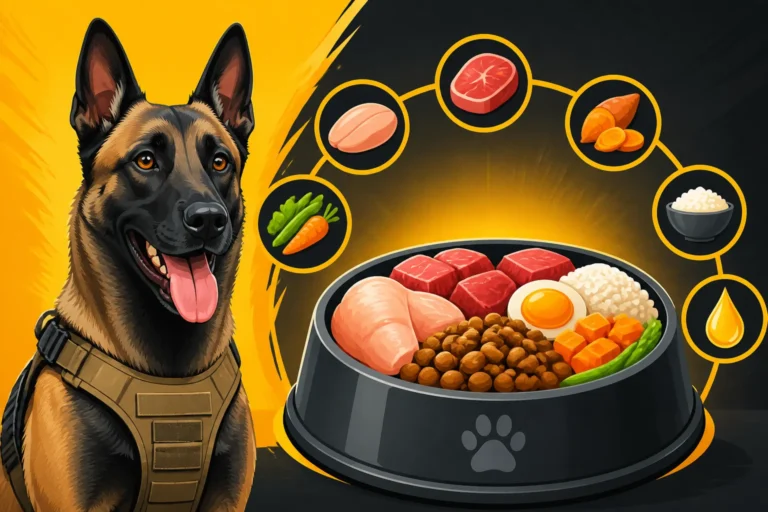
- Fresh Cooked Additions: If you have the time, you can add small portions of cooked lean meats (chicken, turkey, beef), plain rice, or steamed vegetables to your Malinois's kibble. Again, ensure all ingredients are safe for dogs (no onions, garlic, grapes, etc.) and cooked without excessive seasonings. This allows for a lot of customization.
- Commercial Fresh Food Diets: Brands like Ollie offer human-grade, fresh dog food that can be fed as a complete meal or used as a topper. These are often highly palatable and very digestible, though they tend to be more expensive than kibble. If you're exploring Whether Raw Feeding Suits a Malinois in Training, a fresh cooked diet can be a great step in that direction, offering many similar benefits without the handling complexities of raw meat. While the Fresh Food Costs for a Belgian Malinois might seem daunting, even a small amount as a topper can elevate their meal.
The benefit of these additions, whether wet food or fresh cooked, is that they naturally increase hydration and can offer a wider array of nutrients and enzymes than dry kibble alone. They can also provide mental enrichment, as sniffing out different textures and smells in their bowl can be a stimulating experience for a high-drive Malinois. Always remember to adjust the amount of kibble you're feeding to account for the added calories from toppers or wet food to prevent unwanted weight gain.
Disclaimer
This article is for general informational purposes only and does not constitute professional advice. Laws, prices and regulations vary by location and change over time. Consult a qualified professional for guidance on your specific situation.