Whether Joint Support Helps a Malinois Before Nine
It’s a common worry for Belgian Malinois owners: our dogs are living, breathing bundles of intensity, always pushing their physical limits. This incredible drive, while defining the breed, also brings concerns about their longevity and, specifically, the health of their hardworking joints. Many of us find ourselves asking if we should be doing more for their joint health long before they show any outward signs of slowing down. This guide will dive into whether proactive joint support can truly benefit your Malinois before they reach what we typically consider "old age," exploring the science, practical considerations, and what you can realistically do to support their active lives.
Understanding Malinois Joint Health and Early Challenges
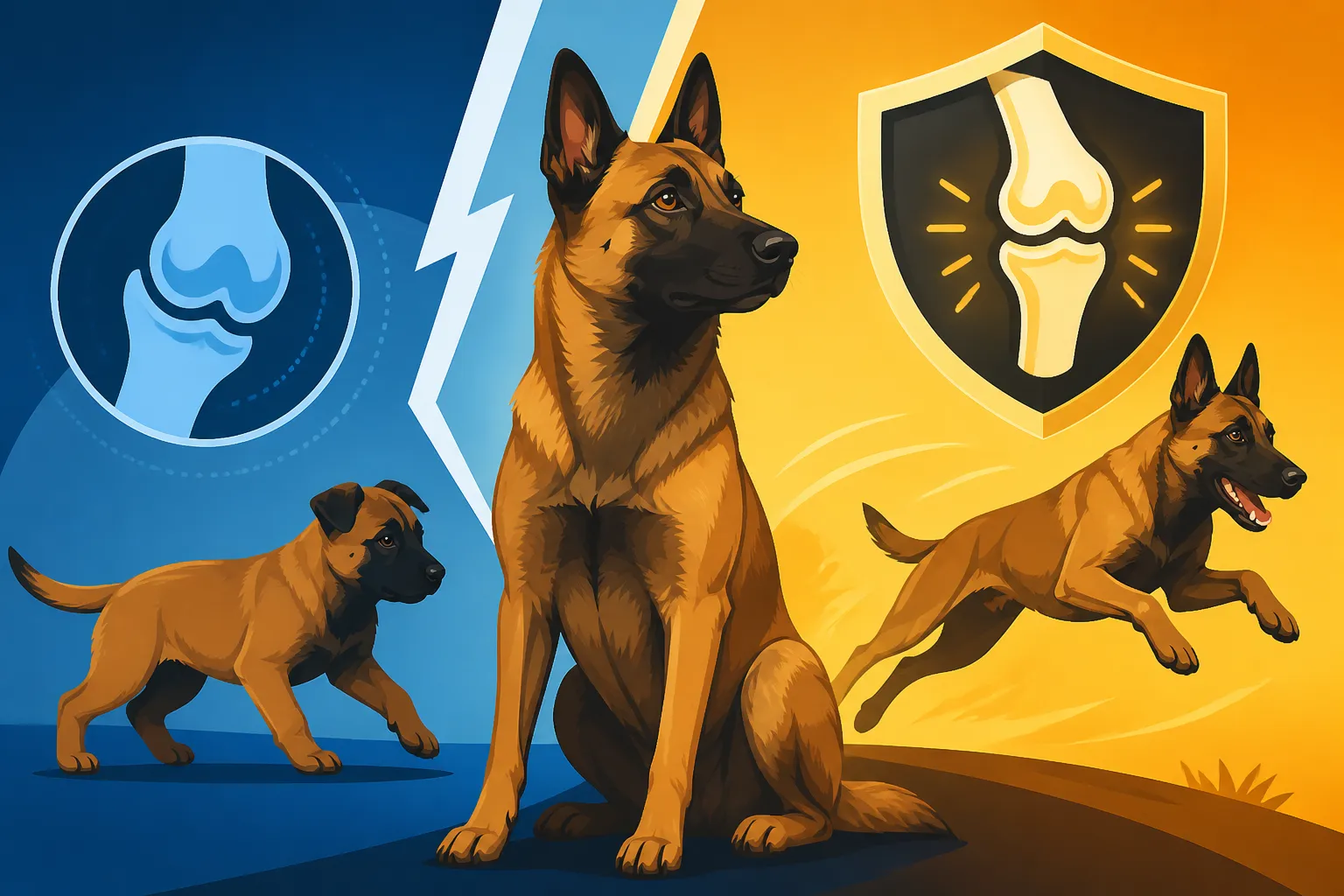
The Belgian Malinois is an athletic marvel, built for speed, agility, and power. But this very athleticism, combined with their relentless drive, means their joints are often under significant stress from a young age. It's not just the impact of jumping or hard landings; it's the constant, high-intensity movement that asks a lot of their musculoskeletal system.
The Intense Lifestyle of a Young Malinois
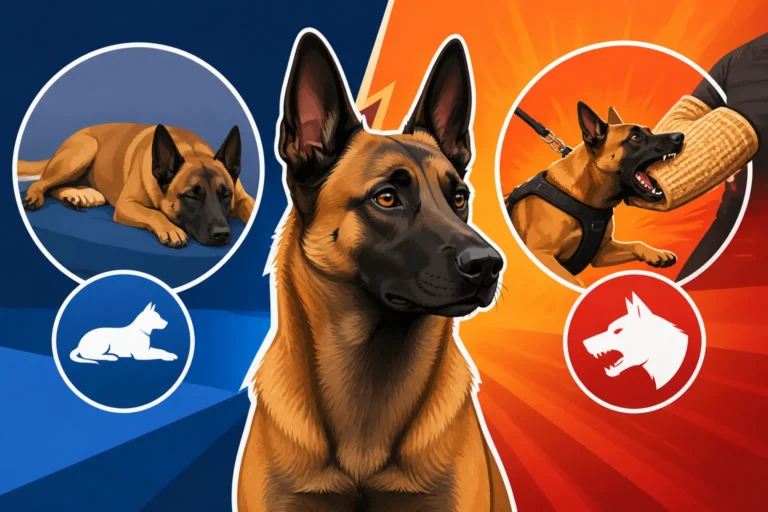
Think about a typical day for a young Malinois. It's rarely a leisurely stroll around the block. These dogs are often engaged in demanding activities: bite work, agility, long runs, intense ball sessions, or complex police and military training. Each explosive jump, sharp turn, and hard stop places considerable force on their hips, elbows, shoulders, and spine. Even in a pet home, a Malinois often self-exercises with such intensity that it mimics the demands of a working career.
Unlike some breeds that might "save" themselves, a Malinois will often push through discomfort, relying on its high pain tolerance and immense desire to work. This can mask early signs of joint wear and tear, making it difficult for owners to spot issues until they're more advanced. We often see them shake off what would sideline a lesser dog, but that doesn't mean their bodies aren't feeling the strain over time. This constant, high-impact lifestyle, even from their puppy and adolescent years, contributes to the cumulative stress on their joints, laying the groundwork for potential issues later on. You might ask, Whether Jumping Damages a Young Malinois's Joints? The answer is often tied to how consistently and intensely they engage in such activities, and whether proper conditioning is in place.
Common Joint Issues in Malinois
While famously hardy, Malinois aren't immune to orthopedic problems. Hip and elbow dysplasia are certainly concerns, as they are in many larger, active breeds. These are developmental conditions where the joints don't form correctly, leading to instability and eventually arthritis. While genetic screening by reputable breeders aims to reduce the incidence of these issues—you'll want to review The Hip and Elbow Numbers Behind a Malinois Clearance when choosing a puppy—environmental factors and intense early exercise can still influence their expression.
Beyond dysplasia, Malinois can also be prone to other joint-related issues stemming from their activity, such as ligament tears (especially cruciate ligaments), shoulder injuries from impact work, and spinal issues down the line. These aren't always problems that wait until old age to appear; sometimes, the seeds are sown in their enthusiastic youth. Understanding these predispositions helps us think about proactive care, rather than simply reacting to a problem once it's undeniable.
When "Old" Starts for a Malinois
For a Belgian Malinois, the concept of "old age" isn't a hard-and-fast number like a human's 65. Physically, many Malinois can still be incredibly active and vital well into their senior years, often working past eight or nine if well-maintained. However, the wear and tear on their joints can certainly begin much, much earlier. It's not uncommon to see the subtle signs of stiffness or a slightly slower start after a nap in dogs as young as five or six, especially if they've had a highly active life.
The intense demands placed on them from puppyhood mean their joint cartilage, ligaments, and supporting musculature are put to the test constantly. Just because a dog isn't limping doesn't mean their joints aren't undergoing microscopic changes or experiencing low-grade inflammation. For a Malinois, "old" joints might not manifest as overt lameness until they've accumulated years of stress. This is precisely why the question of proactive support before they're truly considered senior—which for many Malinois might be around nine or ten years old—becomes so relevant. We want to keep them sound and working longer, delaying the need to contemplate Retiring a Working Belgian Malinois From the Job.
Types of Joint Support and Their Mechanisms
When we talk about joint support, it's not just about a single pill or magic bullet. It's a multi-faceted approach that combines nutrition, lifestyle management, and professional veterinary oversight. Each component plays a vital role in maintaining the integrity and function of those hardworking Malinois joints.
Nutritional Supplements
The most common form of proactive joint support comes in the form of nutritional supplements. These are typically designed to provide the building blocks for cartilage health, reduce inflammation, and improve joint lubrication.
- Glucosamine and Chondroitin: These are probably the most well-known joint supplement ingredients. Glucosamine is an amino sugar that plays a role in the construction of cartilage. Chondroitin sulfate is a complex carbohydrate that helps cartilage retain water, maintaining its elasticity and shock-absorbing properties. The idea is that by supplementing these, you're providing the raw materials the body needs to repair and maintain healthy cartilage, potentially slowing down its degradation. You can often find a wide variety of these supplements available on platforms like Chewy or Amazon, making it easy to compare options and reviews.
- MSM (Methylsulfonylmethane): MSM is a naturally occurring sulfur compound that's often included for its anti-inflammatory and pain-reducing properties. Sulfur is crucial for the formation of connective tissues, so MSM is thought to support cartilage health and reduce the discomfort associated with joint stress.
- Omega-3 Fatty Acids (EPA & DHA): Found abundantly in fish oil, Omega-3s, particularly EPA and DHA, are powerful anti-inflammatory agents. They work by altering the body's inflammatory pathways, which can significantly reduce joint inflammation and pain. This is huge for active dogs like Malinois, where low-grade inflammation might be chronic due to constant impact. Many quality pet foods, including fresh food options like those offered by Ollie, are starting to incorporate higher levels of these beneficial fatty acids. They don't directly rebuild cartilage, but they create a healthier environment for joints.
- Other Ingredients: You might also see ingredients like hyaluronic acid (for joint lubrication), green-lipped mussel (a natural source of glucosamine, chondroitin, and Omega-3s), and various antioxidants. The goal of all these is to either provide structural components for joints, reduce inflammation, or improve joint comfort and mobility. Choosing a reputable brand that provides proper dosing for a high-energy dog like a Malinois is key.
Lifestyle and Environmental Adjustments
Supplements are only one piece of the puzzle. How you manage your Malinois's daily life and environment can have an even more profound impact on their joint health.
- Controlled Exercise: While a Malinois needs intense exercise, controlled exercise is vital, especially for younger dogs. This means avoiding excessive high-impact activities on hard surfaces, especially before their growth plates have closed. Focus on varied activities, incorporating swimming, soft-surface retrieves, and hill work that builds muscle without relentless pounding. Gradual warm-ups before intense sessions and cool-downs afterward can also make a huge difference in joint resilience. Knowing How Much Exercise a Belgian Malinois Puppy Should Get is critical to prevent early strain.
- Weight Management: This is, arguably, the single most important factor in joint health. Even a few extra pounds put significant additional stress on joints, exacerbating any underlying issues. A Malinois should always be kept lean, with ribs easily felt but not visibly prominent, and a distinct waistline. If you're unsure about your dog's ideal weight, refer to The Lean Condition a Belgian Malinois Should Carry. Your vet can help you assess their body condition score.
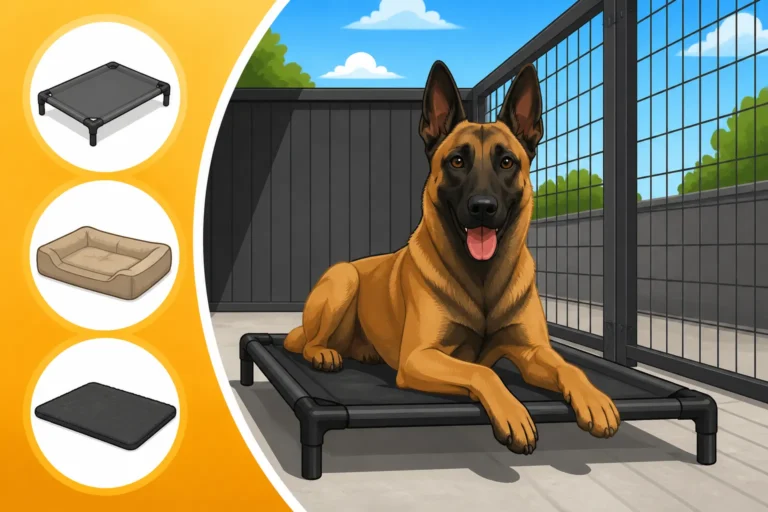
- Appropriate Surfaces and Bedding: Running on asphalt or concrete regularly can be very jarring for joints. Incorporate training on grass, sand, or dirt whenever possible. At home, provide orthopedic bedding, especially for older or heavily worked dogs, to support their joints while resting. Avoid slick floors which can cause splaying and joint strain. You can find quality orthopedic beds on Amazon or other pet supply retailers.
- Preventing Injuries: Simple measures like ensuring clear training areas, inspecting equipment, and avoiding sudden, uncontrolled movements can prevent acute injuries that can have long-term effects on joint health.
Proactive Veterinary Care
Don't underestimate the power of your veterinarian in managing your Malinois's joint health. They are your primary partner in this journey.
- Regular Check-ups: Annual or bi-annual veterinary visits are crucial, even for seemingly healthy young dogs. Your vet can perform orthopedic examinations, identify subtle changes, and discuss any concerns you might have. They can help you interpret signs that a Malinois, with its high drive, might try to hide. For a working Malinois, annual bloodwork is also a good idea to monitor overall health, including inflammatory markers that might indicate underlying issues. This kind of comprehensive care ensures you're ahead of any potential problems, allowing for early intervention.
- Early Screening: For breeds prone to hip and elbow dysplasia, considering early screening—such as PennHIP or OFA evaluations—even before breeding age, can provide valuable information about joint laxity. While these are often done for breeding animals, they can give a dedicated owner insight into their dog's predispositions. The Age a Malinois Is Ready for Final Hip Films is typically around two years old, but preliminary evaluations can sometimes be done earlier.
- Consultation on Supplements: Always discuss any supplements with your vet before starting them. They can advise on appropriate dosages, potential interactions with other medications, and whether a specific supplement is truly indicated for your dog's individual needs and health profile. They can also help you navigate the vast array of products available and recommend reputable brands.
The Debate: Proactive Supplementation vs. "Wait and See"
The question of whether to start joint supplements for a Malinois before any signs of joint discomfort appear is a topic of ongoing discussion among veterinarians and owners alike. There are valid arguments on both sides, and ultimately, the best approach often depends on the individual dog, its lifestyle, and the owner's philosophy.
Arguments for Early Intervention
Proponents of early, proactive joint supplementation often highlight the idea of prevention and maintenance. The logic is that it's far easier to support healthy cartilage and reduce low-grade inflammation before significant damage occurs, rather than trying to repair it once it's already deteriorated.
- "An Ounce of Prevention": For a breed like the Malinois, which puts its body through intense paces from a young age, the argument is that daily wear and tear is inevitable. Providing nutritional support like glucosamine, chondroitin, and Omega-3s from a younger age (say, 2-3 years old, or even earlier for dogs in heavy training) could help fortify cartilage, improve joint fluid quality, and dampen inflammatory responses. This might slow down the progression of degenerative joint disease.
- Maintaining Performance: For working Malinois, staying sound is paramount. If proactive supplementation can contribute to maintaining joint integrity and comfort, it could extend their working careers and improve their quality of life in demanding roles. An owner dedicated to bite sport or police work might see this as an investment in their dog's ability to perform at its peak for longer, preventing the need for more drastic interventions down the road. You certainly want to do everything you can to avoid issues that might lead to The Spinal Disease That Ends a Malinois's Mobility, for instance.
- No Obvious Harm (Generally): For most healthy Malinois, joint supplements are generally considered safe with minimal side effects when administered correctly. This makes the "risk" of trying them relatively low, especially compared to the potential benefits. Of course, always clear any supplement with your vet first to ensure it's appropriate for your specific dog.
Arguments for Symptom-Based Treatment
On the other side of the coin, some veterinarians and owners prefer to wait until a dog exhibits actual symptoms of joint discomfort before starting supplements. This approach is often driven by practical considerations and skepticism about the efficacy of supplements in truly preventing disease in asymptomatic dogs.
- Cost and Efficacy: Joint supplements, particularly high-quality ones suitable for a large, active breed, can be a significant ongoing expense. If a dog never develops joint issues, or only develops them much later, that money could have been spent elsewhere. Furthermore, while anecdotal evidence and some studies support the use of supplements in dogs with diagnosed osteoarthritis, the evidence for their preventative effect in healthy, asymptomatic dogs is less robust and can be debated. Some argue that the body might not absorb or utilize these supplements effectively if there isn't an existing need.
- Masking Underlying Issues: In rare cases, if a supplement has pain-relieving effects, it could theoretically mask subtle signs of a developing serious orthopedic problem, potentially delaying a necessary diagnosis and intervention. However, this is usually less of a concern with nutritional supplements and more with powerful anti-inflammatory drugs.
- Focus on Proven Methods: Some prefer to focus their resources and efforts on methods with undeniable, proven benefits for joint health, such as strict weight management, appropriate exercise, and high-quality nutrition. They might view supplements as a secondary or reactive measure.
Finding the Right Balance for Your Malinois
Ultimately, there's no single "right" answer that applies to every Malinois. The decision often comes down to a careful discussion with your veterinarian, considering several factors specific to your dog.
- Your Malinois's Activity Level: Is your Malinois a high-level sport dog, a police K9, or a very active pet who self-exercises with intensity? The higher the demands on their joints, the more compelling the argument for proactive support.
- Genetic Predisposition: Does your Malinois come from lines with known orthopedic issues? Even with clearances, a history of problems in the pedigree might lean you towards earlier intervention.
- Body Condition: If your Malinois is struggling to stay lean, or has a history of growth-related issues, joint support might be more warranted.
- Your Comfort Level and Resources: Some owners prefer to be proactive and are willing to invest in supplements as a preventative measure. Others prefer to save that expense until there's a clear need.
A reasonable compromise for many Malinois owners is to consider starting a good quality Omega-3 fatty acid supplement in their dog's younger adult years (e.g., 2-4 years old), given its broad anti-inflammatory benefits, even if they choose to hold off on glucosamine/chondroitin until their dog is closer to mid-life or shows the first subtle signs of stiffness. A conversation with your vet during The Checkup Schedule a Sport Malinois Should Keep will be invaluable.
Practical Steps for Supporting Your Younger Malinois's Joints
Beyond the debate, there are concrete, actionable steps you can take right now to set your Malinois up for long-term joint health. These strategies are beneficial regardless of whether you opt for early supplementation, and they form the bedrock of responsible Malinois ownership.
Diet and Weight Management: The Unsung Heroes
If there's one area where you can have the most profound impact on your Malinois's joint health, it's maintaining an optimal body weight. This is more crucial than any supplement. Every extra pound your Malinois carries translates into increased stress on their joints, accelerating wear and tear.
- Keep Them Lean: A Malinois should always look athletic and sleek. You should be able to easily feel their ribs without seeing them prominently, and they should have a clear tuck-up and waist when viewed from above. It's a fine line between a Malinois carrying ideal condition and being underweight, but erring on the side of lean is always better for joint longevity. Regularly assess their condition using your hands and eyes, and don't hesitate to ask your vet for an objective assessment. This lean condition isn't just aesthetic; it’s directly functional for their joints.
- High-Quality Nutrition: Feed a balanced, high-quality diet appropriate for an active breed. Performance formulas are often suitable for Malinois that are working hard every day. Some owners explore fresh food options, like those from Ollie, which can offer highly digestible nutrients and often help with weight management due to precise portioning. Ensure the food provides adequate protein for muscle maintenance, as strong muscles provide crucial support to joints. Be mindful of Feeding a Malinois That Is Never Not in Drive to ensure they get enough fuel without overfeeding.
- Portion Control and Treats: Malinois are often highly food-motivated, which can make it easy to overfeed. Measure their food portions precisely and factor in all treats when calculating their daily caloric intake. Choose healthy, low-calorie treats or use their regular kibble for training rewards.
Controlled Exercise and Warm-ups
The intensity of a Malinois means their exercise needs careful management, especially when young, to protect their developing joints.
- Vary the Activity: Don't just stick to high-impact running and jumping every day. Incorporate activities that build muscle and stamina without excessive pounding. Swimming is fantastic for building muscle with zero joint impact. Fast walks, light jogging on soft ground, and structured obedience work also contribute to fitness without overstressing joints. For an older or working Malinois, consider The Year a Malinois Starts Working Shorter Sessions to adapt to their changing needs.
- Proper Warm-ups and Cool-downs: Just like human athletes, a Malinois benefits immensely from a proper warm-up before intense physical activity. A 5-10 minute walk or light trot helps get blood flowing to muscles and lubricates joints. After a session, a similar cool-down walk helps prevent stiffness and aids recovery. This simple routine can make a big difference in preventing strains and supporting joint health over time.
- Age-Appropriate Training: Avoid highly strenuous, high-impact activities like jumping extreme heights or intense agility weaving until your Malinois's growth plates have closed, typically around 12-18 months of age. Pushing a young dog too hard too soon can lead to developmental orthopedic problems. Always be mindful of How Much Exercise a Belgian Malinois Puppy Should Get.
Choosing Quality Joint Supplements
If you and your vet decide that joint supplementation is appropriate for your younger Malinois, choosing the right product is key. Not all supplements are created equal.
- Research Reputable Brands: Look for brands that have good reputations, conduct third-party testing, and ideally, have some scientific backing for their claims. Brands that are veterinarian-recommended often have higher quality control. Don't be swayed by flashy packaging; focus on the ingredients and sourcing. Online retailers like Chewy and Amazon offer a vast selection, but it's important to sift through and research.
- Key Ingredients and Dosage: Ensure the supplement contains the active ingredients you're looking for (glucosamine, chondroitin, MSM, Omega-3s, etc.) at therapeutic levels appropriate for a dog of your Malinois's weight. The dosage for a 60-pound Malinois will be different from a smaller breed.
- Formulation Matters: Supplements come in various forms: chews, powders, liquids. Choose a form that your Malinois will readily consume and that fits into your daily routine. Many Malinois will eat anything, but palatability is still a factor. Many owners find Joint Supplements for a Working Belgian Malinois to be a helpful starting point.
Regular Vet Check-ups and Screening
Your veterinarian is your most valuable resource in proactive joint care.
- Consistent Vet Visits: Maintain a schedule of regular veterinary check-ups, ideally annually, even if your Malinois seems perfectly healthy. These visits allow your vet to perform thorough orthopedic exams, palpate joints, and assess gait. They might catch subtle signs of stiffness or discomfort that you, as the owner, might miss because your Malinois is so driven. This also provides an opportunity to discuss any concerns you have about their activity levels, changes in movement, or overall well-being.
- Discuss Proactive Screening: If you have concerns about genetic predispositions or if your Malinois comes from lines with a history of joint issues, discuss proactive screening like OFA or PennHIP with your vet. While these are primarily done for breeding purposes, they can offer valuable insight into your dog's joint health and help you make informed decisions about their care and activity levels.
- Open Communication: Be open and honest with your vet about your Malinois's daily activities, training regimen, and any changes you observe, no matter how minor. A slight hesitation on stairs, a slower get-up after rest, or a change in how they carry themselves after a hard session can all be important clues. Your vet can help you decide if Physical Therapy Prices for a Belgian Malinois might be a necessary investment later on.
By combining diligent weight management, thoughtful exercise, and proactive veterinary care, you give your Malinois the best possible chance at long-term joint health, allowing them to thrive and enjoy their incredibly active lives for years to come.
Disclaimer
This article is for general informational purposes only and does not constitute professional advice. Laws, prices and regulations vary by location and change over time. Consult a qualified professional for guidance on your specific situation.