Whether an Old Belgian Malinois Feels the Cold
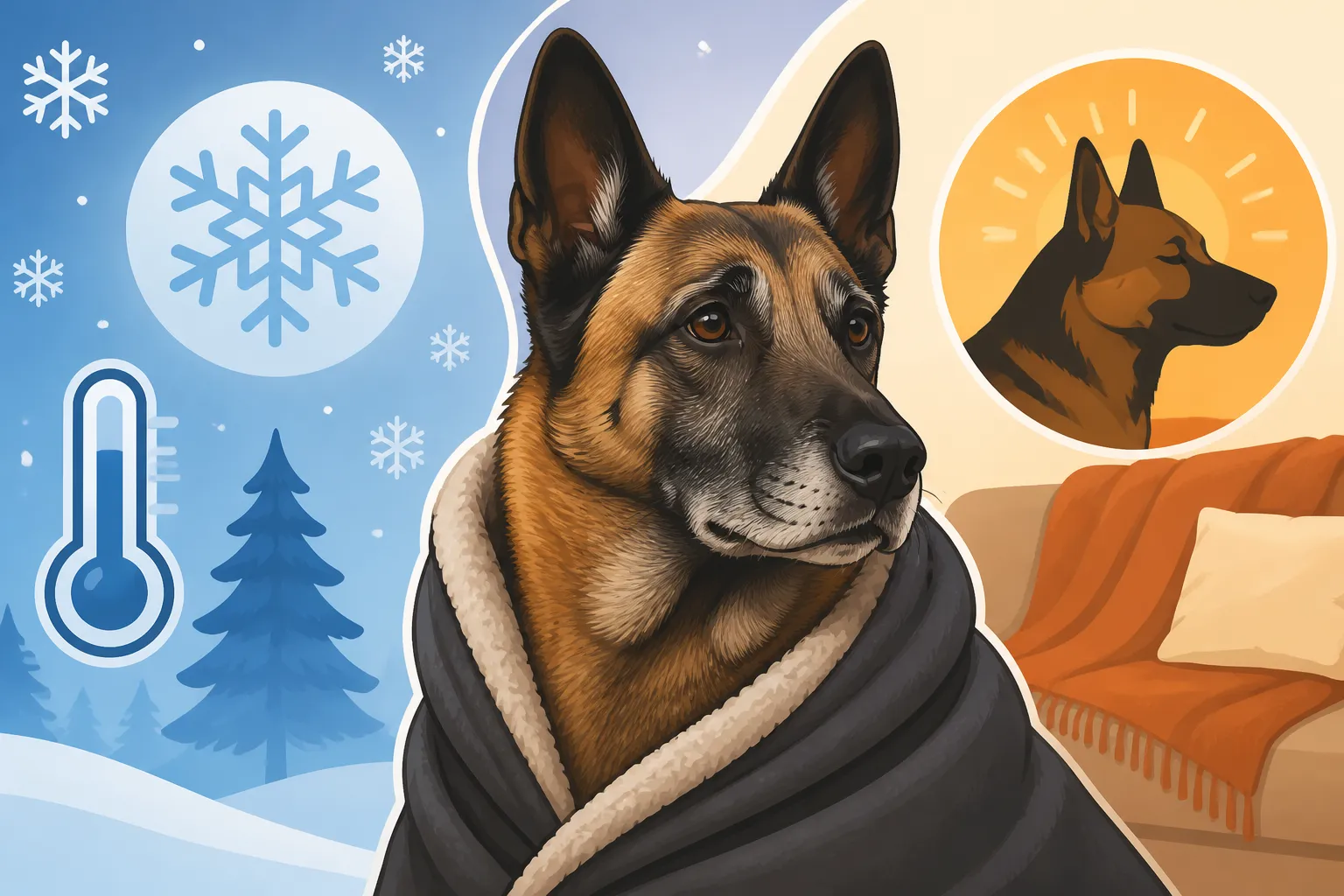
One of the many worries we carry as our incredible Belgian Malinois starts to grey around the muzzle is how their needs might change, especially when the temperatures drop. It’s natural to wonder if that once indestructible, always-on-the-go powerhouse is now feeling the bite of winter more acutely. The truth is, while a Malinois is generally a robust breed, the golden years bring a shift in how they regulate their body temperature and their overall resilience to cold weather, making this a very valid concern for thoughtful owners. This guide will explore why older Malinois might become more susceptible to cold and what proactive steps you can take to keep them comfortable, warm, and happy.
The Shifting Thermostat: Why Senior Malinois Get Chilly
It’s easy to think of a Malinois as perpetually energetic and impervious to the elements, but just like us, their bodies change with age. That internal thermostat that kept them bounding through snow without a second thought starts to recalibrate, often making them more sensitive to cold. It’s not just a feeling; there are real physiological reasons behind it.
Age-Related Physiological Changes
As our Malinois enters their senior years, typically around When a Malinois Is Considered Old, their metabolism often slows down. This is a fundamental shift because metabolism is essentially the body's internal furnace. A slower furnace means less internal heat generation. Combine this with a potential decrease in muscle mass – even in highly active seniors, some muscle wasting can occur – and you have less insulating tissue. Fat, too, plays a role in insulation, but Malinois are naturally lean dogs, and maintaining that lean condition in old age can sometimes mean they have less natural fat reserves to begin with. Think of it like an old house; the insulation might not be as effective, and the heating system isn't quite as powerful as it used to be. Their circulation might also become less efficient, meaning blood doesn't carry warmth to their extremities quite as readily. This is why you might notice an older Malinois shivering more easily or seeking out warm spots. For context on their lifespan, it's worth considering The Fourteen to Sixteen Years a Belgian Malinois Lives.
Impact of Underlying Health Conditions
The cold isn't just uncomfortable; it can exacerbate existing health issues in an older Malinois. Conditions like arthritis, a common ailment as dogs age, can make cold weather particularly painful. Imagine your joints aching more intensely when the air is crisp and damp. Dogs with Arthritis in a Belgian Malinois at Nine will often move less, and less movement means less natural body heat generation. Other health concerns, such as hypothyroidism (where a dog's thyroid gland isn't producing enough hormones to regulate metabolism), can also make a senior Malinois more prone to feeling cold. A Malinois Whose Thyroid Has Given Out will often show signs of lethargy and a reduced ability to tolerate cold. Similarly, dogs with heart conditions might have poorer circulation, making it harder for them to stay warm. It's crucial to be aware of any health conditions your senior Malinois might be battling, as these can significantly impact their cold tolerance.
The Role of Coat and Body Condition
While Belgian Malinois have a double coat, it's a short one, and it's not designed for extreme cold in the same way a husky's or malamute's coat is. As dogs age, their coat quality can sometimes diminish. You might notice it's not as thick or dense as it once was, especially the insulating undercoat. This change in coat density reduces its effectiveness as a natural insulator. Furthermore, maintaining a healthy, insulating coat requires good nutrition. If your older Malinois isn't eating as well or is having trouble absorbing nutrients, their coat can suffer. We aim to keep our Malinois lean and athletic their whole lives, but an extremely emaciated senior dog will have virtually no body fat to help insulate them, making them very vulnerable to the cold. Conversely, while excess weight isn't good, a Malinois that's carrying a bit too much fat can have its own issues, but a healthy weight range is critical for temperature regulation. When considering Feeding a Retired Belgian Malinois, ensuring they get adequate calories and nutrients is key to supporting their coat and overall body condition.
Reading the Cues: Is Your Malinois Feeling the Nip?
Our Malinois are masters of stoicism, often hiding discomfort until it's quite advanced. As they age, it becomes even more important for us to become detectives, keenly observing their behavior and physical state for any subtle signs that they might be struggling with the cold. Ignoring these cues can lead to serious health issues, so early detection is key.
Behavioral Indicators of Cold Stress
The first signs that your older Malinois is feeling cold often manifest in their behavior. You might see them shivering, which is a very clear and obvious sign, but sometimes it’s more subtle. They might become restless, constantly shifting their position, trying to find a warmer spot. Perhaps they start pacing more indoors, or you find them curled up in a tighter ball than usual, tucking their paws and tail close to their body to conserve heat. Another common sign is seeking out heat sources: gravitating towards the fireplace, snuggling extra close to you on the couch, or even trying to burrow under blankets or into tight spaces. If your once-eager outdoor companion now hesitates at the door for their usual walk or seems to cut their potty breaks short, that could also be an indicator. They might also become less active overall, which, while natural for an older dog, can be exacerbated by cold discomfort. Keeping An Old Malinois That Paces the House at Night might be due to a combination of discomfort and cognitive decline, but cold could certainly be a factor.
Physical Signs to Watch For
Beyond behavior, there are several physical indicators that your senior Malinois is getting too cold. You can often feel it: cold ears, paws, and tail are tell-tale signs. Their nose might also feel unusually cold. Check their gums; if they look pale or bluish, this is a serious sign of hypothermia and requires immediate veterinary attention. Their breathing might become shallow, and their movements could appear stiff or clumsy. While some stiffness is normal with age and conditions like Arthritis in a Belgian Malinois at Nine, exaggerated stiffness after being in the cold is concerning. Pay close attention to their posture; a hunched back or a tucked tail, combined with shivering, speaks volumes. In severe cases, they might seem disoriented or lethargic, struggling to respond to their name or familiar cues. This can quickly escalate to a dangerous situation, so being vigilant and checking these physical signs routinely is vital, especially after outdoor exposure.
Understanding Environmental Factors
It's not just the temperature itself that impacts how cold your Malinois feels. Other environmental factors play a huge role. Wind chill, for example, can make a moderately cold day feel significantly colder. A brisk breeze can cut through their short coat, stripping away precious body heat. Humidity, especially cold damp air, can also make a difference; moisture makes them feel colder faster. If your Malinois has been wet from rain or snow, their ability to regulate temperature is severely compromised. Even surfaces matter – lying on cold concrete or frozen ground will draw heat away from their body much faster than lying on a warm bed. Consider the duration of exposure; a quick dash outside is different from spending an hour in a chilly yard. Factors like these contribute to the overall perceived cold, and for an older Malinois whose system is already less efficient, they can quickly turn a mild discomfort into a dangerous situation. Think about Cold Tolerance in a Short Coated Belgian Malinois – it definitely decreases with age.
| Sign of Cold Stress | Description | Urgency Level |
|---|---|---|
| Shivering | Visible trembling, especially in legs, chest, or whole body. | Moderate |
| Hunching / Tucked Tail | Posture indicating discomfort, trying to make themselves smaller. | Moderate |
| Seeking Warmth | Burrowing, cuddling, lying by heat vents/fireplace. | Low-Moderate |
| Cold Ears, Paws, Tail | Easily felt when touching these extremities. | Moderate |
| Lethargy / Disorientation | Slowed movements, unresponsive, confused. | High |
| Pale/Bluish Gums | Indicates poor circulation and potential hypothermia. | EMERGENCY |
| Reluctance to Go Outside | Hesitation or refusal to leave a warm indoor area. | Low-Moderate |
| Stiffness After Cold Exposure | Increased difficulty moving after being in a cool environment. | Moderate |
Warming Up Their Golden Years: Practical Solutions
Once you've identified that your senior Malinois is feeling the cold, it's time to take action. There are many practical and comforting steps you can implement to ensure their golden years are spent in warmth and comfort, protecting them from the harsher elements.
Creating a Cozy Indoor Environment
The easiest place to control the temperature is indoors. For your older Malinois, a truly cozy indoor environment is essential. Consider adding extra bedding in their favorite sleeping spots. Orthopedic beds are not just for joint support; they also provide a crucial barrier against cold floors. You can find excellent options on sites like Chewy or Amazon, including those with self-warming materials or even electric heating pads designed specifically for pets (always use with caution and follow manufacturer instructions). Make sure their primary sleeping area isn't in a drafty spot near a door or window. During colder months, you might need to adjust your home thermostat slightly higher than you would for a younger, more active dog. If your Malinois has a designated kennel area indoors, ensure it's well-insulated and has plenty of soft, warm blankets. Giving them options to snuggle into is key; a plush blanket in their crate, a soft bed in a sunny spot, or even a dog bed elevated off the cold floor can make a world of difference. For senior dogs, making sure they can easily get into and out of their Beds an Arthritic Malinois Can Get Out Of is also important.
Choosing Appropriate Outdoor Gear
When it's time to head outside, especially during colder weather, your senior Malinois might benefit significantly from some extra layers. A well-fitting dog coat or sweater can provide the insulation their natural coat might be lacking. Look for options that cover their back, chest, and ideally, their belly, as these are areas where they lose a lot of heat. Materials like fleece or insulated, waterproof fabrics are excellent choices. You can explore a vast array of dog coats and sweaters on Amazon or Chewy, making sure to measure your Malinois carefully for the best fit. For very cold or icy conditions, consider paw protection like booties. While many Malinois might initially object, conditioning them to wear boots can protect their sensitive paw pads from cold, ice, and salt, which can be particularly irritating for older dogs. Always make sure any outdoor gear is comfortable, allows for full range of motion, and is easy to put on and take off, especially if your Malinois has Arthritis in a Belgian Malinois at Nine.
Nutritional Support for Warmth
Nutrition plays an indirect but important role in keeping your senior Malinois warm. A well-nourished body is better equipped to regulate its own temperature. Ensure they are on a high-quality senior dog food, appropriate for their activity level and any existing health conditions. Sometimes, older dogs might lose their appetite, and it becomes even more critical to ensure they are getting enough calories. Fresh food options, like those offered by Ollie, can sometimes be more palatable for picky seniors and provide easily digestible nutrients. Discuss with your vet if a caloric increase is appropriate, or if certain supplements could help. Omega-3 fatty acids, for instance, can support overall coat health and skin barrier function, which contributes to insulation. Joint supplements, commonly found on Chewy or Amazon, can ease the discomfort of arthritis, encouraging more movement and thus more natural heat generation. Hydration is also key; ensuring they have constant access to fresh water is vital, even in cold weather, as dehydration can impair their ability to regulate body temperature. Keeping Holding Condition on a Retired Malinois is crucial for their overall well-being and cold tolerance.
When the Cold Bites Deeper: Seeking Veterinary Guidance
Sometimes, despite all your best efforts, the cold can still be a significant challenge for an older Malinois, or you might suspect something more serious is at play. This is when your veterinarian becomes your most important partner. Don't hesitate to reach out to them.
Recognizing When to Call the Vet
It's one thing for your Malinois to shiver occasionally and seek out a warm spot, and another for them to show persistent, alarming signs of cold stress. If you notice severe or continuous shivering, lethargy, disorienting behavior, pale or bluish gums, or a body temperature that feels unusually low, it’s time to call your vet immediately. These can be signs of hypothermia, which is a medical emergency. Also, if your senior Malinois with existing conditions like The Seizure Disorder Running in Malinois Lines or a heart murmur seems to worsen in cold weather, this warrants a vet visit. Your vet can assess their overall health, including their thyroid function with The Bloodwork a Working Malinois Should Have Annually, check for underlying conditions, and help you determine if current medications need adjustment or if new treatments are necessary to improve their cold tolerance and overall comfort. Never underestimate the impact of cold on an already compromised system.
Discussing Medication and Management
Your veterinarian can offer specific advice tailored to your Malinois's individual health profile. For example, if arthritis is making the cold particularly painful, they might prescribe anti-inflammatory medications or recommend specific Joint Supplements for a Working Belgian Malinois to improve mobility and reduce discomfort. These aren't just about pain relief; by helping your dog move more comfortably, they can also generate more body heat. If a thyroid issue is diagnosed, medication can help regulate their metabolism, making them naturally warmer. They might also discuss dietary changes or specialized therapeutic foods. For dogs with severe circulation issues, sometimes specific medications can help. Your vet might also provide guidance on safe ways to use heating pads or external warming devices, or even suggest specific physical therapy exercises that can improve circulation and muscle tone, which indirectly helps with warmth. The goal is to develop a comprehensive management plan that addresses both their aging needs and any increased sensitivity to cold, ensuring their continued quality of life as they ease into shorter working sessions.
Disclaimer
This article is for general informational purposes only and does not constitute professional advice. Laws, prices and regulations vary by location and change over time. Consult a qualified professional for guidance on your specific situation.