Whether IGP Suits a Belgian Malinois
It’s a question many dedicated dog owners, especially those with high-drive breeds, ponder: can my dog truly excel in IGP, or is it a pipe dream? If you own a Belgian Malinois, you're likely acutely aware of their intense energy, sharp minds, and undeniable work ethic. You see the potential, but you also understand the immense commitment involved in any serious dog sport. This guide is here to break down whether the challenging world of IGP (formerly IPO or Schutzhund) is genuinely a good fit for the unique temperament and abilities of a Belgian Malinois, exploring what the sport demands and how this breed typically measures up.
The Demands of IGP: A Sport Designed for Working Dogs
IGP is not just a casual obedience class; it's a rigorous, internationally recognized dog sport that tests a dog's natural abilities, intelligence, trainability, and courage, all under the guidance of a skilled handler. It's a sport steeped in tradition, originally developed as a breed suitability test for German Shepherds, but now embraced by many working breeds, including, famously, the Belgian Malinois. Understanding its multi-faceted requirements is the first step in determining if your Malinois is up to the task.
Breaking Down the Three Phases: Tracking, Obedience, and Protection
IGP is comprised of three distinct phases, each designed to evaluate a different aspect of a dog's working capabilities. A dog must pass all three to earn an IGP title, starting with IGP1, then progressing to IGP2, and finally IGP3, with increasing difficulty at each level. This comprehensive evaluation ensures a truly well-rounded working dog.
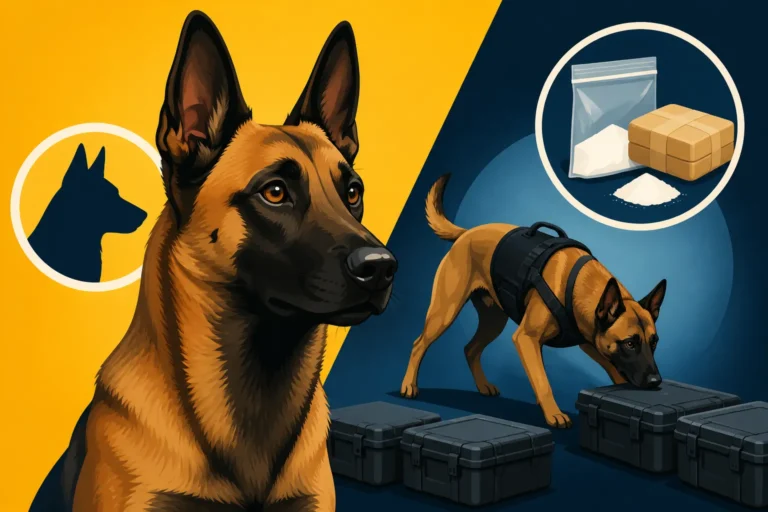
The first phase is Tracking (A). Here, the dog must follow a human track laid some time prior, often across varied terrain. They're judged on their willingness to track, the accuracy of their nose work, and their overall calm and methodical approach. This isn't just sniffing around; it requires intense focus, discrimination, and perseverance, often ignoring distractions like wildlife or other human scents. For a Malinois, whose senses are incredibly keen, channeling this into such a precise task requires significant training and focus.
Next comes Obedience (B). This phase is far beyond basic "sit" and "stay." It includes off-leash heeling, various retrieves (flat, over a hurdle, over a slanted wall), drop on recall, long downs with distractions, and send-aways. Precision, speed, enthusiasm, and handler focus are paramount. Every movement, every command, every transition is meticulously judged. This is where a Malinois's incredible athleticism and eagerness to please can truly shine, but it also exposes any holes in foundational training or handler-dog communication. Obedience a Malinois Needs Before Protection Work is a fantastic resource if you're looking to build this kind of solid foundation.
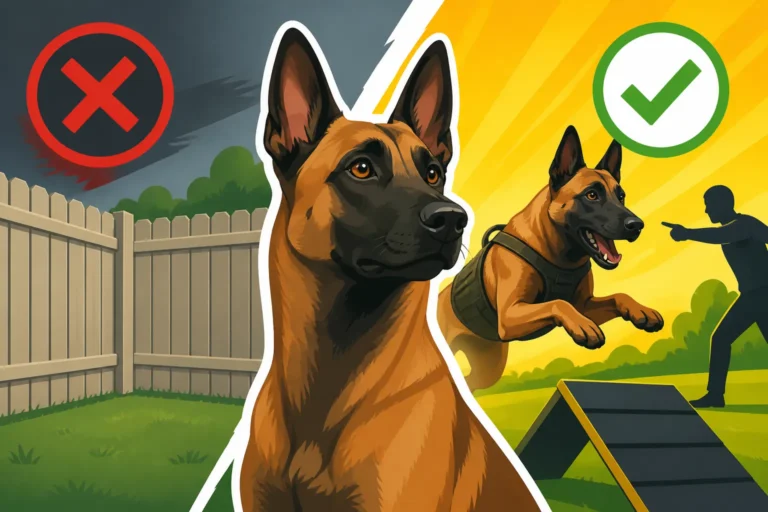
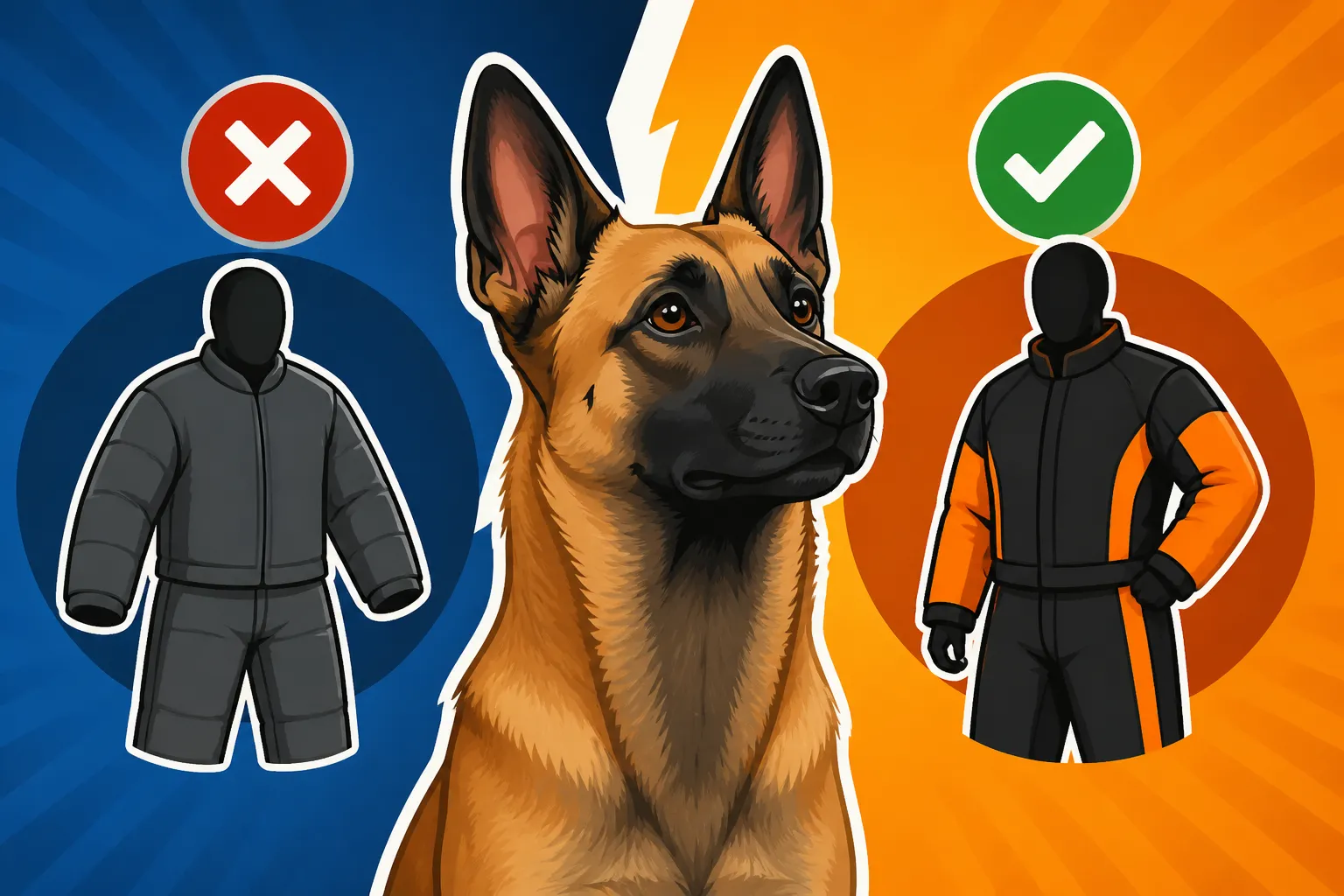
Finally, there's Protection (C), which is often the most visually dramatic phase and the one that draws the most attention. In this phase, the dog must demonstrate courage, fighting drive, and control by engaging with a "decoy" (a person wearing protective equipment) on command, holding them, guarding them, and then releasing on command. This is not about aggression, but about controlled, sport-specific bite work that showcases nerve, confidence, and the dog's ability to be a true partner to its handler, shifting from intense drive to absolute calm when directed. What Bite Sport Actually Asks of a Belgian Malinois delves deeper into what this phase truly entails.
The Core Qualities IGP Seeks in a Dog
Beyond the technical skills, IGP is looking for specific inherent qualities in a dog. These aren't things you can simply "train in" but rather traits that are cultivated and shaped through careful development. Without these foundational qualities, a dog will struggle to succeed, no matter how dedicated the handler.
First and foremost is temperament and nerve. An IGP dog must be confident, stable, and resilient, able to perform under pressure in various environments, from quiet tracking fields to bustling trial grounds with spectators. They shouldn't be easily startled, overly shy, or aggressive in an uncontrolled manner. Their drive should be harnessed, not overwhelming. Then there's drive – specifically, prey drive, fight drive, and sometimes even a degree of food drive, which are all channeled into productive training and performance. A dog with low drive will simply not have the motivation or intensity required for the sport.
Trainability and intelligence are also critical. An IGP dog needs to learn complex sequences, differentiate between subtle cues, and problem-solve on the fly. They must be eager to work with their handler and possess the mental fortitude to endure repetitive, precise training. Lastly, physical soundness is non-negotiable. The sport is physically demanding, especially the protection phase with its rapid movements and powerful engagements. A dog must be structurally sound and free from debilitating health issues to withstand the rigors of IGP without injury.
The Belgian Malinois: A Breed Born for Intense Work
It’s no secret that the Belgian Malinois has become synonymous with high-level working dog roles, from military and police service to elite protection sports. Their inherent characteristics often align remarkably well with the demands of IGP, making them a natural, albeit challenging, choice for this discipline.
Drive, Intellect, and Athleticism: Malinois' Natural Aptitudes
When you look at a Malinois, you're looking at an athlete. They are built for speed, agility, and endurance, possessing an almost boundless energy supply. This physical prowess is a huge asset in IGP, particularly in the obedience phase's fast heeling and retrieves, and the dynamic movements of protection work. They move with an explosive power and grace that can be breathtaking to witness.
Beyond their physical gifts, Malinois are renowned for their sharp intellect and intense desire to work. They are incredibly observant and quick learners, often picking up new commands and complex sequences with remarkable speed. This intelligence, coupled with their inherent biddability (their willingness to be trained and work with a handler), makes them highly responsive students. They genuinely seem to thrive on mental stimulation and having a "job" to do, which is precisely what IGP offers. They don't just go through the motions; they engage their minds fully, trying to anticipate and please their handler.
Harnessing Intense Instincts: Prey Drive and Focus
Perhaps one of the most defining characteristics of the Belgian Malinois is their exceptionally high prey drive. This isn't just a casual interest in squirrels; it's an intense, almost primal urge to chase, catch, and possess. In IGP, this drive is a cornerstone. It's carefully developed and channeled into the desire to work for a reward, whether that's a bite on a sleeve, a favorite tug toy, or even just verbal praise. Learning to properly manage and utilize this drive is crucial for success. Channeling a Belgian Malinois's Prey Drive Into a Tug is a cornerstone of this training.
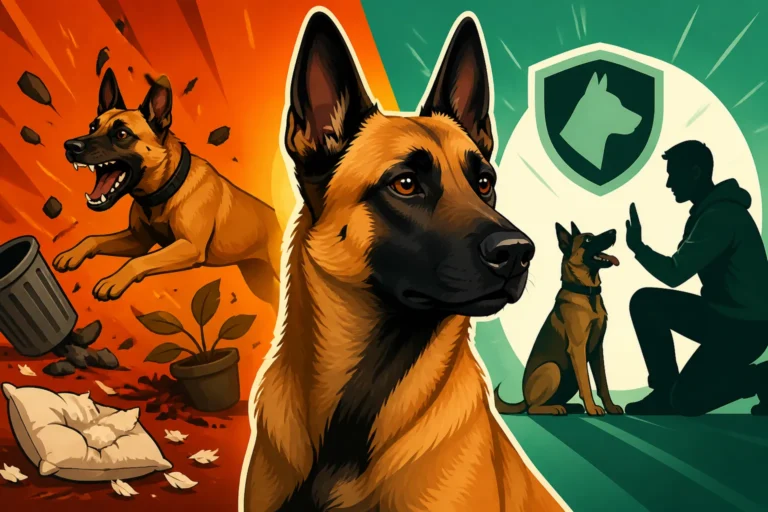
A well-bred Malinois also typically exhibits tremendous focus. Once engaged in a task, they can tune out distractions to an astonishing degree. This "tunnel vision" is invaluable in IGP, where precise execution is required amidst stimulating environments. Whether it's tracking a scent across a busy field or performing a precise obedience routine with other dogs nearby, the ability to concentrate is a game-changer. This focus, combined with their incredible stamina, means they can sustain high-intensity work for extended periods, pushing through fatigue and distractions that would derail other breeds. However, this also means that when they aren't given appropriate outlets, this intensity can manifest as destructive behavior or anxiety, which is why The Mental Work That Finally Tires a Malinois Out is so important.
Navigating the IGP Training Journey with a Malinois
Embarking on the IGP journey with a Belgian Malinois is not for the faint of heart, but for those who commit, it can be an incredibly rewarding experience. It demands a significant investment of time, effort, and resources, but the bond forged and the skills developed are unparalleled.
Finding the Right Mentorship and Community
One of the most critical aspects of IGP training, especially with a Malinois, is finding the right club and mentors. IGP is a team sport between dog and handler, but it also requires a strong human support system. You need experienced decoys for the protection phase, knowledgeable trainers for obedience and tracking, and a community that understands the nuances of working a high-drive breed. Simply trying to read a book or watch videos won't cut it.
A good IGP club will have members who have titled dogs, understand the rules inside and out, and can guide you through the process step-by-step. They'll also provide a safe, structured environment for your dog to learn and socialize with other working dogs. Asking around, visiting different clubs, and observing training sessions before committing is vital. Finding a Club That Will Take a Belgian Malinois is a key consideration, as not all clubs are equipped for the intensity of a Malinois. Moreover, you need a trainer who genuinely understands The Handler Experience a Belgian Malinois Needs – someone who can guide you to be the strong, clear leader your Malinois requires.
The Commitment to Consistent, High-Level Training
IGP is not a sport where you can show up once a week and expect to succeed. It requires daily dedication. Tracking sessions need to be laid regularly, obedience drills practiced multiple times a day, and protection work, while less frequent, needs to be of very high quality. This isn't just about repetition; it's about building muscle memory, reinforcing commands, and continuously refining the dog's understanding and enthusiasm.
Think about it: an IGP dog isn't just performing a trick; they are integrating complex behaviors into a seamless routine, often under extreme pressure. This means breaking down each exercise into tiny steps, building drive, and carefully shaping behavior. It also means you, the handler, need to be just as committed to learning the sport's intricacies. You'll spend hours reading rules, studying videos, and practicing your handling skills. This commitment often extends beyond the training field, into your home life, where consistency and clear boundaries are paramount for managing a high-drive Malinois. You might find yourself investing in specialized training gear from retailers like Amazon, from tracking lines and harnesses to various bite wedges and tugs, to aid in this precise training.
Common Challenges and Triumphs for Malinois Handlers
While Malinois possess many ideal traits for IGP, they also present unique challenges. Their high drive, while an asset, can sometimes be overwhelming. They can be prone to "over-arousal," where their excitement overrides their ability to think or follow commands. Learning to read your dog's threshold and bring them back down to a workable level is a skill that takes time and patience. Their intensity also means corrections, when necessary, must be perfectly timed and fair, otherwise, you risk shutting down a sensitive dog or exacerbating a problem. Conditioning a Belgian Malinois to an E-Collar can be a valuable tool for precise communication, but it demands expert handling.
Another common challenge is their natural guarding instincts. While desirable in the protection phase, these can manifest as reactivity towards other dogs or strangers if not carefully managed through early, extensive, and positive socialization. It’s a delicate balance to nurture their protective instincts without allowing them to become uncontrolled or inappropriately aggressive. However, when a Malinois and handler truly click, the triumphs are immense. Watching a Malinois execute a perfect obedience routine with blistering speed and precision, or seeing them drive confidently into a protection scenario, is incredibly rewarding. The mutual respect and understanding that develops between you and your Malinois through IGP training is profound, showcasing the true partnership working dogs and their handlers can achieve.
IGP: A Match Made in Heaven or a Road to Frustration?
So, after all this, is IGP truly suitable for a Belgian Malinois? The short answer for most well-bred, well-socialized, and properly trained Malinois is a resounding "yes." They are, in many ways, purpose-built for such a demanding sport. However, the more nuanced answer depends entirely on the individual dog and, perhaps even more so, on the handler.
Weighing the Benefits for Your Malinois
For a Belgian Malinois, a breed that thrives on having a job, IGP provides an unparalleled outlet for their physical and mental energy. It taps into their natural prey drive, their intelligence, their athleticism, and their desire to work. This isn't just about exhausting them physically; it's about engaging their brilliant minds in complex problem-solving and partnership. Without such an outlet, many Malinois become destructive, anxious, or difficult to live with. Why So Many Belgian Malinois Are Rehomed often comes down to owners underestimating their drive and failing to provide a suitable "job."
The sport fosters incredible focus and discipline, channeling their intense energy into productive tasks. It also builds immense confidence in a dog, as they learn to navigate challenging situations and rely on their handler. Furthermore, the systematic training of IGP helps create a well-mannered and responsive dog in everyday life, as the foundational obedience and control translate directly to other scenarios. The structured environment and clear expectations often bring out the best in this breed, helping them to be balanced and fulfilled companions.
Understanding the Time and Resource Investment
Let's be realistic: IGP is a significant undertaking. This is not a casual hobby. It requires:
- Time: Multiple training sessions per week, often traveling to clubs, plus daily home practice. This could easily be 10-20 hours a week, possibly more.
- Financial Investment: Club dues, decoy fees, training equipment (collars, leashes, tugs, sleeves), entry fees for trials, potential travel and lodging for events, and veterinary care to keep a high-performing athlete sound. While I can't give specific figures, expect these costs to add up over time.
- Mental Fortitude: You will experience frustrations, setbacks, and moments of doubt. You need resilience and a strong desire to learn and improve, both for yourself and your dog.
- A Solid Support System: Not just from your club, but from your family. Everyone in the household needs to be on board with the training philosophy and the time commitment.
Here's a quick comparison of Malinois traits vs. IGP demands:
| Malinois Trait | IGP Demand | Alignment |
|---|---|---|
| High Prey Drive | Essential for motivation in protection & obedience phases | Excellent, if channeled |
| Intense Focus | Crucial for precise execution in all three phases, especially tracking | Excellent, if developed correctly |
| Exceptional Athleticism | Required for speed, agility, and power in obedience & protection | Excellent, bred for this |
| High Intelligence | Ability to learn complex commands & problem-solve in dynamic situations | Excellent, quick learners |
| High Energy/Stamina | Sustained performance throughout long training sessions & trials | Excellent, but needs management to prevent over-arousal |
| Strong Will/Nerve | Confidence under pressure, resilience to distractions & challenges | Very Good, but needs proper development to ensure stability |
| Biddability/Desire to Please | Willingness to work closely with handler | Excellent, if handler provides clear leadership & motivation |
If you're looking to build a strong foundational relationship and understanding with your Malinois before diving into specialized sports, online resources like BAXTER & Bella can offer excellent basic obedience and puppy training programs that set a solid groundwork for more advanced work like IGP.
Is Your Malinois Truly Suited for This Path?
While the breed generally excels, not every individual Malinois is ideally suited for IGP. Just like people, dogs have different personalities and aptitudes. A Malinois with soft nerves, a lack of drive, or significant structural issues would struggle and potentially find the sport stressful rather than fulfilling. This is why selecting a puppy from proven working lines with health clearances is so important if IGP is your goal.
Ultimately, whether IGP suits your Belgian Malinois depends on a combination of factors: your dog's inherent drives and temperament, your commitment as a handler to dedicated and consistent training, and your ability to find skilled mentorship. For the right team, IGP is more than just a sport; it's a deeply bonding and incredibly enriching experience that allows a magnificent working breed like the Malinois to truly thrive. If you're ready for the journey, a Malinois can certainly be a fantastic partner in the exciting world of IGP. The Age a Belgian Malinois Starts Protection Work and Whether Bite Work Makes a Belgian Malinois Dangerous are important considerations to research as you make your decision.
Disclaimer
This article is for general informational purposes only and does not constitute professional advice. Laws, prices and regulations vary by location and change over time. Consult a qualified professional for guidance on your specific situation.