Whether a Malinois That Bites Needs Yearly Dentals
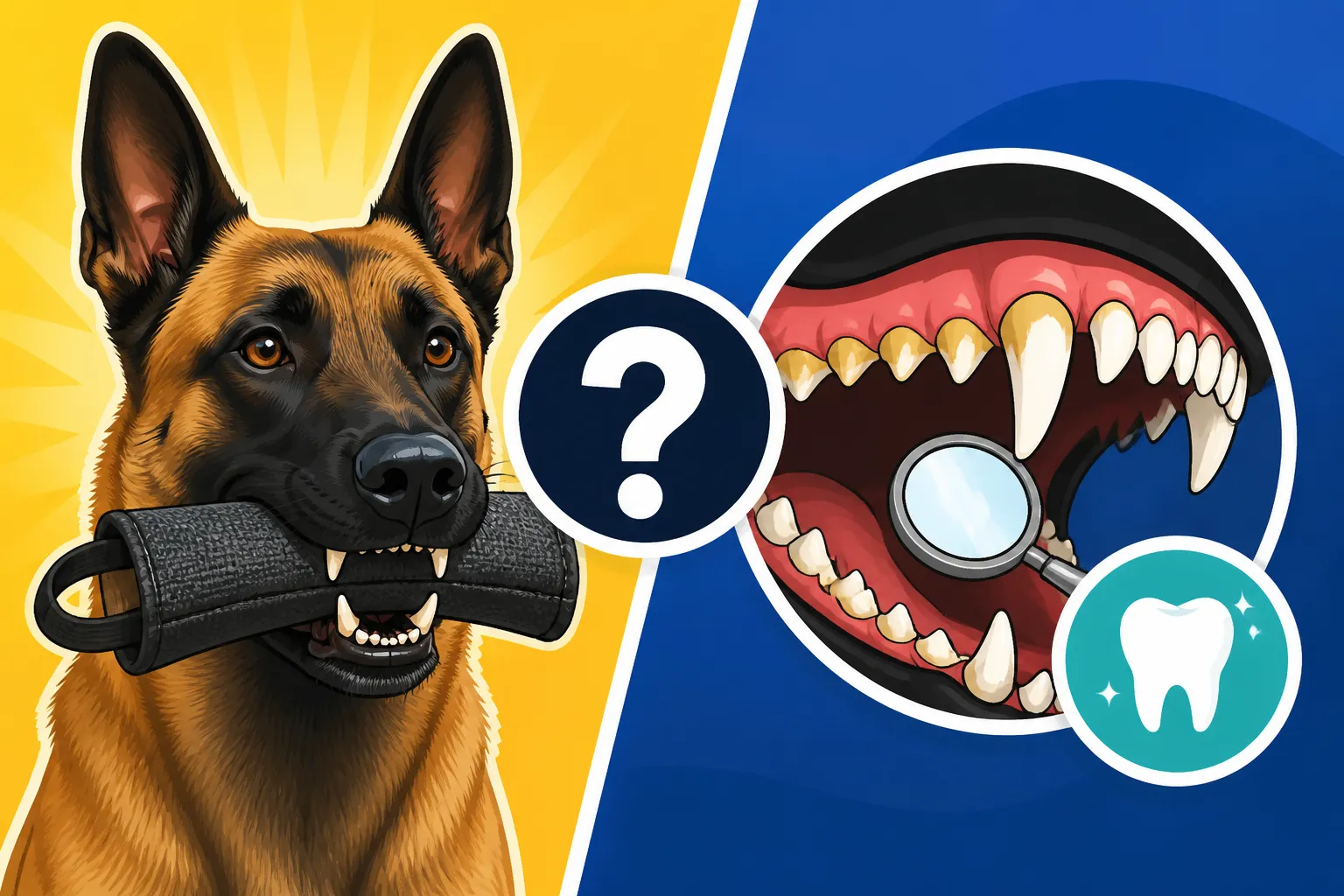
It's a common misconception, especially among those of us who own or work with Belgian Malinois in protection sports, that their teeth are somehow indestructible. After all, these dogs are bred for extreme drive and incredible bite power; surely their jaws are made of steel, right? But the reality is far more nuanced, and neglecting their oral health, even when they're regularly sinking those powerful canines into sleeves and suits, can lead to painful, expensive, and ultimately debilitating problems. This guide is here to unravel why a Malinois heavily involved in biting sports absolutely needs consistent, professional dental care, regardless of how tough you think their teeth are.
The Unique Dental Challenges of a Bite Sport Malinois
When we talk about a Malinois in bite sports, we're not just discussing a dog that chews on a toy occasionally. We're talking about an animal that applies immense pressure, with incredible speed and full-body force, often multiple times a week. This isn't gentle play; it's a rigorous athletic activity that puts specific, often hidden, stresses on their teeth and gums.
More Than Just Strong Teeth: The Reality of Impact and Wear
Many of us look at our Malinois's formidable dentition and assume that because they're biting so hard, they're somehow strengthening their teeth. It’s easy to think, "My dog's teeth are constantly working; they must be super strong!" But strength doesn't equate to invulnerability against constant, high-impact force. Imagine hitting a steel beam with a hammer repeatedly – the beam is strong, but given enough impacts, microscopic fatigue will set in, and eventually, it could crack. Your Malinois's teeth face a similar reality.
Every time your Malinois drives into a jute sleeve or a hidden arm, there's a concussive force traveling through their teeth and into their jaw. This kind of impact is vastly different from chewing a bully stick or gnawing on a bone. While those activities cause abrasive wear, bite work involves sudden, powerful jolts. These jolts can create tiny, hairline fractures in the enamel that are invisible to the naked eye. Over time, these micro-fractures can deepen, compromise the tooth's integrity, and eventually lead to larger chips or even full breaks. It’s a cumulative effect, slowly weakening the tooth from the inside out, making them susceptible to problems you might not notice until it’s too late. The sheer intensity and focused nature of the bite, often on surfaces that resist but also give suddenly, are what differentiate this wear from typical doggy chewing. It’s a dynamic, high-stress interaction that requires vigilant monitoring.
The Risk of Chipped Canines and Incisors
One of the most immediate and visible concerns for a Malinois in bite sports is the risk of chipped or broken teeth. The canines, those long, sharp fangs, and the incisors, the smaller front teeth, are the primary contact points. These teeth are crucial for gripping, holding, and tearing. When a Malinois engages with a decoy's equipment, whether it's a full bite suit or a simple tug, the potential for an awkward angle or an unexpected shift in the material is always there. A slight miscalculation, a slip, or even a sudden movement by the decoy can cause a tooth to hit a harder part of the equipment or even the decoy's underlying limb, leading to a fracture.
I've seen it happen. One moment a dog is working beautifully, the next they shake their head, and you see that tell-tale jagged edge. A chipped tooth, especially if it exposes the sensitive dentin or the pulp chamber, is not just a cosmetic issue; it's incredibly painful and leaves the tooth vulnerable to bacterial infection. This infection can track down to the root, forming an abscess, and spread to other parts of the body. Even if your Malinois is so driven that they try to work through the pain, it's a detriment to their well-being and their performance. Prompt attention is critical, and understanding Broken Teeth on a Malinois From Bite Work is vital for any owner. This type of injury can put your dog on the sidelines, requiring extensive veterinary intervention and rehabilitation, all because of an unexpected impact during what seems like routine training.
Why Annual Dental Assessments Are Non-Negotiable
You might be thinking, "But I check my Malinois's teeth all the time!" And that's fantastic! Regular home checks are important. However, what you can see with your own eyes is only a fraction of the story. The real threats often lurk beneath the gum line or are microscopic in nature, requiring professional veterinary intervention to uncover.
Beyond What You Can See: The Need for Professional Examination
Let's be brutally honest: your Malinois isn't going to lie politely with their mouth wide open while you poke and prod every tooth and gum pocket. These are high-drive, protective dogs, and even the most compliant Mal will draw the line at a thorough intraoral examination, especially if there's any discomfort involved. This is precisely why a professional veterinary dental exam, performed under general anesthesia, is absolutely critical.
Under anesthesia, your veterinarian can perform a comprehensive assessment that's simply impossible otherwise. This involves carefully probing the gum line to check for periodontal pockets, which indicate gum disease and bone loss. They'll examine each tooth for subtle fractures, wear, and mobility. Critically, dental X-rays will be taken. These radiographs are the absolute gold standard for detecting problems that are completely hidden, like abscesses at the tooth roots, bone loss around the roots, or even un-erupted teeth that can cause pain. Without X-rays, you're flying blind; you'd never know about a deep infection brewing until your dog is in agony, potentially showing facial swelling or reluctance to eat. For a Malinois, who tends to be lean and sometimes reacts poorly to certain medications, discussing Why Anesthesia Needs Discussing Before a Malinois Goes Under with your vet is a must. A detailed discussion about Anesthesia Protocols for a Lean Belgian Malinois is also incredibly important to ensure their safety and a smooth recovery during these essential procedures.
Early Detection Prevents Major Problems (and Expense)
The true value of annual dental assessments isn't just about finding problems; it's about finding them early. Catching a minor chip before it becomes a full fracture requiring extraction, or addressing early gingivitis before it progresses to severe periodontal disease and bone loss, saves your Malinois pain and saves your wallet a significant hit. Early intervention often means simpler, less invasive, and less costly treatments. A small fracture can sometimes be bonded, or a superficial cavity filled. Waiting until your dog is overtly painful, drooling, or refusing to work often means that the problem has become severe, requiring more complex procedures like root canals or extractions. If you're wondering Whether a Belgian Malinois Needs a Root Canal, the answer is, unfortunately, yes, if damage is severe enough, and it’s always better to prevent that scenario.
Think about it this way: a tiny crack might just need monitoring, or a simple repair that prolongs the life of the tooth. But if that crack goes unnoticed and deepens, it can lead to pulp exposure, infection, and eventually, the loss of the tooth. An extraction can cost a fair bit, and if it's a strategic tooth vital for gripping, it can even impact your Malinois's ability to perform in bite sports. Moreover, dental infections don't stay confined to the mouth. The bacteria can enter the bloodstream and spread to vital organs, leading to heart, kidney, or liver problems. Regular check-ups, which might involve The Bloodwork a Working Malinois Should Have Annually, can help ensure that any underlying health issues are addressed before your Malinois undergoes a dental procedure, protecting their long-term health and maintaining their working edge.
The Components of a Comprehensive Dental Care Plan for Your Malinois
So, what does a truly comprehensive dental care plan look like for a Malinois that bites? It’s a multi-faceted approach that combines professional veterinary care with diligent at-home maintenance. This isn't a "set it and forget it" situation; it requires commitment, just like all other aspects of owning and training such an incredible dog.
Professional Cleanings and Oral Surgery
The cornerstone of any good dental care plan is professional cleanings performed by your veterinarian. These are typically done annually, or more frequently if your vet identifies specific concerns or if your Malinois has a history of rapid plaque buildup. During this procedure, under general anesthesia, your vet will thoroughly scale all teeth, removing plaque and tartar both above and, crucially, below the gum line. This is followed by polishing to smooth the tooth surfaces, making it harder for new plaque to adhere. As discussed, full-mouth dental X-rays are an integral part of this process, identifying hidden pathology. You will want to have a frank conversation with your vet about What to Tell a Vet Before a Malinois Is Sedated to ensure they have all the information needed for a safe procedure.
Should your vet discover issues like broken teeth, severe periodontal disease, or abscesses, oral surgery might be necessary. This could involve anything from bonding minor chips to more extensive procedures like root canal therapy to save a strategically important canine, or, if a tooth is too far gone, extraction. The cost of these procedures can vary widely; for instance, understanding What a Crown on a Malinois Canine Costs or The Cost of Repairing a Malinois's Broken Canine can help you budget. Sometimes, What Extracting a Malinois's Tooth Costs might seem high, but a pain-free, healthy mouth is invaluable. If your Malinois has had significant damage, you might even consider options like Whether Titanium Crowns Are Worth It on a Malinois to protect compromised teeth, although this is a specialized and often costly procedure. The key is to address problems promptly and effectively. When budgeting for your Malinois’s care, it's wise to consider What Scaling a Malinois's Teeth Costs Under Sedation as a regular part of their annual health expenditure.
At-Home Dental Maintenance Between Vet Visits
While professional cleanings are the heavy artillery in the fight against dental disease, daily home care is your frontline defense. Think of it like this: you visit the dentist for a deep clean, but you still brush and floss every day. The same goes for your Malinois. Brushing your Malinois's teeth daily, or at least several times a week, is the single most effective thing you can do at home to prevent plaque and tartar buildup. It might sound daunting with a high-drive dog, but with patience, positive reinforcement, and starting when they're young, it's absolutely achievable. Use a dog-specific toothbrush and enzymatic toothpaste (never human toothpaste!). Over time, you’ll find that Checking a Belgian Malinois's Canines After Training can become a part of your post-session routine, and a quick brush can follow.
Beyond brushing, you can incorporate dental chews or appropriate toys that help scrape away plaque. However, this is where you need to be cautious. Not all dental chews are created equal, and some can actually cause more harm than good. Avoid anything that is too hard, like antlers, bones, or even some overly rigid nylon chews, as these can easily fracture your Malinois's powerful teeth. Instead, look for vet-approved dental chews that are flexible enough to bend but firm enough to provide abrasive action. Products found on sites like Chewy or Amazon often have detailed descriptions and reviews, allowing you to research safe options. For more guidance, understanding Chews That Will Not Fracture a Malinois's Canines is crucial. Some owners even ask Whether Bones Crack a Malinois's Working Teeth – the answer is often yes, especially hard weight-bearing bones, so caution is advised. Additionally, products like water additives and oral rinses can help reduce bacteria in the mouth, but they are generally supplementary to brushing, not a replacement.
| Method | Primary Benefit | Considerations | Consistency Needed |
|---|---|---|---|
| Daily Brushing | Most effective plaque & tartar removal | Requires training, specific dog toothpaste & brush, potential resistance | Daily |
| Dental Chews | Mechanical abrasion, helps reduce buildup | Choose appropriate hardness (avoid fracturing teeth), caloric content | Daily/Few times a week |
| Water Additives | Reduces bacteria in water, freshens breath | Less effective than brushing, some dogs dislike taste, may not address existing buildup | Daily with water |
| Oral Rinses | Targets oral bacteria, helps with bad breath | Requires direct application, often more for symptom relief than prevention | As needed |
Nutrition and Its Role in Oral Health
While nutrition isn't a direct solution to dental trauma from bite work, it plays a vital supportive role in overall oral health. A well-balanced diet contributes to a strong immune system, which is crucial for fighting off potential infections that can arise from dental issues. Good nutrition supports healthy gums and strong bone structure, which are the foundations for healthy teeth. Some commercial kibbles are marketed as "dental diets" with specific textures or additives designed to help reduce plaque, but these should be seen as part of a larger strategy, not a standalone solution.
The idea that dry kibble "cleans" teeth is largely a myth; most kibble shatters upon impact and doesn't provide significant abrasive action against tooth surfaces, particularly at the gum line where periodontal disease begins. For a high-performance dog, their general diet is critical, and you might be thinking about Feeding a Malinois That Is Never Not in Drive. Brands like Ollie offer fresh, human-grade food options which, while not specifically dental-focused, provide excellent nutrition that can support overall vitality, including robust immune function and healthy tissue repair throughout the body, including the mouth. However, regardless of the diet you choose, it's important to remember that diet alone cannot prevent the wear, tear, chips, and gum disease that a bite sport Malinois is susceptible to; dedicated dental care remains paramount.
Recognizing the Signs of Dental Trouble in Your Working Dog
One of the biggest frustrations, and indeed dangers, with Malinois is their incredible stoicism. These dogs are hard-wired to work, and they will often push through pain or discomfort, making it difficult for us, their handlers and owners, to know something is wrong. This makes recognizing subtle signs even more critical. You need to become an expert observer of your dog's nuances.
Subtle Behavioral Cues to Watch For
A Malinois suffering from dental pain might not stop eating or refuse to engage in bite work immediately. Their drive is often so immense that they will try to power through. This is where subtle behavioral changes become your early warning system. Look for a slight hesitation when taking a bite, perhaps a moment where their grip feels a little less solid, or they might even drop the equipment more frequently than usual. They might start favoring one side of their mouth when chewing, or show a reluctance for tug games at home, even if they still go full throttle at the club.
Other, more general signs of discomfort could include a decrease in their usual exuberant energy outside of work sessions, increased irritability, or being more withdrawn than usual. They might rub their face more, paw at their mouth, or exhibit unusual head shaking. Any deviation from your Malinois's typical intense and focused demeanor, no matter how minor, should prompt a closer look at their mouth. Remember, these dogs are athletes, and even minor pain can affect their performance and overall quality of life, even if they are trying to hide it from you. When you are asking Whether a Malinois's Bite Should Be Checked Yearly, you are really asking if their foundation for work is sound.
Visible and Olfactory Indicators of Oral Disease
Beyond subtle behaviors, there are more overt physical signs that scream "dental trouble." The most common, and often easiest to spot (or smell!), is bad breath, or halitosis. "Dog breath" isn't normal; it's a strong indicator of bacterial overgrowth, plaque, tartar, and likely gum disease. If your Malinois’s breath makes your eyes water, it's time for a vet visit.
Visually inspect their gums and teeth. Healthy gums should be a salmon pink color (though some dogs have naturally pigmented gums) and should lie tightly around the teeth. Red, swollen, or bleeding gums are clear signs of gingivitis or more advanced periodontal disease. Look for tartar buildup, which appears as a yellow, brown, or even blackish crust, especially on the surfaces of the teeth furthest back. This is calcified plaque and harbors bacteria. You might notice Why a Malinois Builds Tartar Behind the Canines more so than on the front teeth, simply due to their shape and how they chew. Check for any missing teeth, or teeth that appear loose or discolored. A dark spot on a tooth can indicate a dead pulp or an old fracture. Swelling on the face, particularly under an eye, can be a tell-tale sign of a tooth root abscess, which is an emergency requiring immediate veterinary attention. And remember, Toys That Damage a Belgian Malinois's Teeth can lead to cracks and chips that aren't always immediately obvious, so regular, careful visual inspection is crucial between those essential professional dental exams.
Disclaimer
This article is for general informational purposes only and does not constitute professional advice. Laws, prices and regulations vary by location and change over time. Consult a qualified professional for guidance on your specific situation.