The Malinois Against the Dutch Shepherd
It's incredibly common for people to confuse the Belgian Malinois with the Dutch Shepherd. At a glance, especially if you're not deeply immersed in the world of working dogs, they can look remarkably similar: athletic builds, keen expressions, and those intelligent, forward-set ears. However, beneath those superficial resemblances lie distinct differences in their history, physical traits, temperament, and training needs that are absolutely crucial for any prospective owner to understand. This guide will walk you through these nuances, helping you appreciate what makes each of these magnificent breeds unique.
Origins and Breed History: Different Paths, Similar Purpose
When we talk about the Belgian Malinois and the Dutch Shepherd, we’re delving into a fascinating period of canine development in Europe. Both breeds emerged from a need for versatile working dogs that could assist farmers and shepherds, but their geographical separation and the specific demands of their regions led to subtle yet significant divergences.
The Belgian Roots of the Malinois
The Belgian Malinois is one of four distinct varieties of Belgian Shepherd dogs, all named after the Belgian towns or regions where they were initially developed. The Malinois specifically hails from the city of Malines (Mechelen in Dutch), and its story is deeply intertwined with the late 19th-century efforts of Belgian fanciers to categorize and standardize their native herding dogs. Initially, these dogs were working sheepdogs, valued for their intelligence, agility, and protective instincts. They weren't just herders; they were guardians of the flock and the farm, expected to be alert and capable of independent action.
Over time, particularly in the early 20th century, the Malinois began to gain recognition for its exceptional aptitude beyond herding. Its speed, drive, and intense focus made it an ideal candidate for emerging dog sports like Belgian Ring, and later, for police and military work. This shift in purpose, from general farm dog to highly specialized working companion, deeply influenced the breed's development. Breeders began selecting for the traits that made them excel in these demanding roles: unparalleled drive, courage, sharp intelligence, and physical resilience. This is why when you look at a Malinois today, you're seeing generations of careful selection for a dog that is literally bred to perform. The Belgian Town the Malinois Is Named After is a great read if you want to dive deeper into their naming.
The Dutch Shepherd's Humble Beginnings
Across the border in the Netherlands, the Dutch Shepherd was evolving along a parallel, yet distinct, path. Like the Malinois, the Dutch Shepherd originated as a general-purpose farm dog, primarily used for herding sheep but also performing duties such as guarding property, pulling carts, and even serving as a farmer's companion. The breed's development was less about creating distinct varieties based on coat type, and more about maintaining a versatile, hardy working dog that could adapt to the challenging landscapes and varied demands of Dutch agricultural life.
What makes the Dutch Shepherd unique among its European cousins is its allowance for multiple coat types—short-haired, long-haired, and wire-haired—all within a single breed. This reflects its utilitarian origins; farmers cared less about a dog's coat and more about its ability to do the job. While less widely known globally than the Malinois, the Dutch Shepherd has a fiercely loyal following among working dog enthusiasts who appreciate its incredible resilience, intelligence, and often a slightly more "level-headed" approach to its work, though still with immense drive. They are often described as having a strong protective instinct combined with a calm demeanor when off duty, which is a testament to their original purpose as a well-rounded farm dog.
Physical Characteristics: More Than Just a Coat Color
When you see a Belgian Malinois and a Dutch Shepherd side-by-side, the similarities are striking, but the differences are there if you know what to look for. These distinctions aren't just cosmetic; they often hint at subtle differences in their functional history and breed standards.
Malinois: The Defined Standard
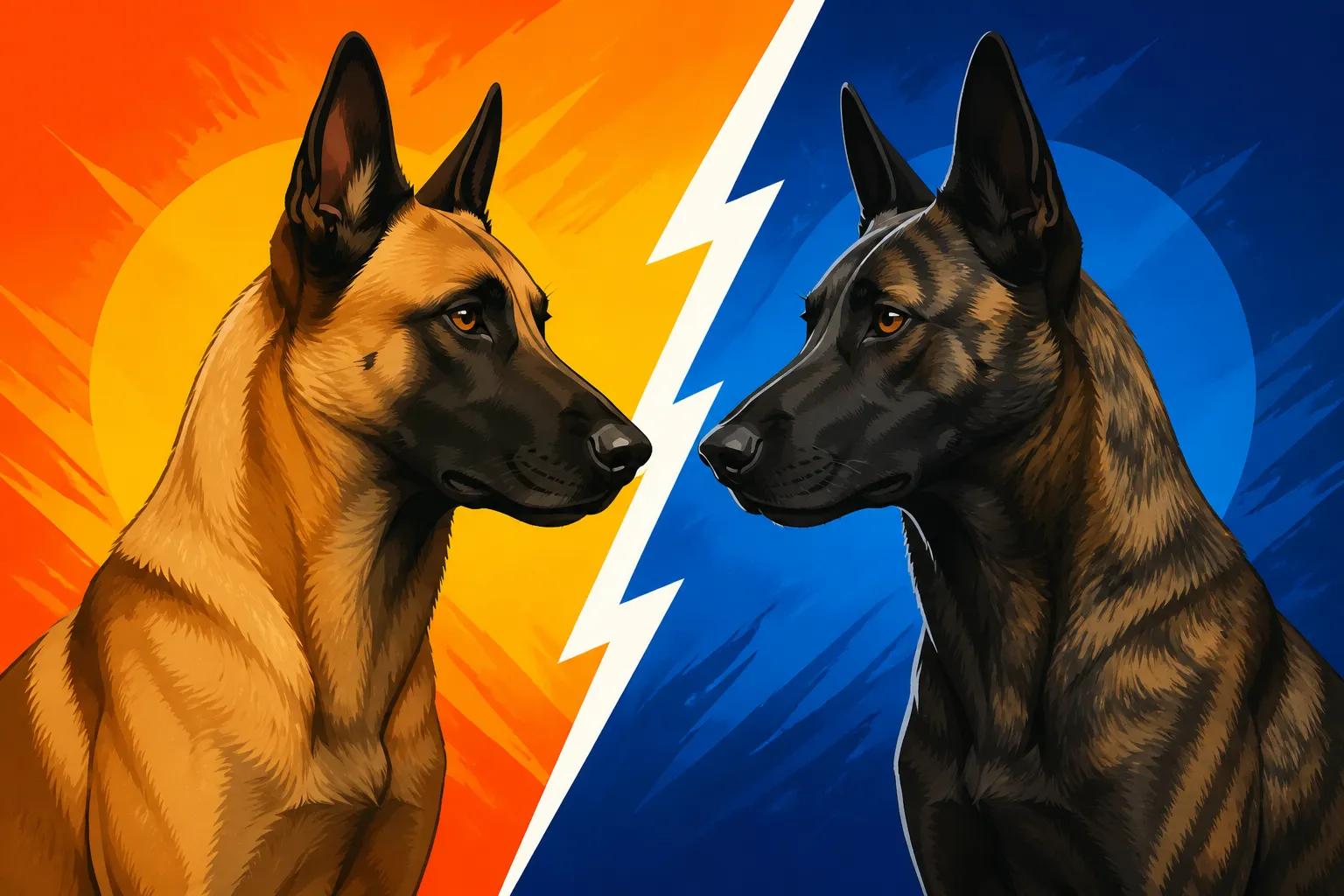
The Belgian Malinois typically presents a very square, well-balanced outline. They are athletic and agile, with an appearance that screams "form follows function." Their coat is consistently short and straight, with a dense undercoat, usually fawn to mahogany in color, often with a distinct black overlay and, crucially, a very prominent black mask. This mask is a hallmark of the breed and contributes significantly to their intense, alert expression. You won't find a long-haired or wire-haired Malinois in a purebred line, as these traits would place them into other Belgian Shepherd varieties.
Their heads are refined but strong, with prick ears that are typically quite erect and triangular, set high on the head. The eyes are almond-shaped and dark, conveying intelligence and vigilance. When you look at a Malinois, you're seeing a dog bred for explosive speed, quick changes in direction, and endurance. Their lighter bone structure compared to some other working breeds, like the German Shepherd, contributes to their renowned agility and jumping prowess. The Height Limits a Belgian Malinois Is Judged Against talks more about the breed standard specifics for their build. This lean, muscular physique allows them to excel in high-impact sports and physically demanding police or military roles.
Dutch Shepherd: Varied Coats and Build
The Dutch Shepherd offers a wider range of physical presentations, primarily due to its three accepted coat types: short-haired, long-haired, and wire-haired. However, regardless of coat, they all share the distinctive brindle pattern. This brindle can range from silver brindle to golden brindle, often with black stripes against a lighter base color. It’s this brindle, rather than a black mask, that is the defining coat characteristic of the Dutch Shepherd. A solid fawn Dutch Shepherd without brindle would be atypical for the breed.
In terms of build, Dutch Shepherds are also athletic, medium-sized dogs, but they often carry a slightly heavier bone structure than a Malinois, presenting a more rugged appearance that speaks to their all-around farm dog heritage. Their head shape can be a bit broader, and while their ears are also typically erect, their overall facial expression might appear slightly less "fine-boned" than a Malinois. The body is well-muscled and powerful, designed for stamina and strength rather than pure explosive speed. This breed often exhibits a more robust frame, capable of enduring varied tasks and environments without showing the same refined 'sporting' outline as the Malinois. Their versatility in coat types also allowed them to adapt to various climates and working conditions, from the open fields to dense woodlands, maintaining their utility regardless of the specific environmental demands.
| Feature | Belgian Malinois | Dutch Shepherd |
|---|---|---|
| Origin | Malines, Belgium | Netherlands |
| Primary Purpose | Herding, later specialized in police/military/sport | All-around farm dog, herding, guarding |
| Coat Type | Short-haired only | Short-haired, long-haired, wire-haired |
| Coat Color | Fawn to mahogany, black overlay, distinct black mask | Brindle (gold or silver) against a fawn/grey base |
| Build | Lean, athletic, often more refined/square | Muscular, slightly more rugged/heavier bone |
| Expression | Intense, alert, keen | Alert, intelligent, sometimes perceived as calmer |
| Global Fame | Highly recognized in military/police/sport | Less globally known, strong working dog following |
Temperament and Drive: Intensity with Nuance
This is where the rubber truly meets the road for prospective owners. Both breeds are renowned for their high drive and intelligence, but the flavor of that intensity can be quite different, impacting how they integrate into a home and respond to training.
The Malinois's Unrelenting Drive and Focus
The Belgian Malinois is often described as "always on." They possess an incredible, almost insatiable, drive that manifests as boundless energy, intense focus, and a profound need for a "job." This isn't just a desire for exercise; it's a mental and physical requirement for purposeful engagement. A Malinois isn't content with just a walk around the block; they need to work, to think, to solve problems, and to exhaust both their bodies and minds. This can be a huge source of frustration for owners who underestimate their needs. Many people discover that Why Walks Alone Do Nothing for a Belgian Malinois is a stark reality.
Their temperament is typically confident, highly alert, and extremely sensitive to their environment. They form deep bonds with their primary handler and are fiercely loyal. However, this intensity can also translate into neurotic behaviors if not properly managed. Without an outlet for their drive, a Malinois can become destructive, anxious, and vocal. They can develop obsessive tendencies, resource guarding, or reactivity if their mental and physical needs are not met daily. They thrive on structure and consistency, and their drive makes them incredibly trainable, but it also means they will constantly push boundaries and test their environment for challenges. Their prey drive is often very high, making them unsuitable for homes with small, fast-moving pets without extensive, careful socialization. It's truly like having a focused athlete living in your house, one who expects to train and perform every single day.
Dutch Shepherd's Tenacity and Versatility
The Dutch Shepherd also boasts immense drive and intelligence, but many describe it as having a slightly more "off-switch" than the Malinois, at least when their needs are met. This isn't to say they are low-energy; quite the opposite. Dutch Shepherds are tenacious, highly intelligent, and incredibly capable working dogs. Their drive is often characterized by a strong desire to please their handler and a remarkable adaptability, reflecting their original purpose as an all-around farm dog. They can switch from intense focus in a training session to a relatively calmer demeanor in the home, provided they've had sufficient mental and physical stimulation.
Like the Malinois, Dutch Shepherds are loyal and form strong bonds with their families. They are confident, watchful, and possess a natural protective instinct. However, this protective nature, combined with their intelligence and working drive, means they need clear leadership and early socialization. If left to their own devices, they can become aloof with strangers or overly protective of their territory. Their versatility makes them excel in a wide range of activities, from herding and obedience to protection sports and detection work. They possess a keen problem-solving ability and are often highly attuned to their handler's emotions and intentions, making them fantastic partners for experienced handlers. While they might not always have the same raw, explosive intensity as a Malinois, their mental fortitude and unwavering determination are equally impressive.
Training and Work Ethic: Unlocking Their Potential
Both the Malinois and the Dutch Shepherd are incredibly intelligent and eager to work, making them a joy for experienced trainers. However, their unique drives and sensitivities mean that training approaches, while fundamentally similar in principles, might need different emphases.
Malinois: The Sport and Service Powerhouse
Training a Belgian Malinois is an intense, ongoing commitment that requires consistency, clarity, and an understanding of high-drive dogs. Their intelligence is off the charts, but it's often paired with a strong will and an independent streak. They learn new commands at lightning speed, sometimes seeming to anticipate your next move. This makes them absolute powerhouses in dog sports like IGP (formerly IPO or Schutzhund), Ring sports, and agility, where their speed, precision, and drive are unparalleled. They are also the breed of choice for many police and military organizations due to their courage, bite work capability, and unwavering focus under pressure. What Bite Sport Actually Asks of a Belgian Malinois highlights the dedication involved.
The key to successful Malinois training is to harness their natural drives rather than trying to suppress them. Their immense prey drive, for example, can be channeled into focused tug games or retrieve work, turning a potential distraction into a powerful training motivator. They respond exceptionally well to positive reinforcement coupled with clear boundaries and fair, consistent corrections when necessary. What they absolutely cannot tolerate is inconsistency or boredom. An under-trained or under-stimulated Malinois will invent its own "jobs," which often involve destroying your house or yard. Owners must be prepared to provide at least two hours of structured, mentally stimulating work daily, not just physical exercise. This might involve advanced obedience, scent work, or protection training with a reputable club. Ignoring this need is a recipe for disaster and is a primary reason Why So Many Belgian Malinois Are Rehomed.
Dutch Shepherd: Herding Legacy, Modern Adaptability
The Dutch Shepherd's training journey is equally rewarding, though it might differ slightly in approach compared to a Malinois. Their historical role as an all-around farm dog means they possess a remarkable balance of herding instinct, guarding prowess, and general obedience. They are highly intelligent and eager to please, making them quick learners in a variety of disciplines. While they excel in protection sports and competitive obedience, they are often noted for their aptitude in herding trials and search and rescue work, leveraging their keen noses and problem-solving skills. Starting Scent Detection With a Belgian Malinois shares many transferable principles for Dutch Shepherds.
Training a Dutch Shepherd benefits greatly from early and consistent socialization, given their natural protective instincts. They need to learn how to appropriately interact with strangers and other dogs from a young age to prevent potential aloofness or reactivity. Their tenacity means they are persistent problem solvers, which is fantastic for complex tasks but can also make them stubborn if they don't understand what's being asked of them or if they perceive an inconsistency. They respond well to handlers who are calm, confident, and fair, using clear communication and positive reinforcement. While they possess incredible drive, many Dutch Shepherd owners report that their dogs have a somewhat easier "off-switch" at home compared to some Malinois, provided they've had their physical and mental needs adequately met. This isn't a universal truth, but it's a common observation, suggesting their drive can be channeled and satisfied in a way that allows for more settled downtime.
Living with Either Breed: Home Life and Ownership Challenges
Bringing either a Belgian Malinois or a Dutch Shepherd into your home is not a decision to be taken lightly. These aren't your typical "pet" dogs; they are high-octane working animals that require a significant commitment of time, energy, and resources. They thrive in environments where they have a clear role and consistent structure.
The Malinois in a Family Setting
Living with a Belgian Malinois is an adventure, a constant exercise in management, and a testament to your dedication. They are highly attached to their families, often forming a particularly strong bond with one primary handler. This intense loyalty can make them excellent family protectors, but it also means they need extensive socialization to ensure they are comfortable and appropriate with visitors and strangers. For homes with children, the Malinois's high prey drive and mouthiness (especially as puppies, known as The Shark Phase Every Malinois Puppy Goes Through) require constant supervision and clear boundaries. They can be wonderful with children they've grown up with, but their intensity means they are not a breed that can be left unsupervised with small kids.
One of the biggest challenges is their sheer energy and mental stimulation needs. If you work a full-time job outside the home, providing the two hours of dedicated, structured exercise and mental work they need daily can feel like a second job. An under-stimulated Malinois will turn into a destructive force of nature, tearing up furniture, chewing through walls, and generally making your life miserable. They need a secure yard with Fencing That a Belgian Malinois Cannot Clear, as their athleticism and problem-solving skills make them escape artists. When considering food, a high-performance kibble is usually necessary, and you might find yourself exploring options on platforms like Chewy to ensure you get the right nutrition to fuel their endless drive. They are definitely not suited for apartment living unless you have an extraordinary routine planned that involves extensive daily excursions to working dog clubs or large, secure training grounds.
The Dutch Shepherd's Domestic Needs
The Dutch Shepherd also presents a significant commitment for home life, sharing many of the same demands as the Malinois due to their high drive and intelligence. They are incredibly loyal and protective of their families, making them excellent guardians. However, like the Malinois, this protective instinct means early and continuous socialization is paramount. They need to learn what is a genuine threat and what is just the mail carrier. When it comes to children, again, supervision is key, especially with their herding instincts, which might lead them to "manage" children with nudges or nips if not properly guided.
While some Dutch Shepherd owners report a slightly more relaxed demeanor indoors compared to Malinois, this is conditional on their exercise and mental stimulation needs being thoroughly met. They still require substantial daily work—not just physical exercise, but mental challenges like obedience, nose work, or puzzle toys. Durable toys are a must, and many owners find themselves restocking tough chew toys from places like Chewy frequently. Secure containment is equally important; a Dutch Shepherd's athleticism and intelligence mean they can scale fences or figure out latches with surprising ease. They are fantastic companions for active individuals or families who are willing to integrate their dog into a highly structured, engaged lifestyle. For those without prior experience with high-drive working breeds, the Dutch Shepherd, like the Malinois, can be an overwhelming handful. They are not a dog for the faint of heart or those seeking a low-maintenance companion.
Health and Lifespan: Common Concerns and Breed-Specifics
Both Belgian Malinois and Dutch Shepherds are generally robust and healthy breeds, known for their athleticism and longevity compared to some other large working dogs. However, like all breeds, they have predispositions to certain genetic health issues that responsible breeders screen for. Understanding these can help you better prepare for potential health challenges and ensure your dog receives the best care throughout its life.
Malinois Health Considerations
Belgian Malinois are known for being quite healthy, often living into their early teens. The Fourteen to Sixteen Years a Belgian Malinois Lives highlights their impressive lifespan. However, there are several health concerns that prospective owners should be aware of. Hip and elbow dysplasia are relatively common in large, active breeds, and Malinois are no exception. Responsible breeders will conduct OFA (Orthopedic Foundation for Animals) or PennHIP evaluations on their breeding stock to minimize the risk of passing on these conditions. The Hip and Elbow Numbers Behind a Malinois Clearance provides insight into these screenings. Eye conditions, such as progressive retinal atrophy (PRA) and cataracts, can also occur, so annual eye certifications (CERF exams) are advisable.
Another significant concern in the Malinois breed is epilepsy, a neurological disorder that can manifest as recurrent seizures. This is a condition that can be heartbreaking to manage, and while genetics play a role, its inheritance is complex. The Seizure Disorder Running in Malinois Lines explores this further. Hypothyroidism and certain types of cancer, such as hemangiosarcoma (a rapidly spreading cancer of the blood vessel walls that can cause The Bleeding Tumor That Kills an Older Malinois), are also seen in the breed. Due to their high-energy nature and demanding physical activities, injuries like torn cruciates are also a consideration, especially for dogs involved in bite work or agility. Maintaining a lean body condition and providing appropriate warm-ups and cool-downs for training sessions are crucial preventive measures.
Dutch Shepherd Health Considerations
Dutch Shepherds also boast a generally healthy constitution and a respectable lifespan, often living 11-14 years. They share some health predispositions with the Malinois, particularly concerning joint health. Hip and elbow dysplasia are conditions that ethical Dutch Shepherd breeders actively screen for. Genetic testing for these orthopedic issues is just as critical for this breed to ensure the health of future generations.
Beyond joint issues, one of the more notable breed-specific concerns in Dutch Shepherds is Spongy Degeneration with Cerebellar Ataxia (SDCA1 and SDCA2). This is a severe neurological condition that affects coordination and can be debilitating. Fortunately, DNA tests are available for these specific ataxia genes, allowing breeders to screen their dogs and make informed breeding decisions to avoid producing affected puppies. Testing a Belgian Malinois for SDCA1 and SDCA2 offers comparable information on how such genetic tests work, which applies to Dutch Shepherds as well. Hypothyroidism, which can affect metabolism and energy levels, is also seen in the breed. Like the Malinois, Dutch Shepherds are prone to injuries from their active lifestyles, so careful conditioning, proper training techniques, and regular veterinary check-ups are essential to keep them sound. Owners should also be mindful of potential stomach issues like bloat (gastric dilatation-volvulus), as it can affect active, deep-chested breeds, including the Dutch Shepherd.
Making the Right Choice: Which Breed Suits You?
Deciding between a Belgian Malinois and a Dutch Shepherd is less about which breed is "better" and more about which breed is the right fit for your lifestyle, experience level, and commitment. Both are extraordinary working dogs that thrive on purpose and partnership, but they demand a specific kind of owner.
Assessing Your Readiness for a High-Drive Dog
Before you even consider either of these breeds, you need to be brutally honest with yourself about your experience with high-drive dogs. If your previous experience is limited to more placid or biddable breeds, you might find yourself completely overwhelmed. These aren't dogs you can casually train or occasionally exercise. They require an owner who understands drive, who can channel it effectively, and who is prepared for a long-term commitment to active training and management. Why a Belgian Malinois Is the Wrong First Dog provides critical insights that apply broadly to both breeds.
You need to ask yourself:
- Do I have at least 2-3 hours daily to dedicate to structured physical and mental exercise? This isn't just letting them out in the yard; this means training sessions, runs, bikejoring, intense fetch, or protection work.
- Am I willing to join a working dog club and commit to regular training? This is often essential for providing the right outlet and expert guidance.
- Is my home environment secure? High fences, secure crates, and appropriate management are non-negotiable.
- Am I prepared for the financial commitment? High-quality food (which you can often find from vendors like Chewy), potential vet bills for injuries, and training fees add up quickly.
- Do I have the mental fortitude to handle a dog that will constantly test boundaries and challenge you? They are intelligent and will seek out weaknesses in your leadership.
If you answered "no" or "maybe" to several of these, it's a strong indicator that neither the Malinois nor the Dutch Shepherd is the right choice for you at this time. There's no shame in admitting that; it's responsible ownership.
Finding Your Perfect Partner
If you've honestly assessed your readiness and are genuinely prepared for the challenges and immense rewards these breeds offer, then the choice might come down to subtle preferences in temperament and desired activities.
- Choose a Malinois if: You are seeking a partner for high-level protection sports (like IGP or Ring Sports), advanced obedience, or competitive agility where explosive speed and unparalleled focus are paramount. You thrive on intense, constant engagement and are prepared for a dog that rarely has an "off switch" during its prime. You appreciate a dog that pushes you to be your best, always. You have a very specific "job" in mind for them.
- Choose a Dutch Shepherd if: You appreciate a highly versatile working dog with incredible tenacity and problem-solving abilities, capable of excelling in herding, protection, scent detection, and obedience. You might value a dog that, while equally driven, perhaps offers a slightly easier transition to "home mode" once its working needs are met. You are drawn to their rugged good looks and their deep loyalty, along with their adaptable nature.
Ultimately, both breeds offer an unparalleled partnership for the right handler. They are intelligent, loyal, and capable of incredible feats. But they demand an owner who is just as driven, intelligent, and dedicated as they are. Doing your homework, talking to experienced breeders and handlers, and spending time with adult dogs of both breeds are crucial steps before making such a significant, life-altering decision.
Disclaimer
This article is for general informational purposes only and does not constitute professional advice. Laws, prices and regulations vary by location and change over time. Consult a qualified professional for guidance on your specific situation.