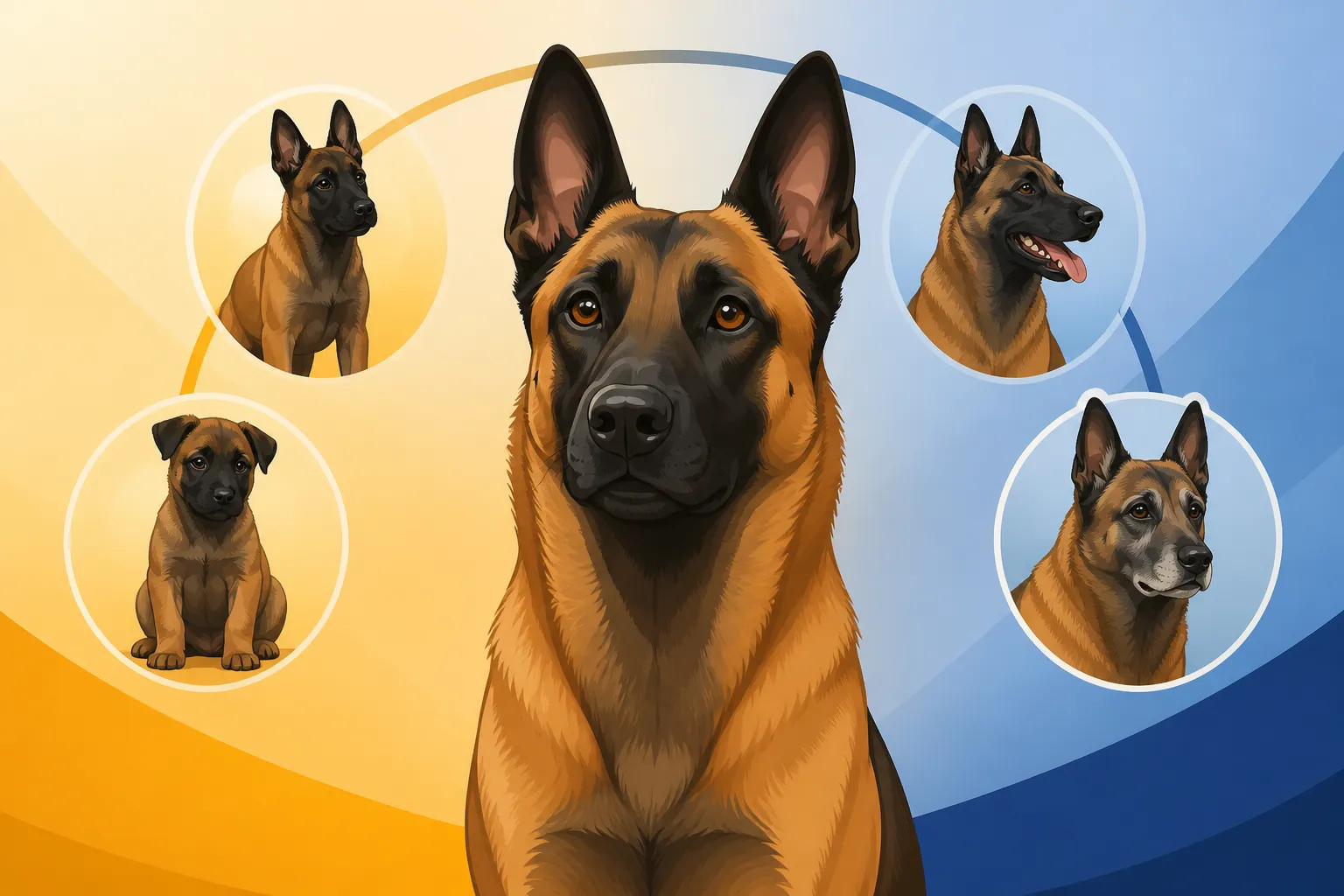
The Fourteen to Sixteen Years a Belgian Malinois Lives
One of the most common worries for any devoted dog owner is how long we'll have with our beloved companions. When it comes to a Belgian Malinois, a breed renowned for its intense drive and incredible athleticism, many people wonder if such a high-octane lifestyle might shorten their years. This comprehensive guide is here to shed light on the typical lifespan of a Belgian Malinois, delving into the many factors that can influence how long these magnificent dogs grace our lives, and what we can do to maximize their health and happiness through every stage.
Understanding the Typical Lifespan of a Belgian Malinois
It's a common question, and one that carries a lot of weight for those of us who share our lives with these incredible dogs: how many years can I expect with my Belgian Malinois? Generally speaking, a Belgian Malinois can live anywhere from 12 to 14 years, with some living a bit shorter and others pushing past the 15 or even 16-year mark. This range puts them on the higher end for a medium-to-large breed, which is often a pleasant surprise to new owners given their extreme energy levels.
When you bring a Malinois into your home, you're not just getting a pet; you're getting a partner, an athlete, and a shadow that will stick by you through thick and thin. Knowing that you could potentially have over a decade with them is reassuring, but it also underscores the commitment involved. Their longevity isn't a given; it's often a testament to careful breeding, dedicated care, and a proactive approach to their well-being.
The typical span of The Fourteen to Sixteen Years a Belgian Malinois Lives is a beautiful thing, but it's not a static number written in stone. It's an average, an estimation based on a multitude of factors, each playing a critical role. Think of it less as a strict deadline and more as a goalpost, one that we as owners strive to push further and further through informed choices and unwavering dedication.
What the Averages Really Mean
When we talk about an average lifespan, it’s important to understand that this isn't a guaranteed endpoint for every individual dog. An average is a statistical measure that balances out the shorter lives with the longer ones. For a Belgian Malinois, if the average is 12-14 years, it means you'll find dogs who sadly pass away earlier due to unforeseen illnesses or accidents, and you'll find many robust individuals who defy expectations and thrive well into their golden years.
This average also reflects the overall health trends within the breed, influenced by responsible breeding practices, advancements in veterinary medicine, and the increasing awareness among owners about proper nutrition and exercise. It's a snapshot, a benchmark, but your individual dog's journey can, and often will, deviate from it. The goal is always to provide the best possible conditions for your Malinois to live a life that leans towards the longer end of that spectrum.
Understanding the average also helps set realistic expectations, especially when considering the demanding nature of the breed. While they are generally healthy, no breed is immune to health challenges. An average lifespan gives you a general idea of the commitment you're making and helps you prepare for the various stages of their life, from their boisterous puppyhood to their wise senior years.
Factors Contributing to Their Longevity
The impressive lifespan of a Belgian Malinois is a mosaic of many contributing factors. Genetics, first and foremost, lays the groundwork. A dog from healthy, long-lived lines with parents who underwent comprehensive health clearances is already off to a better start. But genetics is only one piece of the puzzle.
Lifestyle plays an enormous role. A Malinois that receives consistent, appropriate exercise and mental stimulation, rather than being cooped up or over-exercised in inappropriate ways, will maintain better physical and mental health. This also includes the quality of their diet, access to fresh water, and the overall emotional stability of their home environment. A stressed Malinois, just like a stressed human, can suffer health consequences.
Preventative veterinary care is another cornerstone. Regular check-ups, vaccinations, parasite prevention, and prompt attention to any emerging health issues can catch problems early, significantly improving outcomes and extending a dog's healthy years. Imagine delaying treatment for a minor infection that then escalates; early intervention is key.
Comparison of Average Lifespans (Approximate)
| Breed | Average Lifespan (Years) | Key Health Considerations |
|---|---|---|
| Belgian Malinois | 12-14 | Hip/Elbow Dysplasia, Eye Conditions, Epilepsy, Bloat, Cancer |
| German Shepherd Dog | 9-13 | Hip/Elbow Dysplasia, Degenerative Myelopathy, Bloat, Cancer |
| Labrador Retriever | 10-12 | Hip/Elbow Dysplasia, Cancer, Obesity, Joint issues |
| Rottweiler | 8-10 | Cancer (Osteosarcoma), Hip/Elbow Dysplasia, Bloat |
| Border Collie | 12-15 | Hip Dysplasia, Collie Eye Anomaly, Epilepsy |
| Australian Shepherd | 13-15 | Hip/Elbow Dysplasia, Eye Anomalies, Epilepsy, Cancer |
| Golden Retriever | 10-12 | Cancer, Hip/Elbow Dysplasia, Subvalvular Aortic Stenosis |
| Boxer | 10-12 | Cancer (Lymphoma, Mast Cell), Cardiomyopathy, Bloat |
This table illustrates that the Malinois generally enjoys a longer lifespan compared to many other working breeds, often on par with or exceeding other active dogs like Border Collies and Australian Shepherds.
Genetics and Breeding: The Foundation of a Long Life
When you're hoping for a long, healthy life with your Belgian Malinois, the journey truly begins before they're even born. The genetic lottery plays a huge part, and this is where responsible breeders shine. They understand that a dog's inherent health, and thus its potential lifespan, is heavily influenced by the genetic blueprint passed down from its parents. Cutting corners in this area can lead to heartbreaking and costly health issues down the line, ultimately impacting how long your Malinois stays sound and active.
It’s not just about getting a "purebred" dog; it's about getting a dog from a line that has been carefully curated for health and temperament over generations. A reputable breeder isn't just trying to produce pretty puppies; they're aiming for robust, functional dogs that embody the best traits of the breed, including its famed longevity. This dedication translates directly into the health prospects of your future companion.
The Importance of Health Clearances
Any conversation about canine longevity, especially in a breed like the Belgian Malinois, must emphasize the critical role of health clearances. These aren't just arbitrary tests; they are crucial diagnostic tools that help breeders make informed decisions about which dogs to breed. Responsible breeders diligently screen their breeding stock for genetic predispositions to common health problems that can plague the breed.
For Malinois, this typically includes hip and elbow evaluations, usually through organizations like the Orthopedic Foundation for Animals (OFA) or PennHIP. These screenings assess the structural integrity of the joints, aiming to reduce the incidence of debilitating conditions like hip and elbow dysplasia, which can severely impact a dog's mobility and quality of life. Without these clearances, you're essentially gambling on your dog's future joint health, a risk that no responsible breeder would take. You can dive deeper into these specifics by learning about The Hip and Elbow Numbers Behind a Malinois Clearance.
Beyond orthopedics, eye certifications from a veterinary ophthalmologist are also vital to screen for inherited eye conditions. Regular eye exams, recorded by the Canine Eye Registry Foundation (CERF) or OFA Eye Certification Registry, help identify issues that could lead to vision impairment or blindness. Additionally, genetic tests for conditions like specific types of ataxia are becoming more common and essential. Knowing that a puppy’s parents have been cleared of these issues provides a significant layer of assurance for their future health.
Avoiding Inherited Conditions
The goal of health clearances is, quite simply, to avoid passing on inherited conditions that can shorten a Malinois’s life or severely diminish its quality. When breeders consistently screen their dogs and only breed animals free of known genetic issues, they are actively working to improve the breed's overall health pool. This responsible approach means fewer puppies will suffer from preventable diseases.
For instance, Belgian Malinois can be prone to certain types of ataxia, a neurological condition affecting coordination. Reputable breeders will test their dogs for The Two Ataxia Genes Belgian Malinois Are Tested For to ensure they are not passing on these debilitating genes. Similarly, conditions like epilepsy, which can be devastating for both dog and owner, can sometimes have a genetic component, and a breeder’s knowledge of their lines' history with seizures is invaluable.
Purchasing a puppy from a breeder who can provide verifiable health clearances for generations of their dogs isn't just about peace of mind; it's a practical investment in your Malinois's long-term health. While no breeder can guarantee a dog will never face a health challenge, those who prioritize genetic health significantly stack the odds in favor of a robust and longer life for your furry family member. It reduces the likelihood of costly and heartbreaking medical interventions down the road, and ensures your Malinois has the best possible start to a full and active life.
Nutrition: Fueling a High-Drive Dog for Years
Just like with elite human athletes, what you put into your Belgian Malinois's body directly impacts their performance, recovery, and ultimately, their longevity. These are not dogs that can thrive on just any generic kibble; their incredibly high metabolism, lean muscle mass, and boundless energy demand a carefully considered nutritional strategy. Skimping on quality or failing to adjust their diet to their activity level can lead to deficiencies, weight issues (yes, even a Malinois can get soft!), and a host of other problems that chip away at their long-term health.
The right diet isn't just about calories; it's about providing the optimal balance of protein, fat, carbohydrates, vitamins, and minerals to support every cell in their active bodies. It's about fueling their muscles for powerful jumps, their brains for intense focus, and their immune systems to ward off illness. Think of their food as high-octane fuel for a precision machine.
Tailoring Diet to Activity Levels
One of the biggest nutritional mistakes owners make with Belgian Malinois is feeding them a static diet regardless of their fluctuating activity levels. A Malinois involved in high-intensity protection sports, agility, or working as a police K9 will have vastly different caloric and nutrient requirements than a Malinois who is primarily a family companion with daily long walks. For some insights, you can explore Feeding a Malinois That Is Never Not in Drive.
Working Malinois often need performance-formula foods that are higher in protein and fat to support sustained energy and muscle repair. These dogs burn through calories at an astonishing rate. If they don't get enough fuel, they can become too thin, leading to a host of health issues, including a weakened immune system and poor recovery from exertion. It's a fine line to walk, ensuring they maintain their The Lean Condition a Belgian Malinois Should Carry without being underweight.
On the flip side, a pet Malinois who isn't performing intense work but still gets regular exercise might quickly become overweight if fed a performance diet. Even a few extra pounds can put undue strain on their joints, increase their risk of developing conditions like diabetes, and significantly shorten their lifespan. It's crucial to assess their body condition regularly – you should be able to easily feel their ribs but not see them prominently – and adjust their The Daily Ration a Working Belgian Malinois Eats as needed. Consulting with a vet or a canine nutritionist is always a good idea to ensure your Malinois is getting exactly what they need for their specific lifestyle.
Supplements for Long-Term Health
While a high-quality, balanced diet should form the cornerstone of your Malinois's nutrition, certain supplements can play a supportive role in promoting long-term health, especially as they age or if they are engaged in demanding work. However, it's vital to remember that supplements are not a substitute for a poor diet, and over-supplementation can be just as harmful as deficiency. Always consult your veterinarian before adding new supplements to your dog's regimen.
Joint supplements, often containing glucosamine, chondroitin, and MSM, are commonly considered for active Malinois or those entering their senior years. These ingredients are believed to support cartilage health and reduce inflammation, potentially delaying the onset or mitigating the severity of age-related arthritis. Given their predisposition to hip and elbow issues, preventative joint care can be incredibly valuable. You can find out more about Joint Supplements for a Working Belgian Malinois.
Omega-3 fatty acids, typically derived from fish oil, are another popular and beneficial supplement. They are known for their anti-inflammatory properties, supporting skin and coat health, cognitive function, and cardiovascular health. For a Malinois, who can sometimes suffer from skin irritations or simply benefit from brain support as they age, omega-3s can be a great addition. Probiotics can also be helpful for maintaining a healthy gut microbiome, which is intrinsically linked to overall immune function and nutrient absorption, especially important for a breed that can sometimes experience stress-related digestive upset.
Exercise and Mental Stimulation: More Than Just a Walk in the Park
It cannot be stressed enough: a Belgian Malinois is not a breed for the faint of heart, or for someone who thinks a couple of casual walks around the block will suffice. These dogs were bred to work, to think, and to move, and denying them appropriate outlets for their immense energy and intelligence isn't just cruel; it's a recipe for disaster that can, ironically, shorten their healthy lifespan. An under-exercised, under-stimulated Malinois is a stressed Malinois, and chronic stress has real physiological consequences.
Think of it this way: their bodies and minds are finely tuned instruments. If those instruments aren't played regularly and correctly, they'll rust, break down, or become utterly unplayable. Their physical prowess needs to be maintained, and their sharp intellect needs constant engagement. This isn't just about preventing destructive behaviors; it's about fostering a robust and resilient dog from nose to tail, contributing directly to their long-term vitality.
Preventing Physical Wear and Tear
While it might seem counterintuitive, an appropriate exercise regimen helps prevent physical wear and tear on a Malinois's body, rather than causing it. Consistent, controlled exercise builds strong muscles, maintains joint flexibility, and supports a healthy cardiovascular system. This includes a balanced mix of activities that work different muscle groups and endurance levels.
However, the key word here is "appropriate." Over-exercising a young puppy, particularly with high-impact activities like jumping or prolonged running on hard surfaces, can damage developing joints and lead to orthopedic problems later in life. Similarly, pushing an older Malinois beyond its physical capabilities can result in injuries or exacerbate existing conditions. The trick is to match the intensity and type of exercise to the dog's age, fitness level, and overall health. For a Malinois, this often means structured activities like obedience training, tracking, agility, or bite work, which provide both physical and mental challenge. For example, Injuries a Bite Sport Belgian Malinois Collects can be common if conditioning isn't handled properly.
Regular, thoughtful exercise ensures muscles support joints effectively, ligaments stay pliable, and bones remain dense. It also helps maintain a healthy weight, which is paramount for joint health. A Malinois that's carrying extra pounds, even a few, puts unnecessary stress on its hips, elbows, and spine, accelerating the onset of arthritis and other degenerative conditions. A well-conditioned Malinois is better equipped to handle the physical demands of its life and is less prone to acute injuries, all contributing to a longer, more comfortable existence.
Keeping Their Minds Sharp as They Age
Physical exercise alone is rarely enough for a Belgian Malinois; their minds crave stimulation just as much as their bodies crave movement. A mentally bored Malinois can become destructive, anxious, or develop obsessive behaviors, all of which contribute to chronic stress and can negatively impact their long-term health and well-being. Keeping their minds sharp throughout their lives is just as important for longevity as physical fitness.
Mental stimulation can take many forms: advanced obedience training, puzzle toys, scent work, tracking, or even learning complex tricks. These activities engage their problem-solving skills, channel their immense focus, and provide a sense of purpose. For a working breed, having a "job" to do, even a simulated one, is intrinsically satisfying and reduces stress. As they age, you might need to adjust the physical demands of the "job," but the mental engagement should remain.
For older Malinois, continuing to engage their minds can help stave off cognitive decline, much like brain games do for humans. Simple training exercises, scent games that don't require much physical exertion, or even just teaching a new, easy trick can keep their neural pathways active. This mental vitality contributes significantly to their overall quality of life and can, in turn, support their physical health, allowing them to remain engaged and happy for more of their The Age a Working Malinois Starts to Slow. A Malinois whose mind is active and fulfilled is generally a happier, healthier dog.
Preventative Veterinary Care: Staying Ahead of the Game
In the quest for a long and vibrant life with your Belgian Malinois, preventative veterinary care isn't just a recommendation; it's a non-negotiable cornerstone. These annual check-ups, routine screenings, and proactive measures are your first line of defense against illnesses that can shorten a dog's life or drastically reduce its quality. Waiting until your Malinois is visibly sick often means the disease has progressed, making treatment more challenging and outcomes less certain.
Think of your vet as your partner in extending your Malinois’s healthy years. They’re not just there for emergencies; they’re there to help you proactively manage their health, identify potential issues before they become major problems, and guide you through the various stages of your dog's life. This proactive approach is particularly crucial for a breed with specific health predispositions and an active lifestyle that can sometimes mask early signs of trouble.
Navigating the costs of this essential care can be a concern for many. This is where pet insurance, like plans offered by Healthy Paws, can be incredibly valuable. While not directly extending life, it empowers you to make medical decisions based on what’s best for your Malinois’s health, rather than solely on your wallet, especially when unexpected emergencies or chronic conditions arise.
Routine Checkups and Screenings
Annual veterinary checkups are far more than just getting booster shots; they are comprehensive health assessments designed to catch subtle changes that might indicate an underlying problem. During these visits, your vet will perform a thorough physical examination, checking everything from their teeth and ears to their heart and lungs. They'll assess their weight and body condition, looking for any signs of being Whether a Belgian Malinois Can Be Too Lean or carrying excess weight.
Bloodwork, often including a complete blood count (CBC) and a chemistry panel, becomes increasingly important as your Malinois ages. This The Bloodwork a Working Malinois Should Have Annually can provide crucial insights into organ function (kidney, liver, pancreas), screen for conditions like diabetes or thyroid imbalances, and detect early signs of infection or inflammation. Catching issues like kidney disease in its earliest stages, when your dog might still appear perfectly healthy, allows for interventions that can significantly slow its progression and extend their comfortable life.
Parasite screening (fecal tests for intestinal parasites, heartworm tests) is also a standard part of routine care. Heartworm disease, in particular, is a silent killer that can severely compromise a Malinois's cardiovascular health and significantly shorten its life if not prevented. Vaccinations, tailored to your dog's lifestyle and local risks, protect against common and potentially deadly infectious diseases. These routine measures are the basic scaffolding upon which a long and healthy life is built.
Managing Common Age-Related Issues
As our beloved Belgian Malinois enter their golden years, typically around 8-10 years old, they become more susceptible to certain age-related health issues. Preventative care then shifts slightly to focus on early detection and management of these conditions, helping to maintain their quality of life for as long as possible. Understanding what to look for, and having a plan with your vet, is key to Keeping a Belgian Malinois Sound Past Twelve.
Arthritis is one of the most common ailments in older dogs, especially active breeds like the Malinois. While not directly life-threatening, severe arthritis can lead to chronic pain, reduced mobility, and a significant drop in quality of life. Your vet can recommend joint supplements, anti-inflammatory medications, physical therapy, or even alternative therapies to manage pain and keep them comfortable. Regular check-ups allow your vet to assess their mobility and catch subtle signs of discomfort early on.
Other common age-related concerns include dental disease, which can lead to pain, infection, and impact organ health; decreased vision or hearing; and a higher risk of certain cancers. For instance, The Cancers That Take a Belgian Malinois can unfortunately become a concern in senior dogs. Regular dental cleanings under anesthesia can prevent severe dental disease. Monitoring for lumps and bumps, and having any suspicious growths aspirated or biopsied promptly, can catch cancer early when treatment is often most effective. Proactive management of these issues is paramount to ensuring your Malinois enjoys their senior years with dignity and minimal discomfort.
Environmental Factors and Lifestyle Choices
Beyond genetics and direct medical care, the environment in which a Belgian Malinois lives and the daily lifestyle choices made by their owners profoundly impact their overall health and lifespan. A Malinois is a sensitive and highly attuned animal, and its physical and emotional surroundings contribute significantly to its well-being. Just as we strive for a healthy living environment for ourselves, we must do the same for our dogs, particularly one as intense and perceptive as a Malinois.
It's easy to focus on the big things like food and vet visits, but the nuances of their daily life – how much stress they encounter, the consistency of their routine, and the safety of their surroundings – are equally crucial. These elements create the foundation for a resilient immune system, a stable mental state, and a body that isn't constantly battling the effects of chronic stress.
The Impact of Stress and Training Intensity
Chronic stress is a silent killer, not just in humans but in dogs too. For a Belgian Malinois, who can be highly sensitive and reactive, prolonged stress can lead to a cascade of negative physiological effects, including a weakened immune system, digestive issues, and even behavioral problems. An environment rife with conflict, instability, or constant overstimulation can take a significant toll on their health over time.
While Malinois thrive on demanding training and a "job," the type and intensity of that training, along with the management of their stress levels, is critical. Over-training, especially without adequate rest and recovery, can lead to burnout, injuries, and a general decline in health. It’s a delicate balance to push them to their potential without pushing them over the edge. Handlers must be attuned to their dog's stress signals and ensure they have ample downtime and appropriate decompression strategies.
For example, a Malinois consistently exposed to high-stress situations without proper counter-conditioning or breaks, or one that lives in a chaotic household, might suffer from chronic low-grade inflammation, which can contribute to various diseases. Even though they are tough dogs, their mental well-being is intrinsically linked to their physical health, directly influencing how many happy, healthy years they have with you.
Creating a Supportive Home Environment
A supportive home environment is paramount for a Belgian Malinois's longevity. This means more than just providing food and shelter; it encompasses physical safety, emotional stability, and consistent routine. These factors contribute to a dog's sense of security and reduce stress, thereby fostering better overall health.
Physically, a safe home means secure fencing that a Malinois cannot easily clear or dig under, preventing escape and potential injury. It means removing hazards like toxic plants, chemicals, or small objects that could be ingested. For those involved in sport, proper crates and transport methods that prevent injury during travel are also important. Access to fresh, clean water at all times is also fundamental, especially for active dogs.
Emotionally, a Malinois thrives on predictability and clear leadership. A stable home with consistent rules, positive reinforcement-based training, and a strong bond with its owner provides the emotional security this sensitive breed needs. This doesn’t mean they don't get ample mental and physical challenges, but those challenges should be delivered within a framework of safety and trust. A dog that feels secure and loved, with its needs met consistently, is far more likely to be a healthy, long-lived dog.
Recognizing the Signs of Aging and Adapting Care
It's a bittersweet truth that even our high-energy Belgian Malinois will eventually slow down. One day, you might notice that they don't quite launch off the ground with the same explosive power, or they take a little longer to get up after a nap. These subtle shifts can be hard to spot, especially in a breed that often maintains a puppy-like enthusiasm well into middle age. However, recognizing these Signs a Belgian Malinois Is Slowing Down early and adapting their care accordingly is crucial for maximizing their comfort and extending their quality of life during their senior years.
Ignoring the signs of aging can lead to unnecessary pain, frustration for your dog, and a quicker decline in their overall well-being. Our role as owners evolves as they age, shifting from managing boundless youthful energy to supporting graceful senior living. This means being more observant, more patient, and more proactive in meeting their changing needs.
Subtle Changes to Watch For
The transition into seniorhood for a Belgian Malinois isn't usually a dramatic overnight event. It's often a gradual process marked by subtle changes that can easily be overlooked if you're not paying close attention. One of the first things you might notice is a slight decrease in their stamina during walks or training sessions. They might not chase the ball quite as long, or they might opt for a nap sooner after an activity.
You might also observe changes in their mobility. Perhaps they are a bit stiffer when they first wake up, or they hesitate before jumping into the car or onto the couch. Watch for changes in gait, like a slight limp or a wobbly movement, which could indicate joint pain or arthritis. Cognitive changes can also occur; they might seem a bit disoriented at times, stare blankly, or even experience changes in their sleep patterns, such as pacing at night.
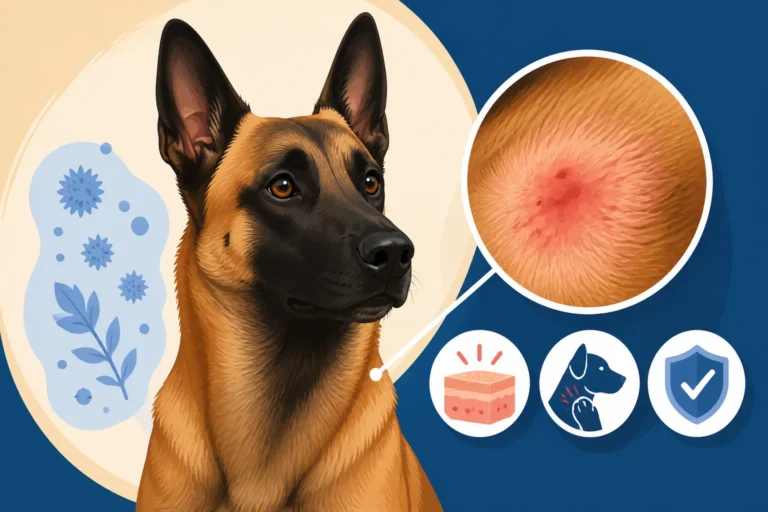
Changes in appetite or thirst, unexplained weight loss or gain, or altered bathroom habits are also important indicators that warrant veterinary attention. Even changes in their coat quality or an increase in skin lumps (which should always be checked by a vet) can be part of the aging process. The key is to acknowledge these shifts as normal parts of aging, but not to dismiss them without assessing if they can be mitigated or managed to improve your dog's comfort.
Adjusting Routines for the Senior Malinois
Once you start noticing the signs of aging, it's time to thoughtfully adjust your Malinois's routine to support their changing needs. This isn't about stopping activity altogether, but rather modifying it to be more appropriate for their capabilities. Instead of one long, intense training session, consider several shorter, less strenuous bursts of activity throughout the day. Replace high-impact games with gentler activities like scent work or leisurely sniffing walks.
Their diet might also need adjustment. As metabolism slows, a senior Malinois might require fewer calories to maintain a healthy weight, or a food formulated for senior dogs that supports joint health and digestion. Maintaining a healthy weight becomes even more critical to reduce strain on aging joints. Soft, comfortable bedding, possibly orthopedic beds, can make a huge difference in their comfort, especially if they have arthritis.
Home modifications can also be beneficial. Ramps can help them access elevated areas like the car or bed without painful jumping. Non-slip rugs on slick floors can prevent slips and falls, which can be devastating for an older dog with decreased balance or strength. Continue to engage their minds with gentle puzzle toys or short training sessions to keep them mentally stimulated. This thoughtful adaptation of their care, rather than a forced decline, allows your Malinois to age gracefully and comfortably, enjoying their golden years to the fullest. For more specific advice, you might want to look at Caring for a Belgian Malinois After Ten.
Common Health Challenges and Their Management
Despite their robust nature and impressive athleticism, Belgian Malinois, like all breeds, are predisposed to certain health challenges. Being aware of these potential issues isn't about fear; it's about preparedness. Understanding the common ailments that can affect them allows you to be proactive in prevention, vigilant in early detection, and informed when seeking treatment. This knowledge can be the difference between catching a problem early when it's most treatable, and dealing with a much more advanced, life-limiting condition.
Some of these conditions are genetic, others are influenced by lifestyle, and some are simply more common in older dogs. Regardless of the cause, prompt and appropriate veterinary care is paramount to managing these challenges and ensuring your Malinois enjoys as long and healthy a life as possible. This is another area where a pet insurance plan from providers like Healthy Paws can truly alleviate the burden of unexpected veterinary expenses, ensuring you can afford the best care for your furry friend without financial stress.
Orthopedic Concerns
Given their active, high-impact lifestyle, orthopedic issues are a primary concern for Belgian Malinois owners. Hip and elbow dysplasia are unfortunately prevalent in many large and active breeds, including the Malinois, even with responsible breeding practices that aim to reduce their incidence. These conditions involve abnormal development of the hip or elbow joints, leading to instability, pain, and eventually arthritis.
The signs of orthopedic problems can vary. In younger dogs, you might notice a subtle limp, reluctance to play or jump, or a "bunny hopping" gait. In older dogs, it often manifests as stiffness, difficulty getting up, or a decrease in activity level. Early diagnosis through X-rays is key. While dysplasia cannot be cured, it can often be managed with a combination of medication, joint supplements, weight management, and physical therapy to improve comfort and slow progression. In some cases, surgical intervention may be recommended.
Beyond dysplasia, Malinois can also be prone to other joint and ligament injuries, especially if they are involved in high-intensity sports. Torn cruciate ligaments, shoulder injuries, and even toe injuries can occur during training or vigorous play. Good conditioning, proper warm-ups, and cool-downs are vital for prevention. Prompt veterinary attention for any lameness or injury is crucial to prevent further damage and ensure a full recovery, allowing your Malinois to get back to their active life.
Internal Organ Health and Cancer Risks
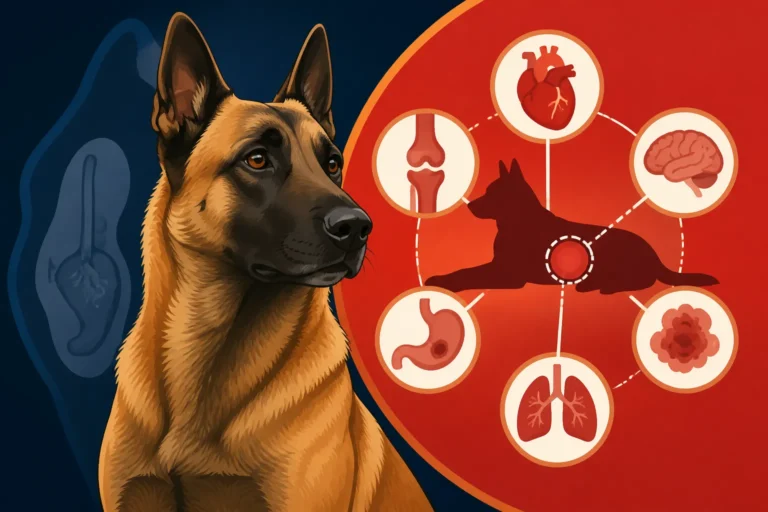
While less outwardly obvious than orthopedic problems, internal organ health is just as critical for a Malinois's longevity. One acute concern for many deep-chested breeds, including the Malinois, is bloat (gastric dilatation-volvulus or GDV). This life-threatening condition occurs when the stomach fills with gas and twists, cutting off blood supply. It's a medical emergency requiring immediate surgical intervention. Owners should be aware of the signs (distended abdomen, unproductive retching, restlessness) and seek immediate veterinary care. You can research Whether Torsion Happens in Belgian Malinois to learn more.
Cancer is another significant health concern that often increases with age across most dog breeds. Unfortunately, Belgian Malinois are not immune. Various types of cancer can affect them, including osteosarcoma (bone cancer), hemangiosarcoma (a cancer of the blood vessels, often affecting the spleen or heart), and lymphoma. Early detection is paramount for the best prognosis. Regular veterinary check-ups, feeling for any new lumps or bumps, and being alert to subtle changes in appetite, energy levels, or weight are vital.
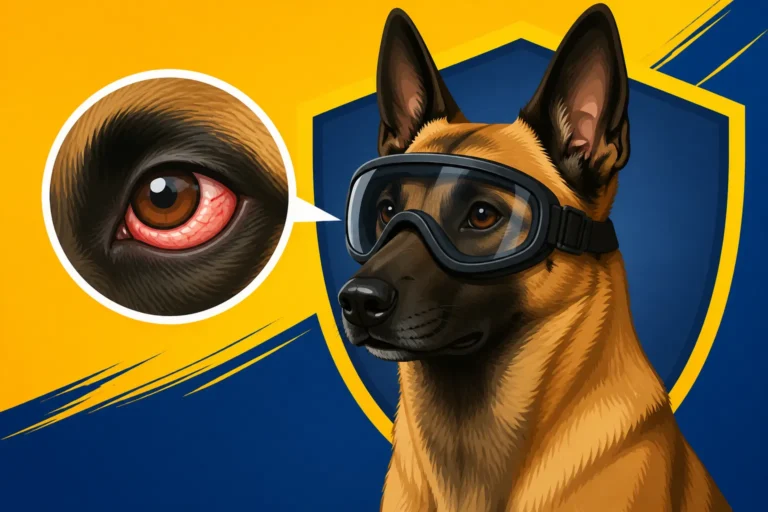
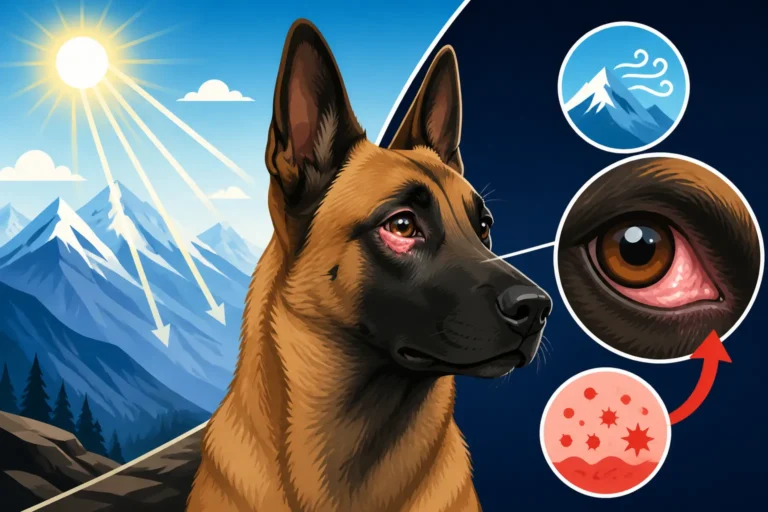
Conditions like epilepsy, a neurological disorder causing seizures, can also affect Belgian Malinois. While often managed with medication, severe or uncontrolled seizures can impact quality of life and, in rare cases, be life-threatening. Understanding The Seizure Disorder Running in Malinois Lines is important. Additionally, eye conditions such as Pannus (Chronic Superficial Keratitis), an immune-mediated disease affecting the cornea, are also seen. While Pannus itself isn't typically life-shortening, if left untreated it can lead to blindness, significantly impacting a dog's quality of life. Daily eye drops, sometimes for life, are often needed. These internal and systemic health issues underscore the importance of regular veterinary monitoring and quick action when any unusual symptoms arise.
Disclaimer
This article is intended for informational purposes only and does not constitute veterinary advice. Always consult with a qualified veterinarian for any health concerns or before making any decisions about your Belgian Malinois's care.